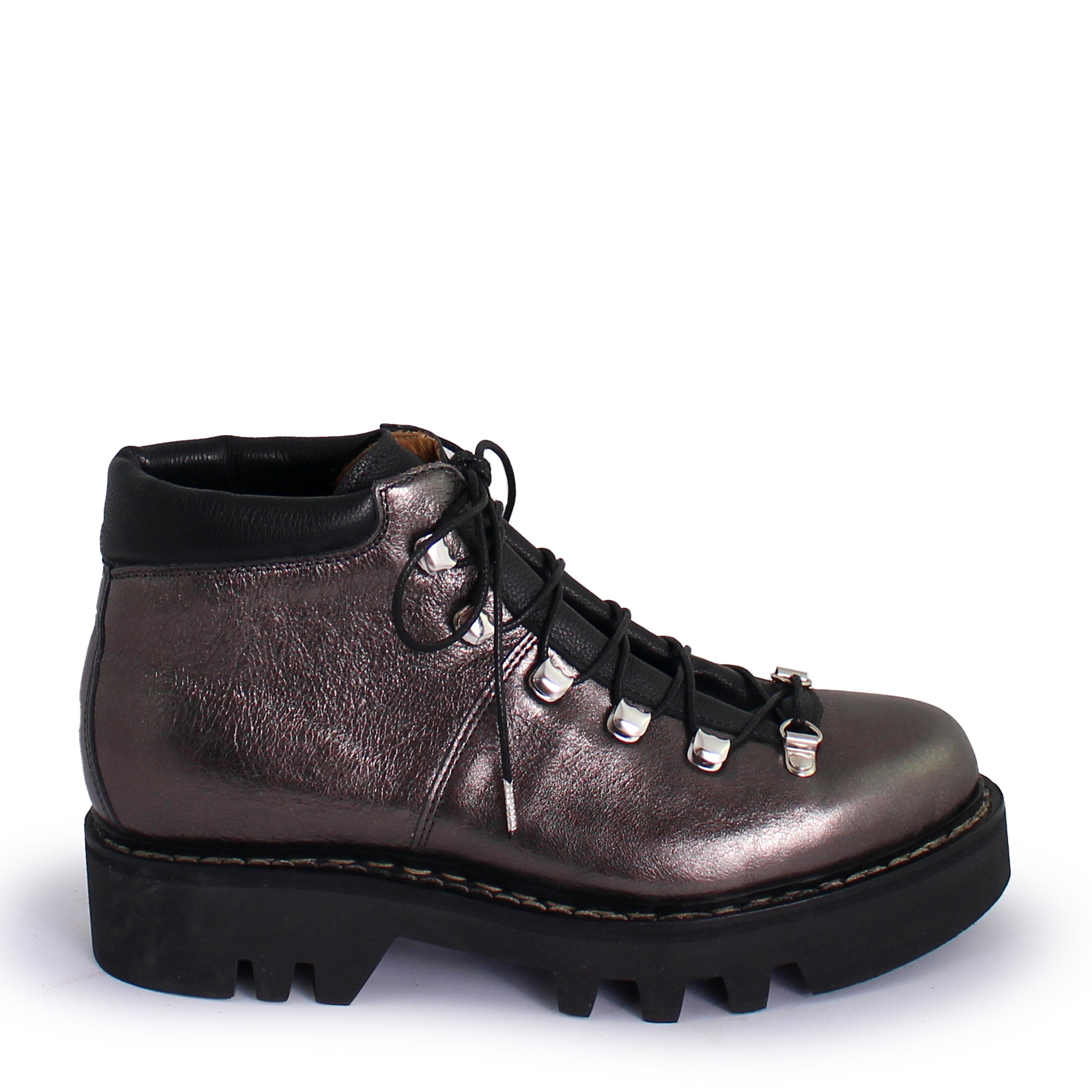
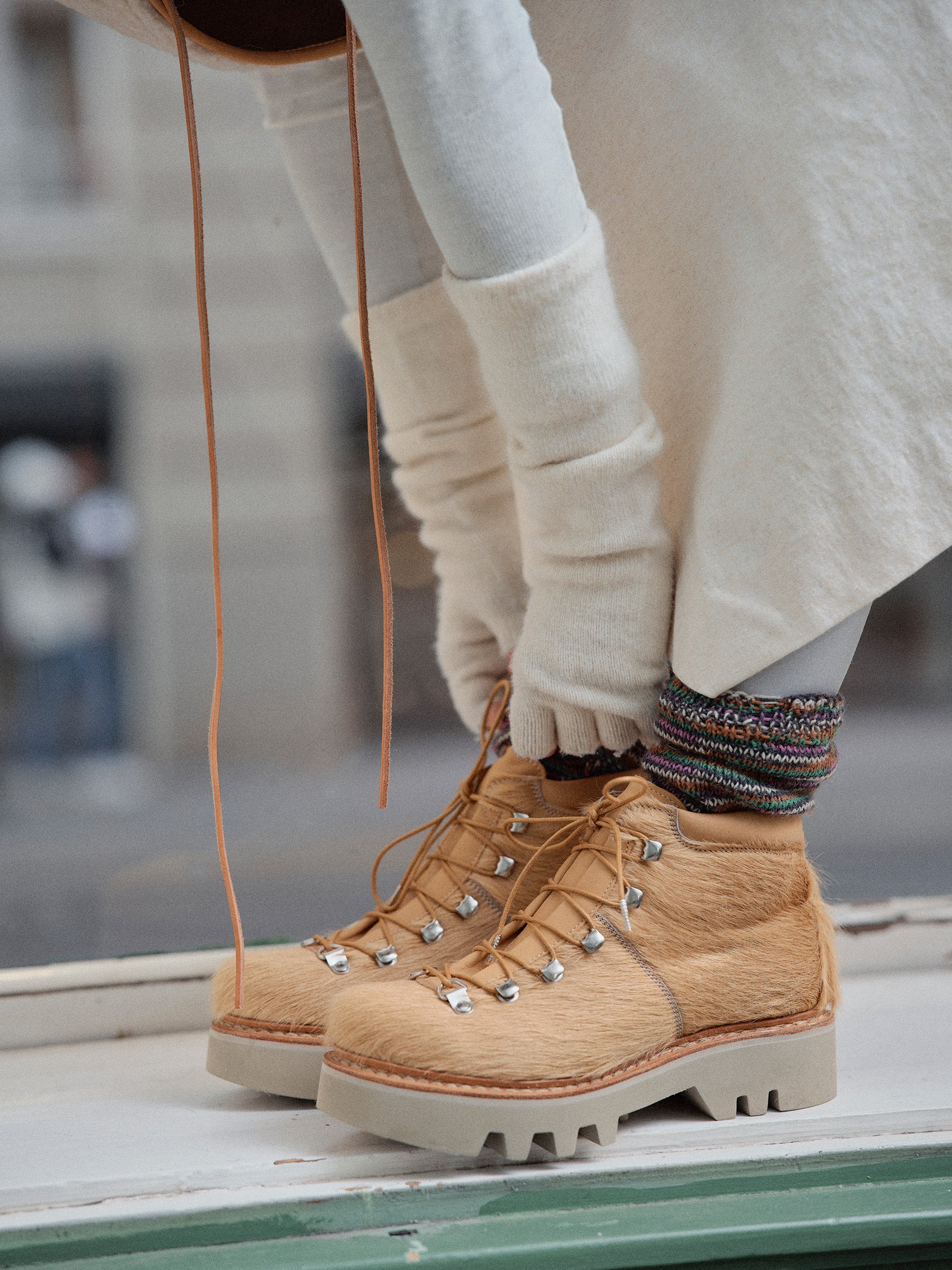
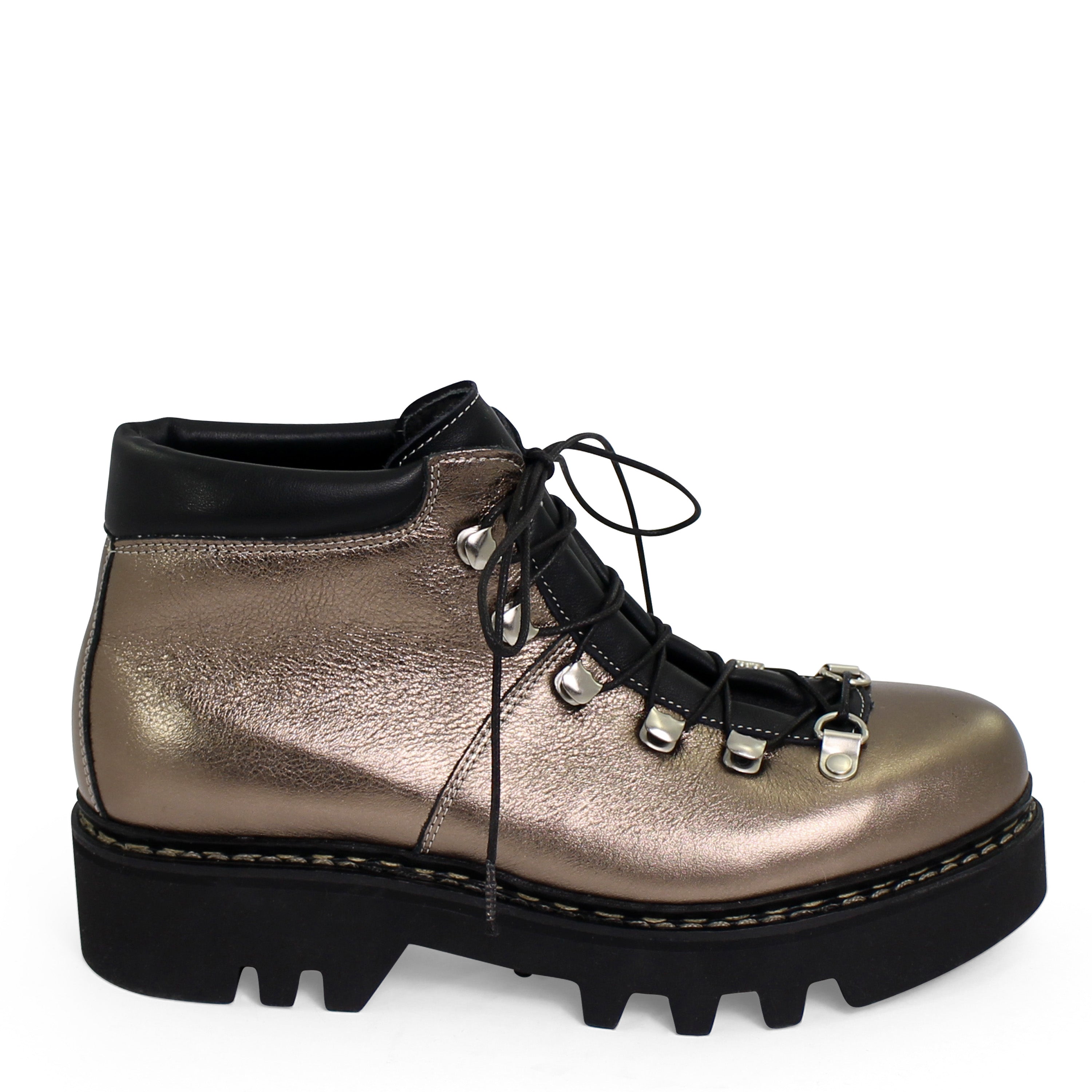
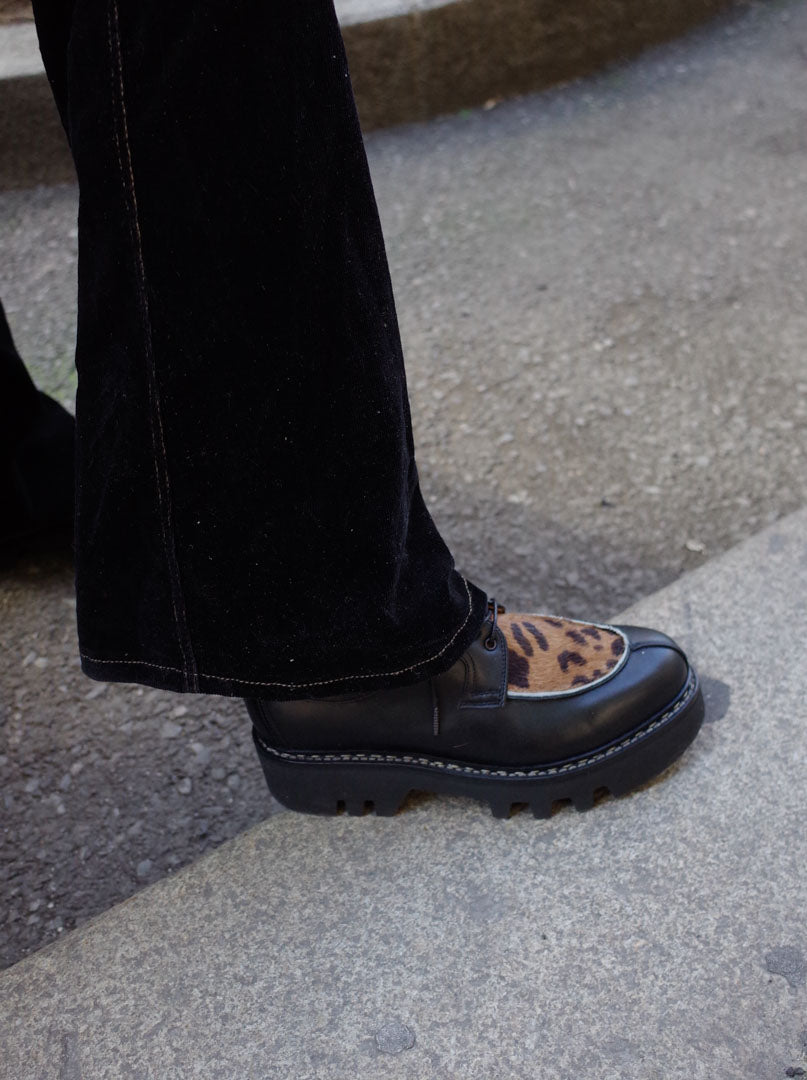
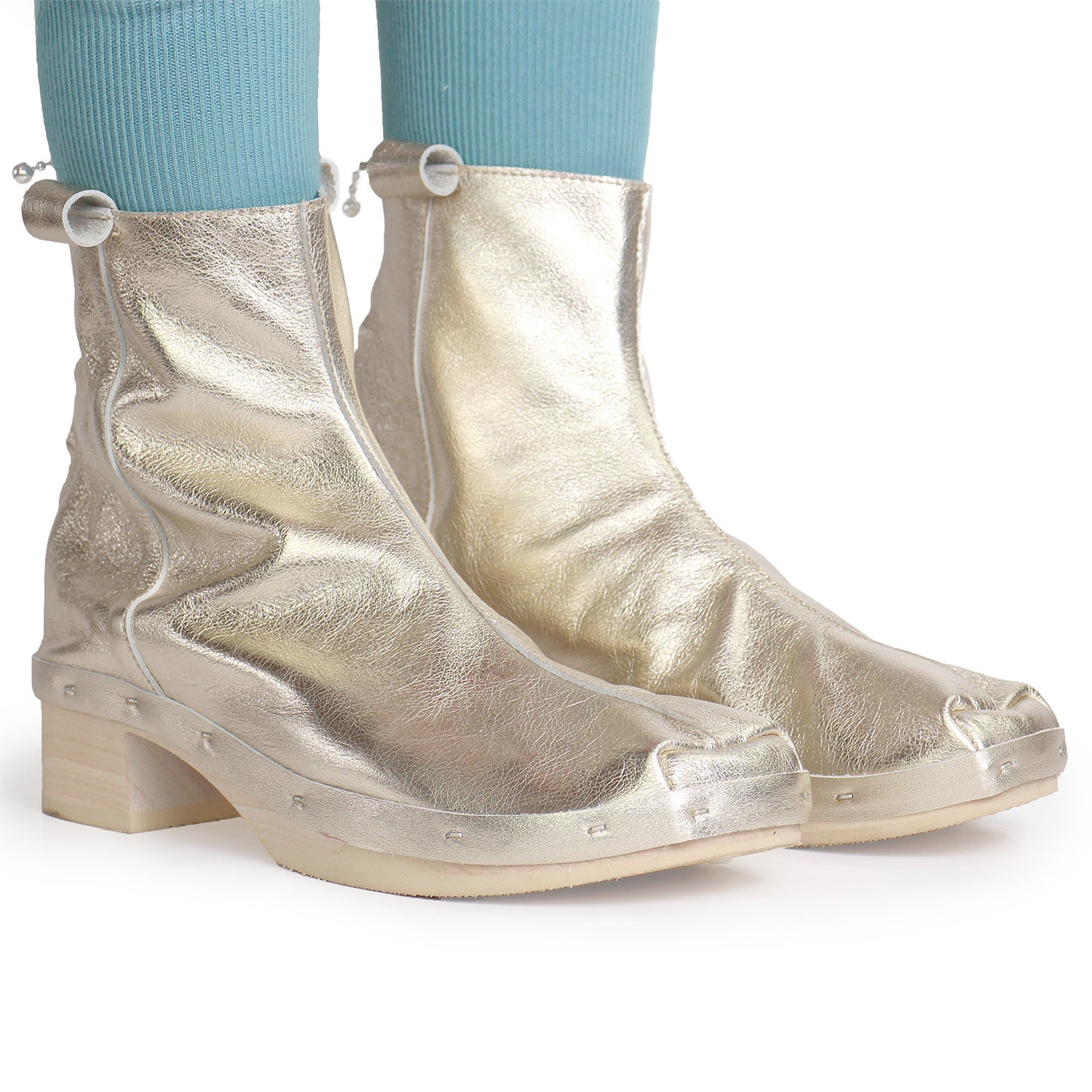
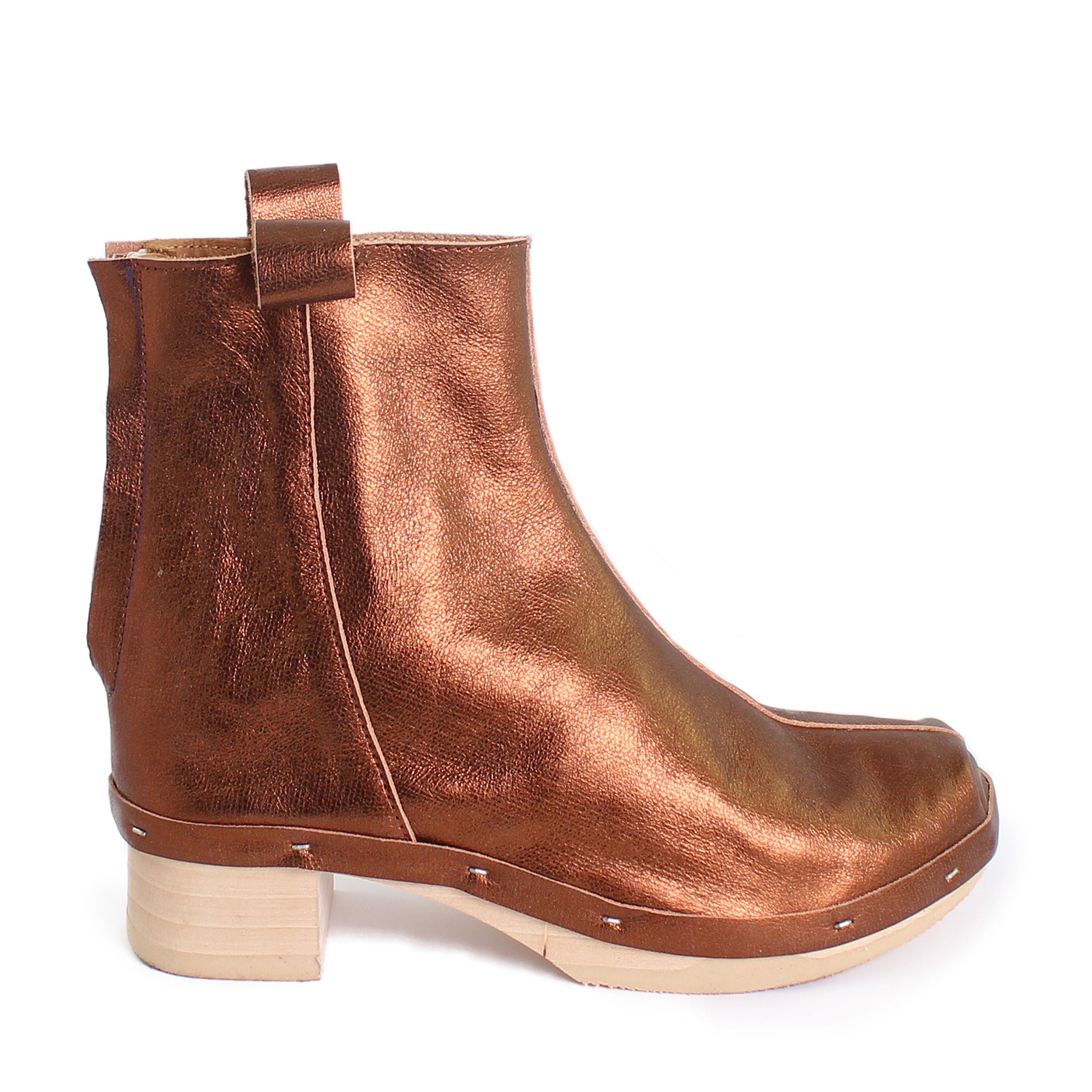
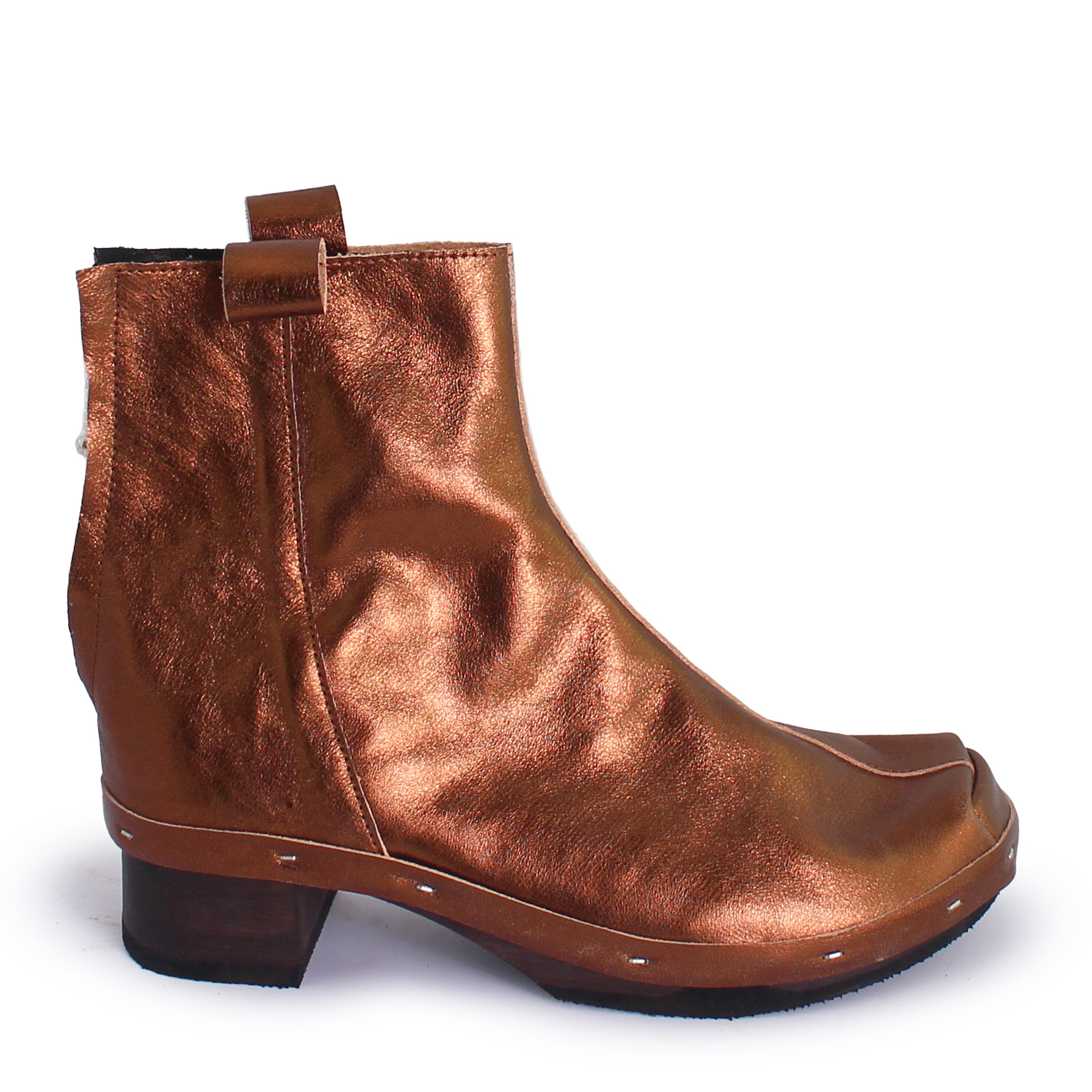
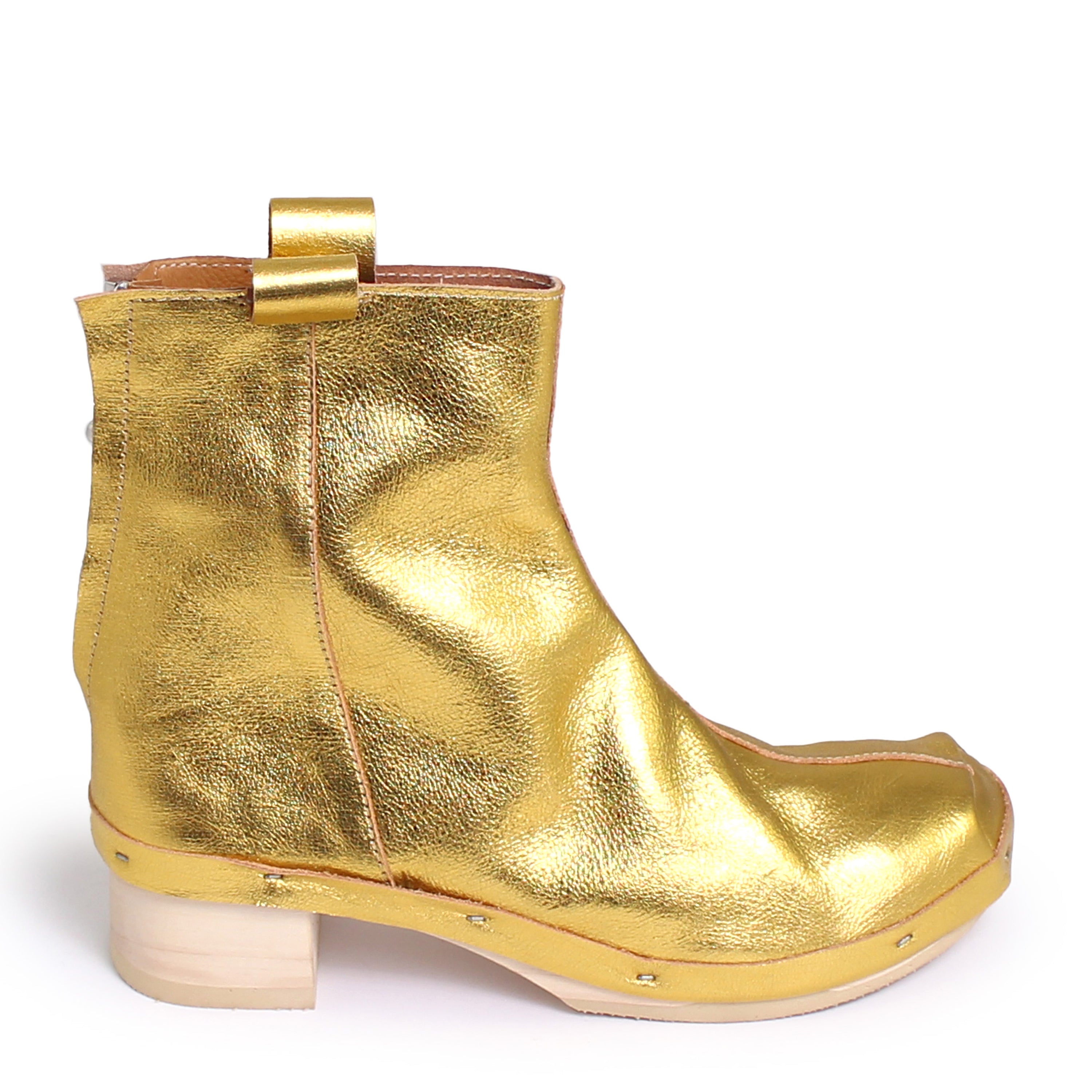
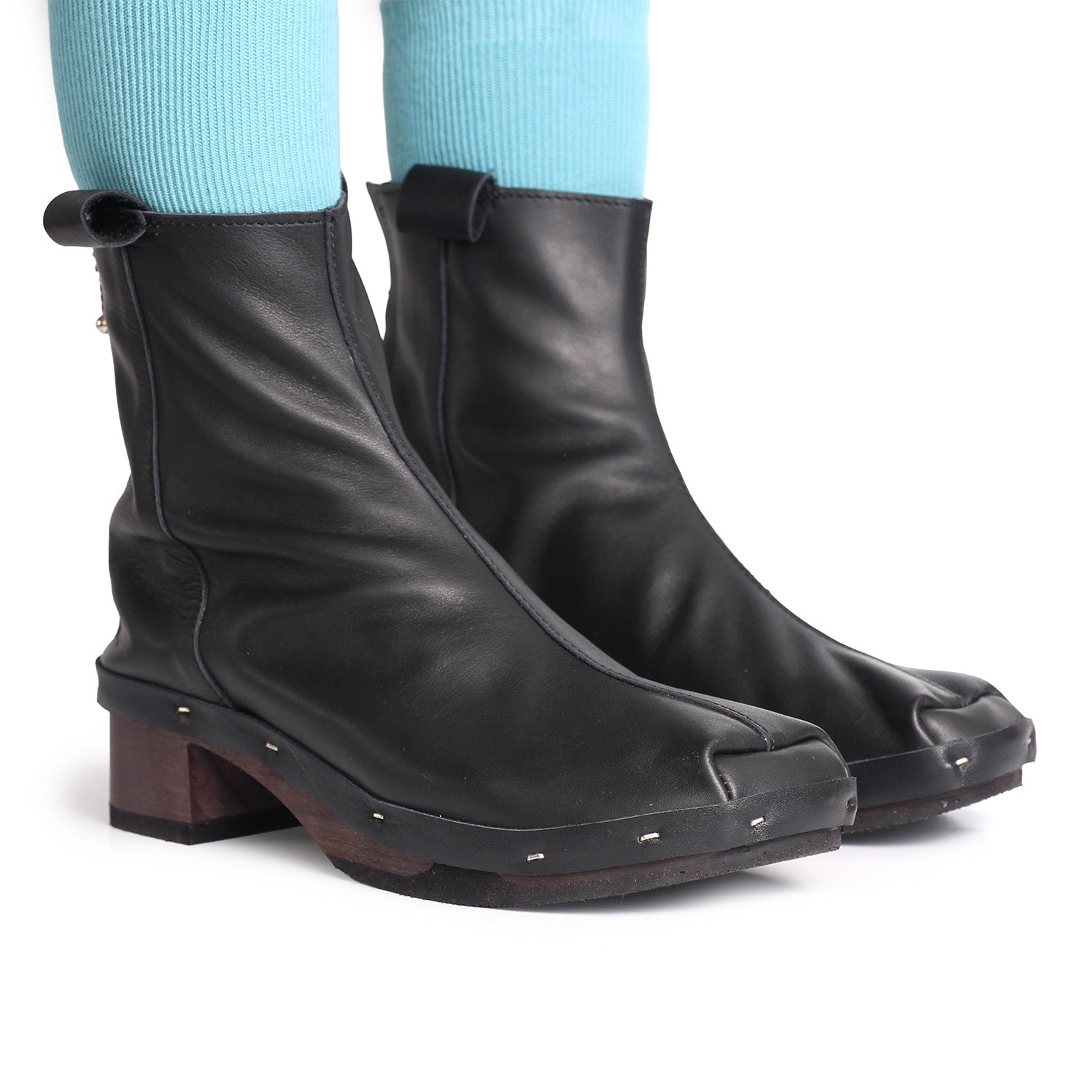
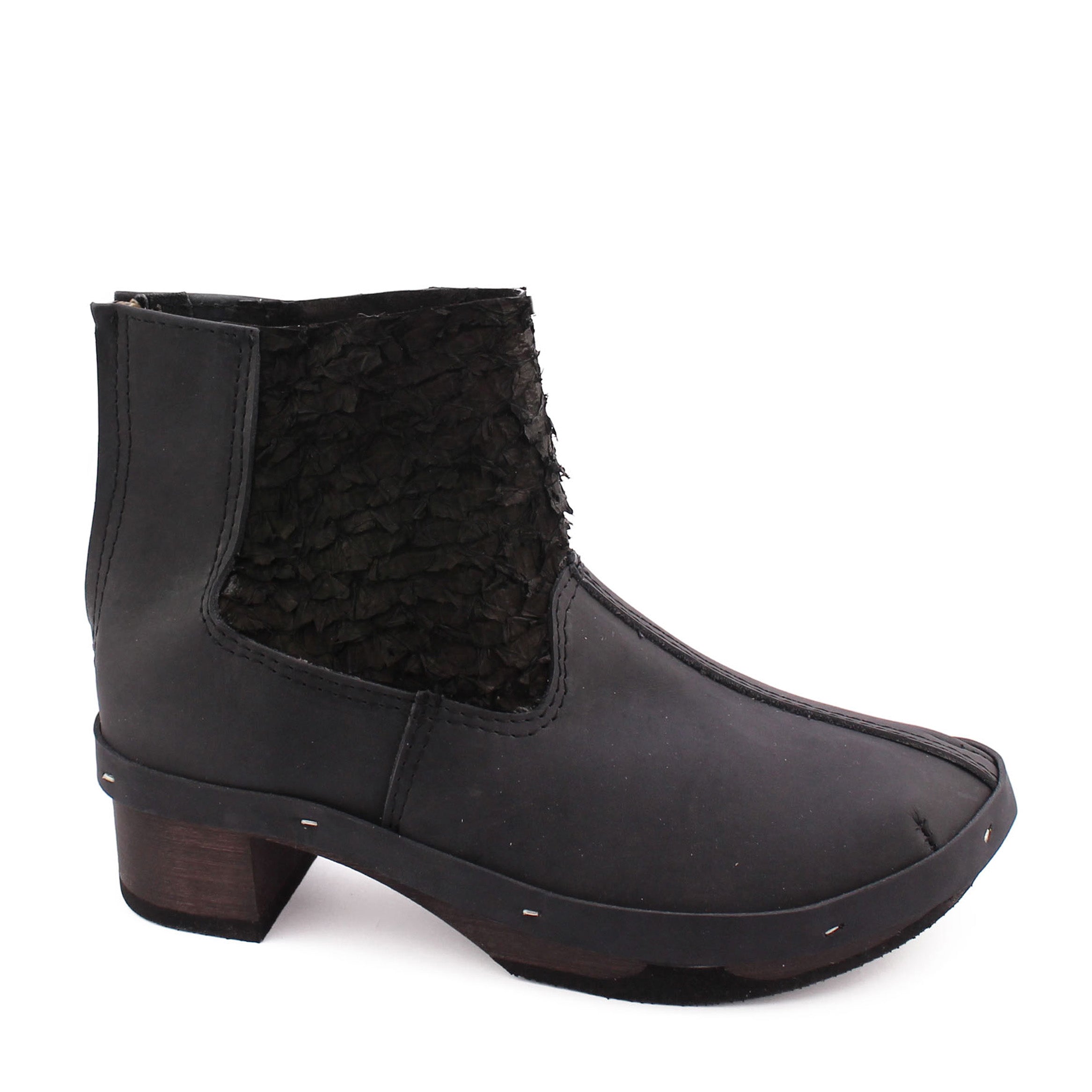
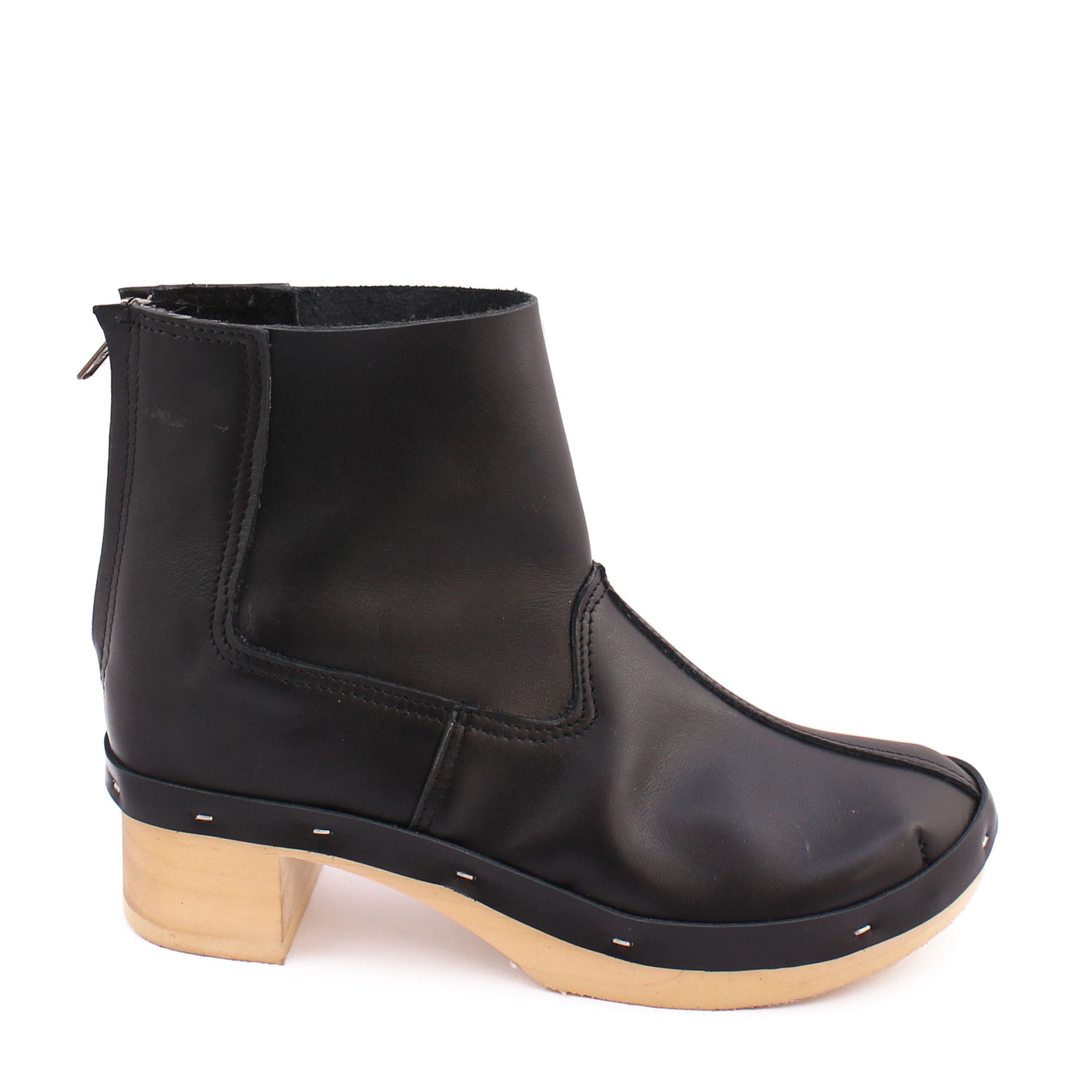
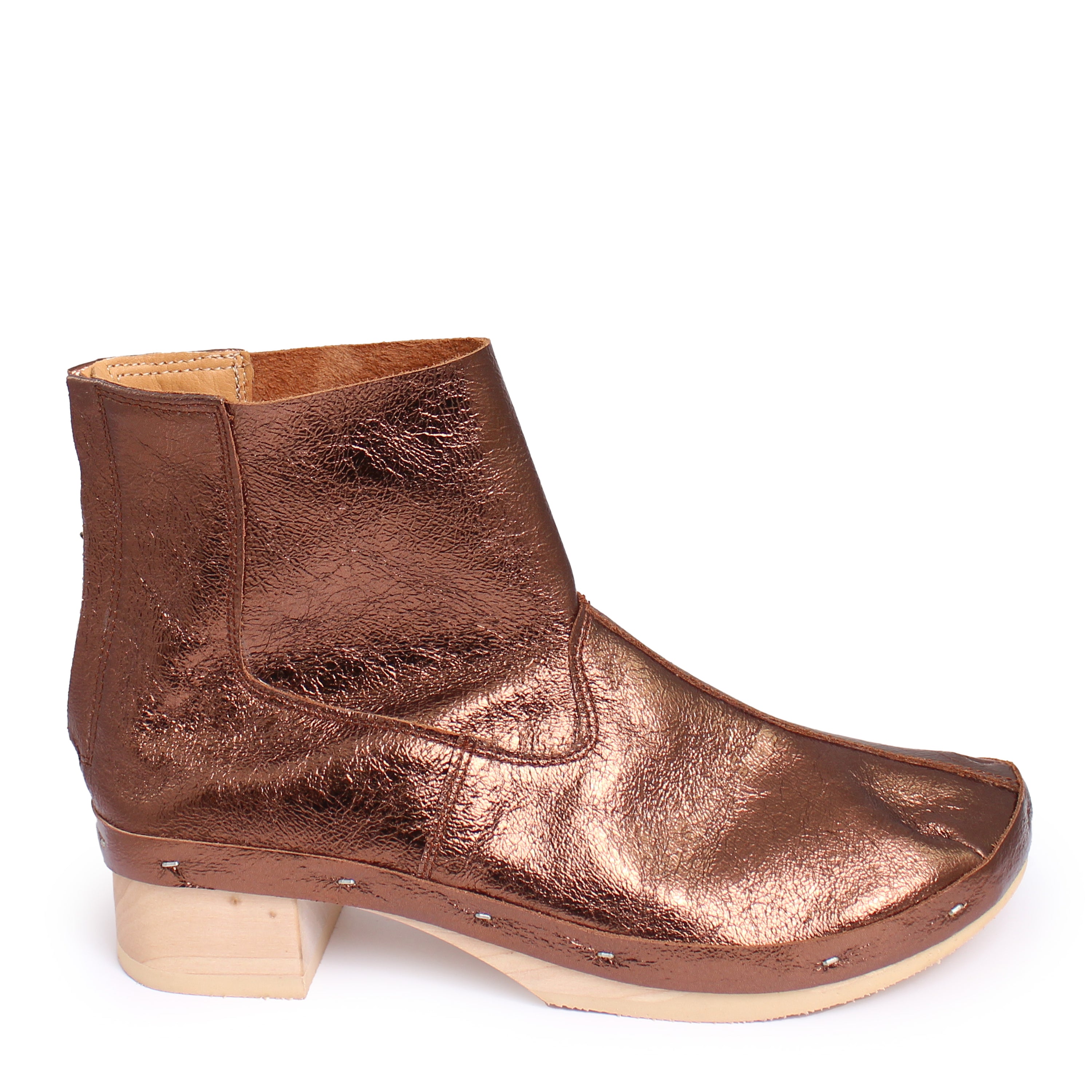
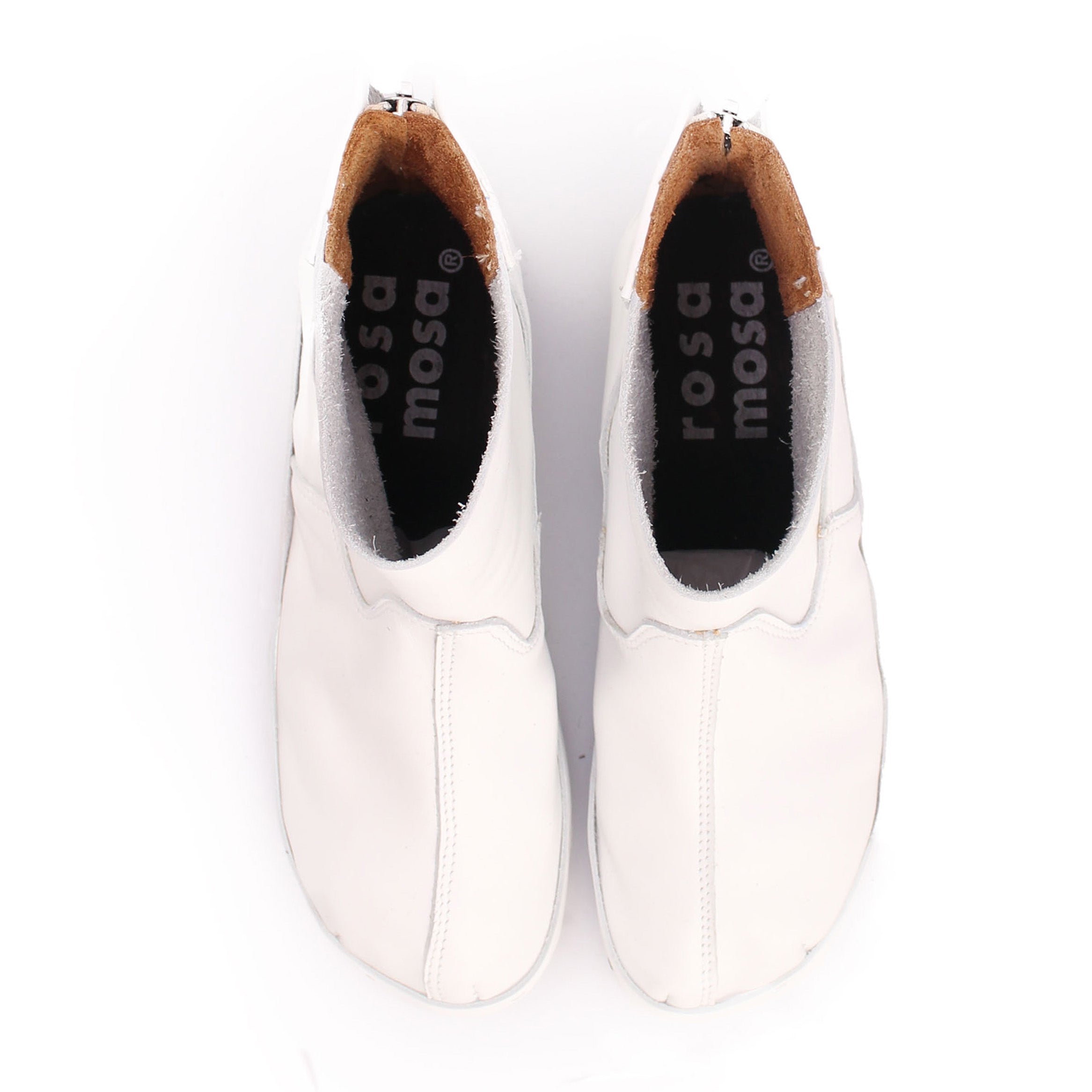
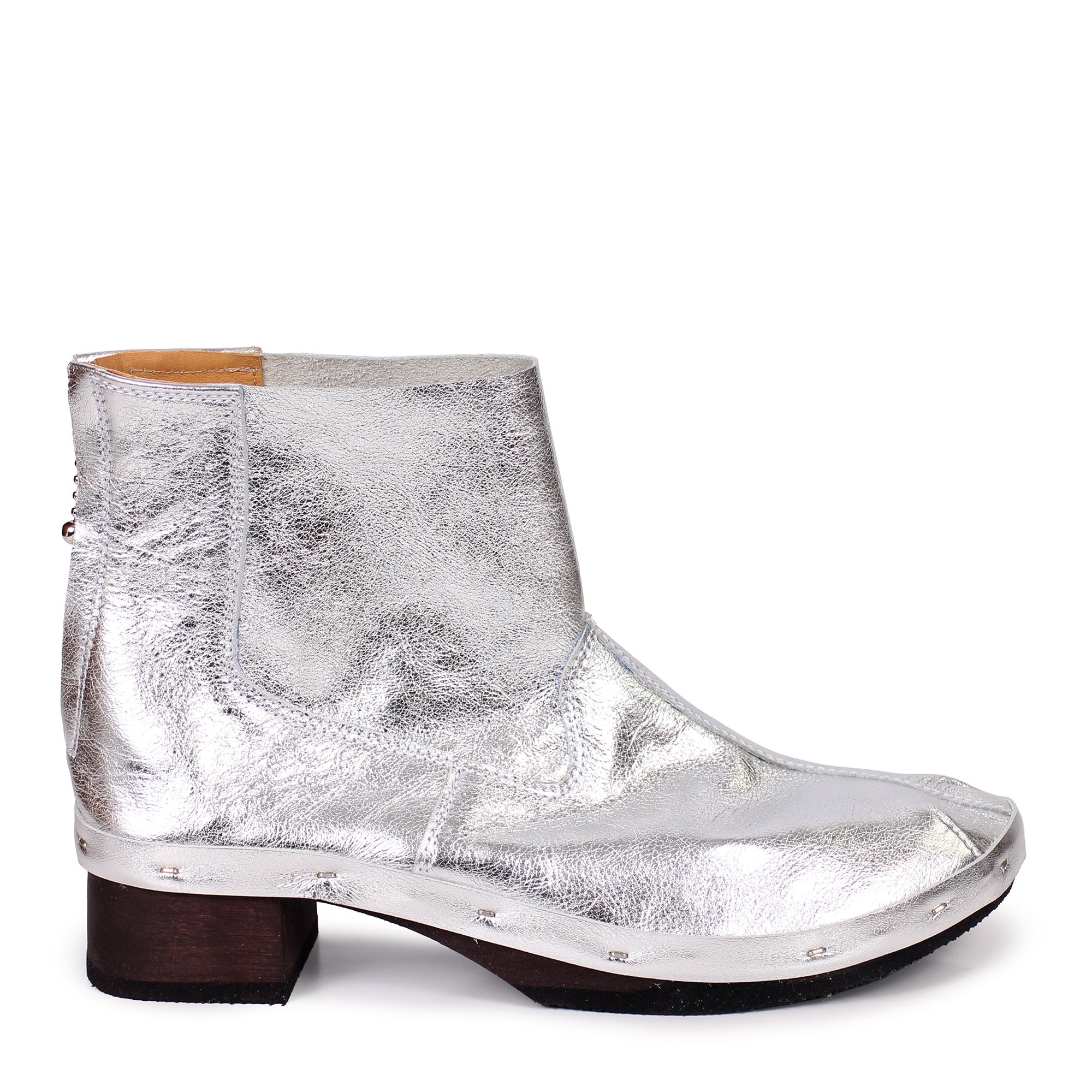
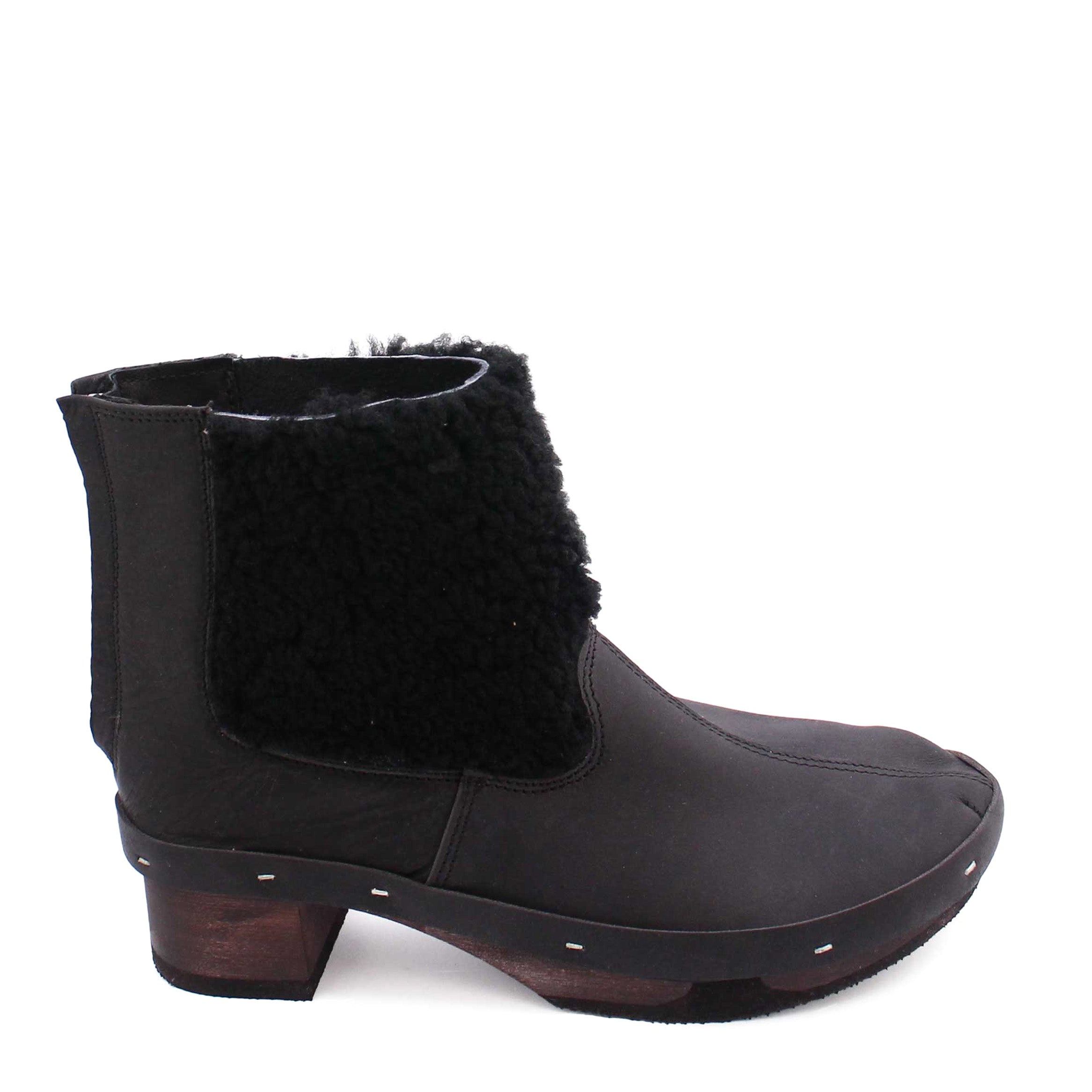
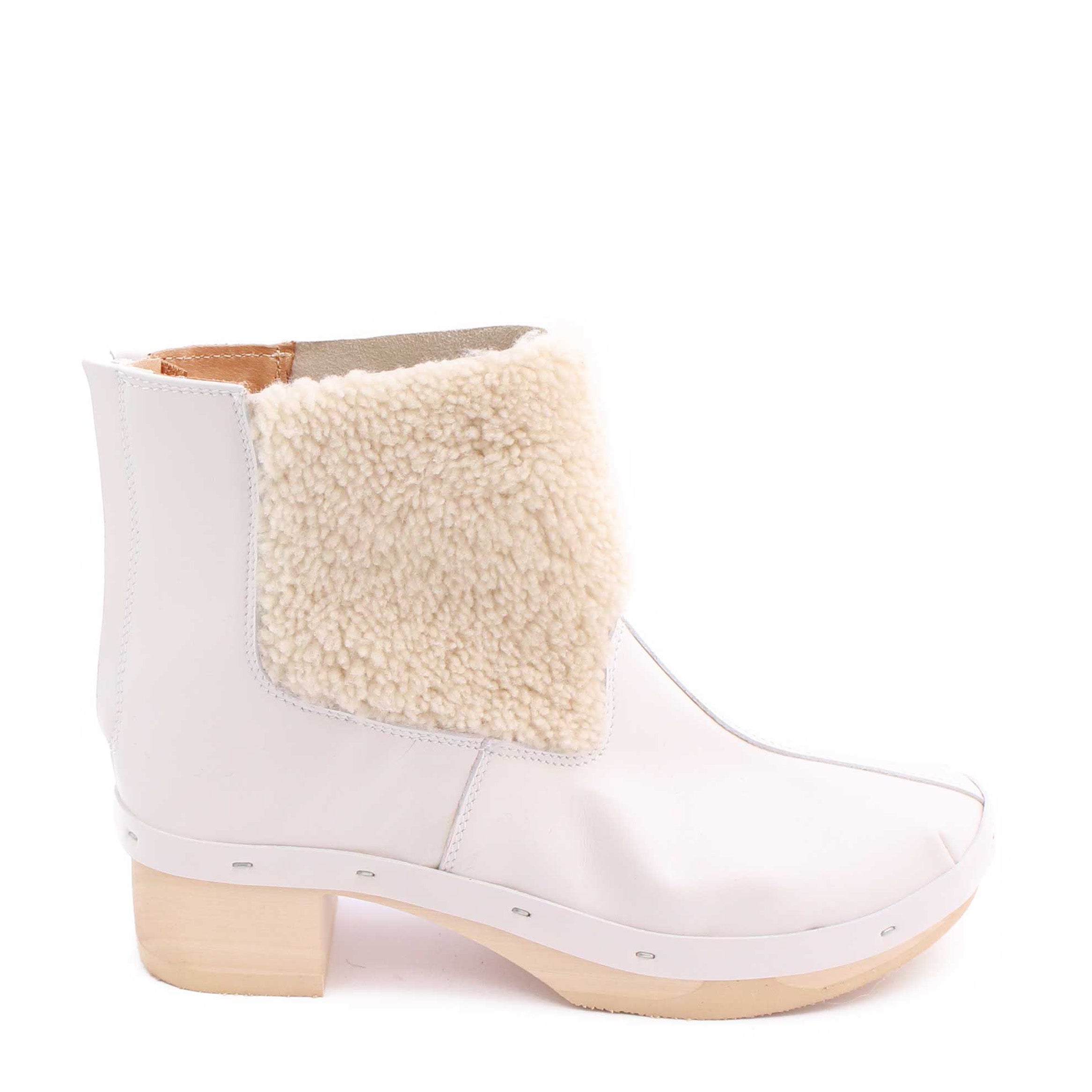
Our handmade boots collection
Our boots combine vegetable-tanned Italian leather with textile materials and sturdy soles, crafted in our Viennese workshop using traditional welting and stitching techniques. Whether you choose ankle-high lace-ups, structured welted boots, distinctive clog boots, or knee-high variations, each pair is built to move with you and improve with wear. Every boot is made to carry you through years, not just seasons.
Welted boots
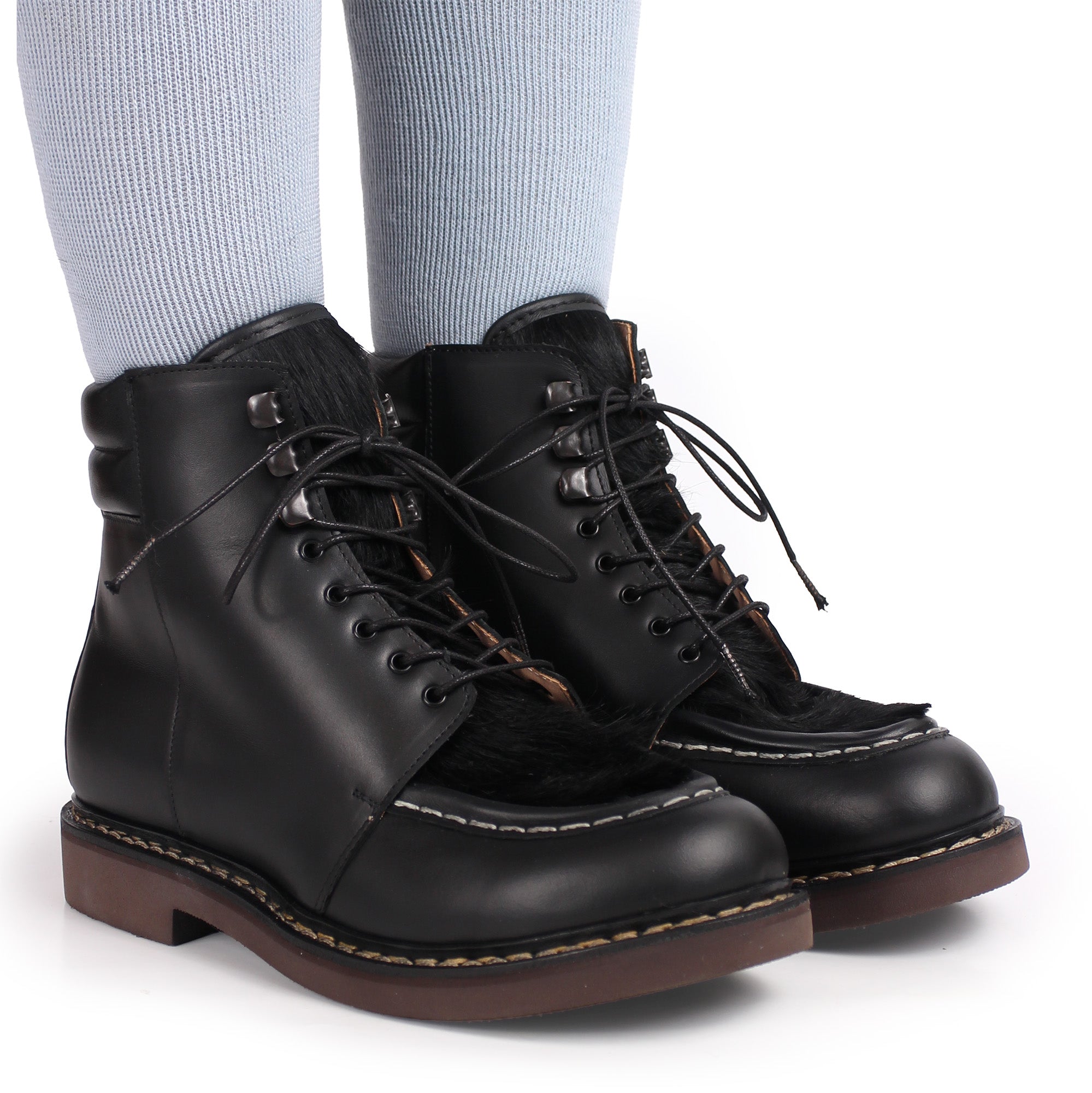
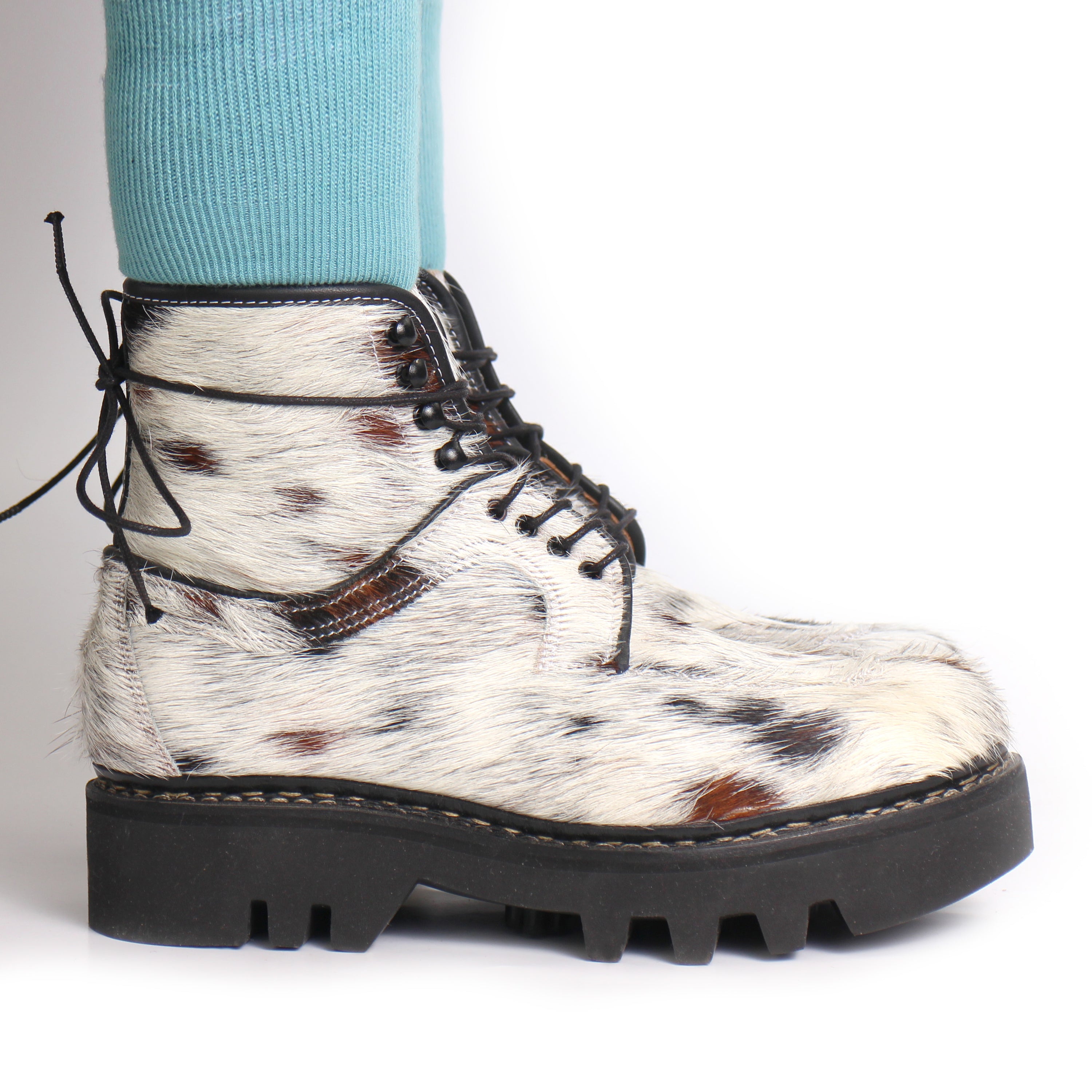
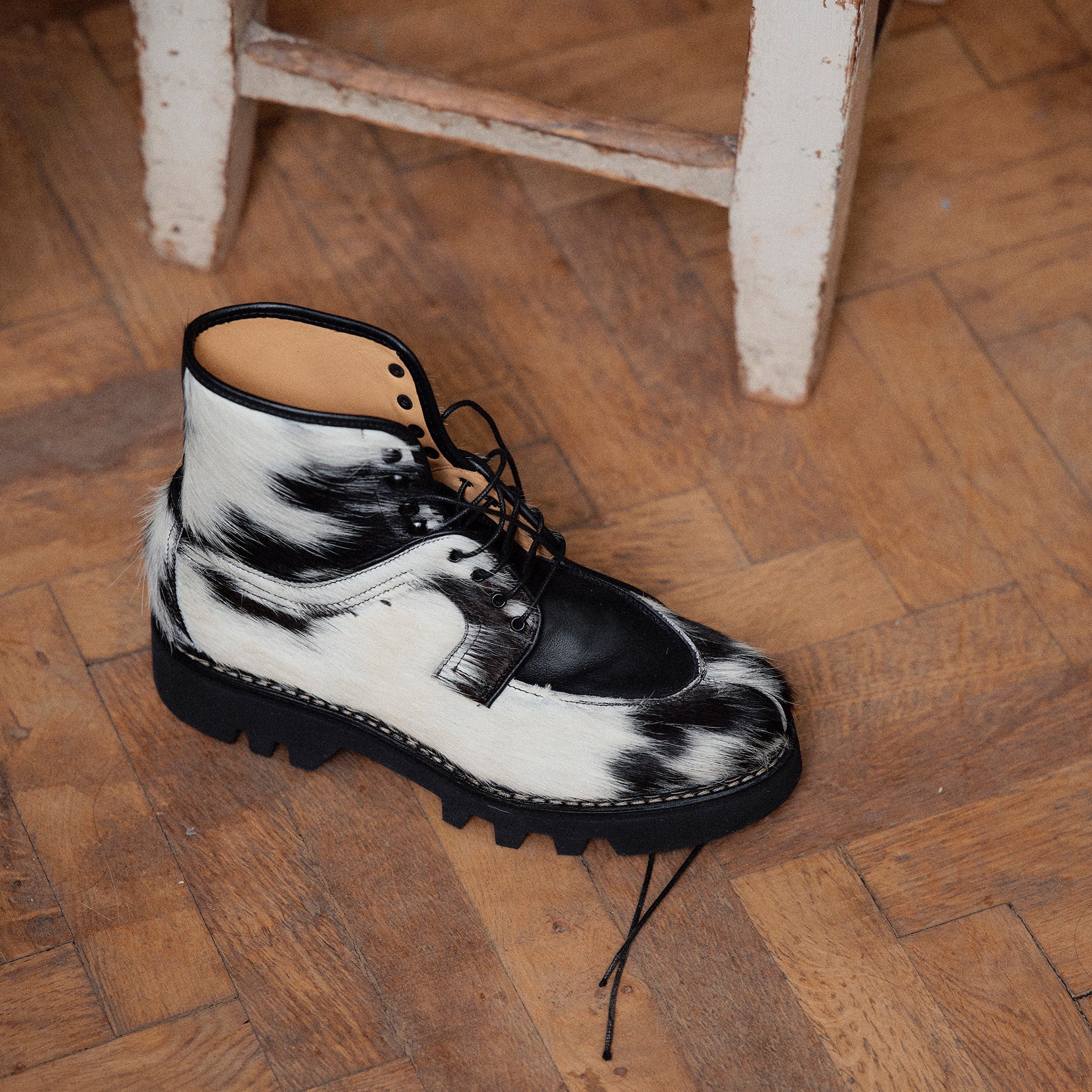
Our welted boots represent traditional shoemaking techniques applied to contemporary forms. Welted construction—where the upper, insole, and outsole are stitched together—creates boots that can be resoled and repaired, extending their lifespan significantly beyond typical footwear. We craft the uppers for our welted boots in our Viennese workshop, while the specialized welting process is performed by our partner in Hungary, as this requires specific machinery. This method takes much more time and skill but yields boots that improve with age rather than deteriorate. The visible stitching serves as a subtle detail, revealing rather than concealing the construction process.
Welted lace-up boots like the Similaun Boots Mucca from natural cow leather bring adjustability to winter footwear. The lacing system allows you to control fit and support throughout the day, adapting to personal preference. This flexibility makes them particularly suited for variable conditions and extended wear. Available in classic brown, black leather, and other colors, they maintain the clean lines and quality construction that define our workshop approach.
Clog boots
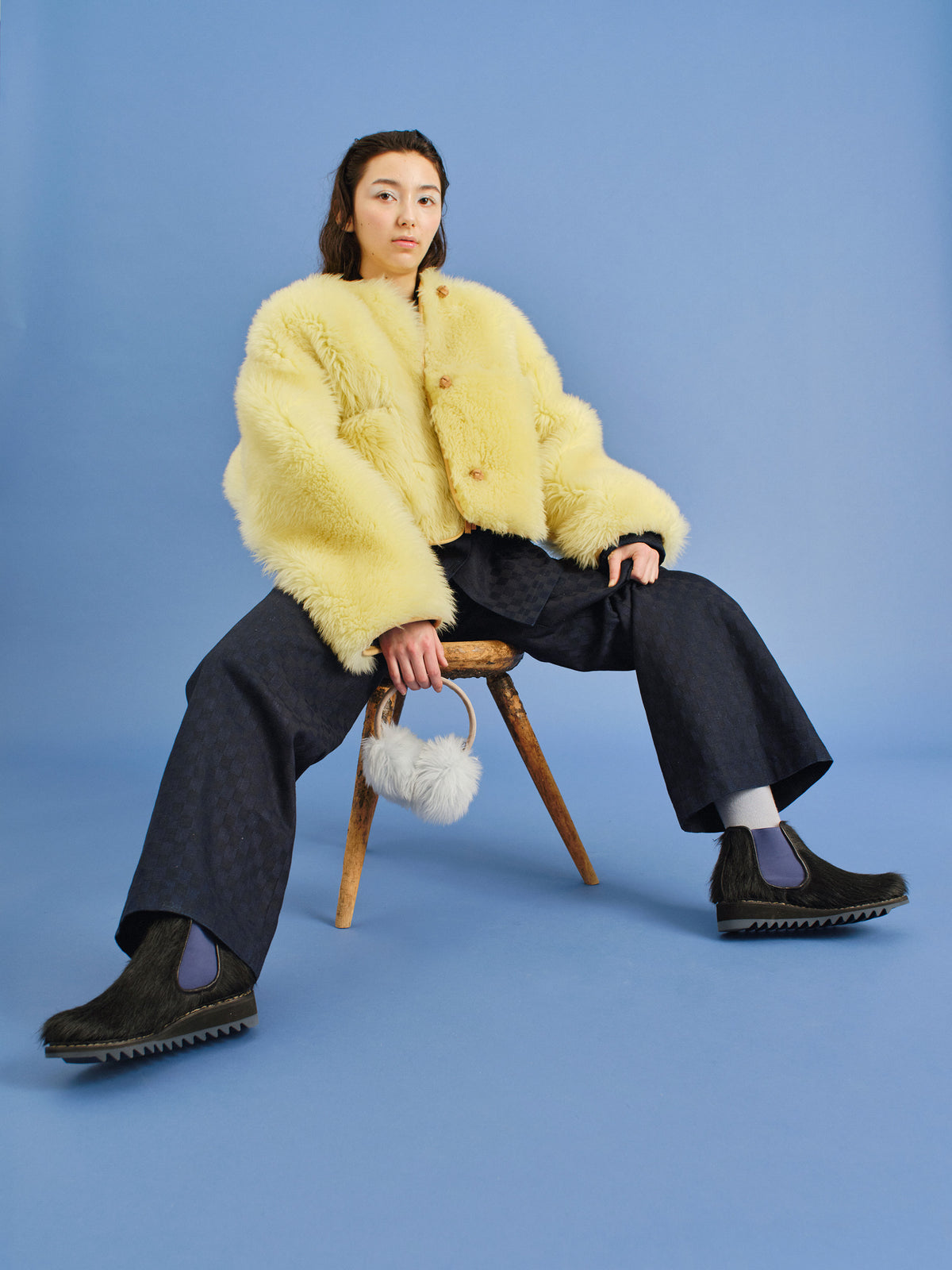
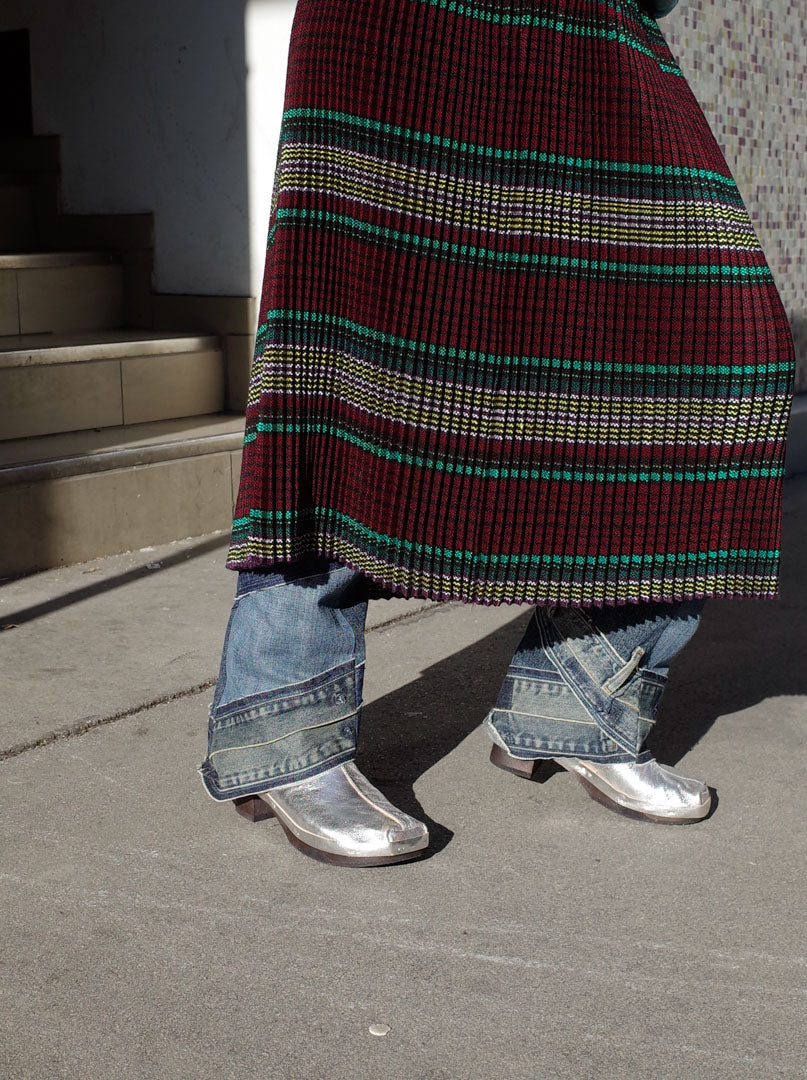
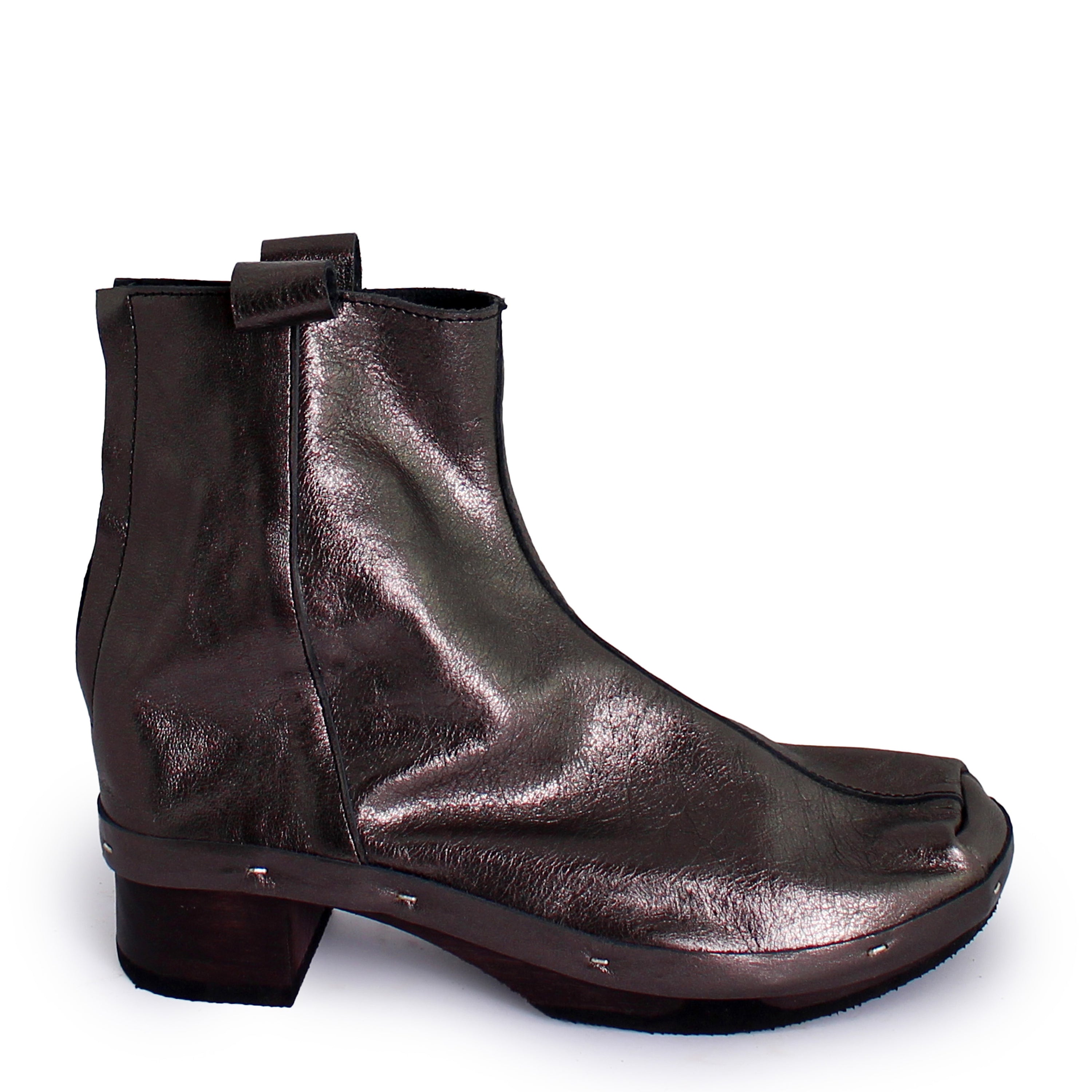
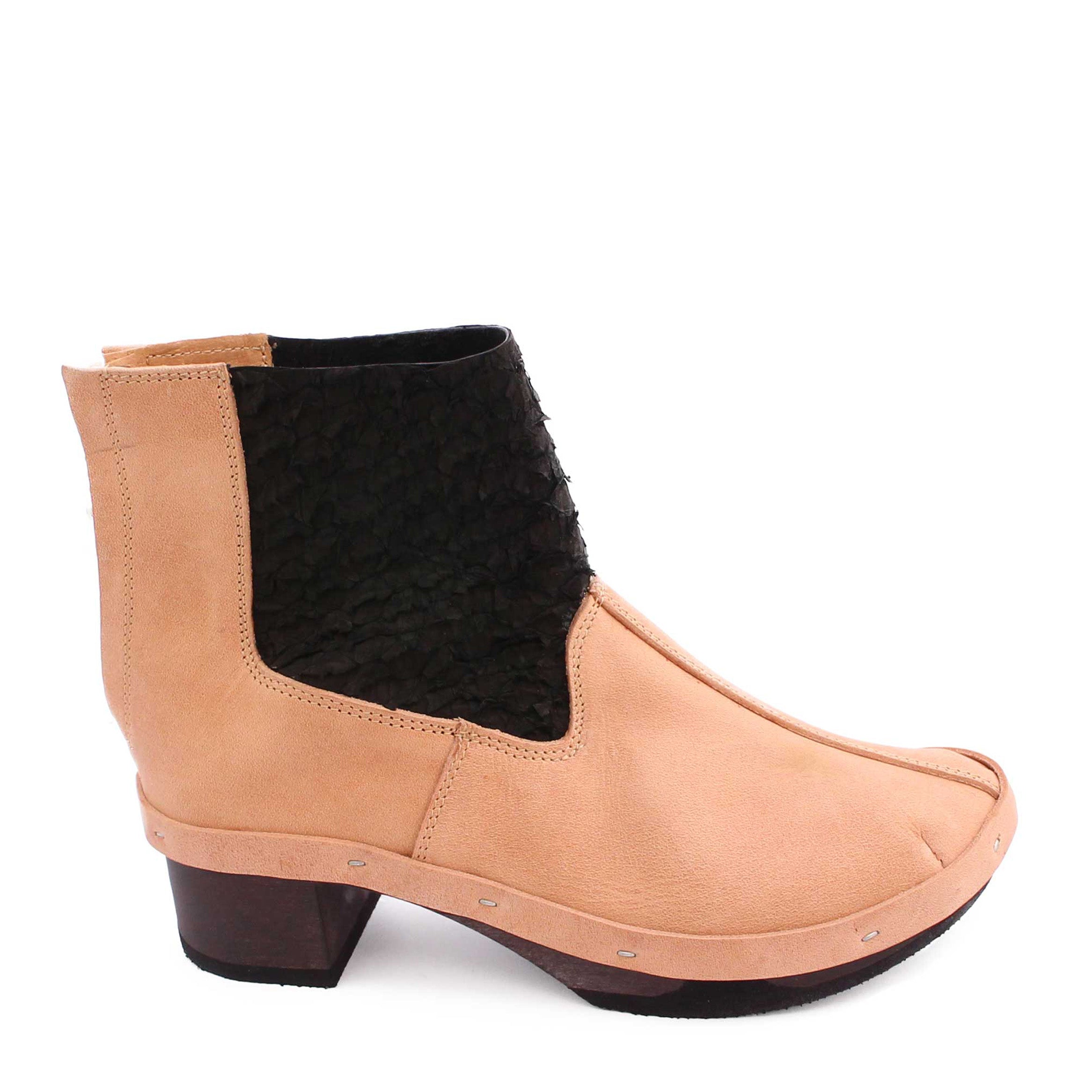
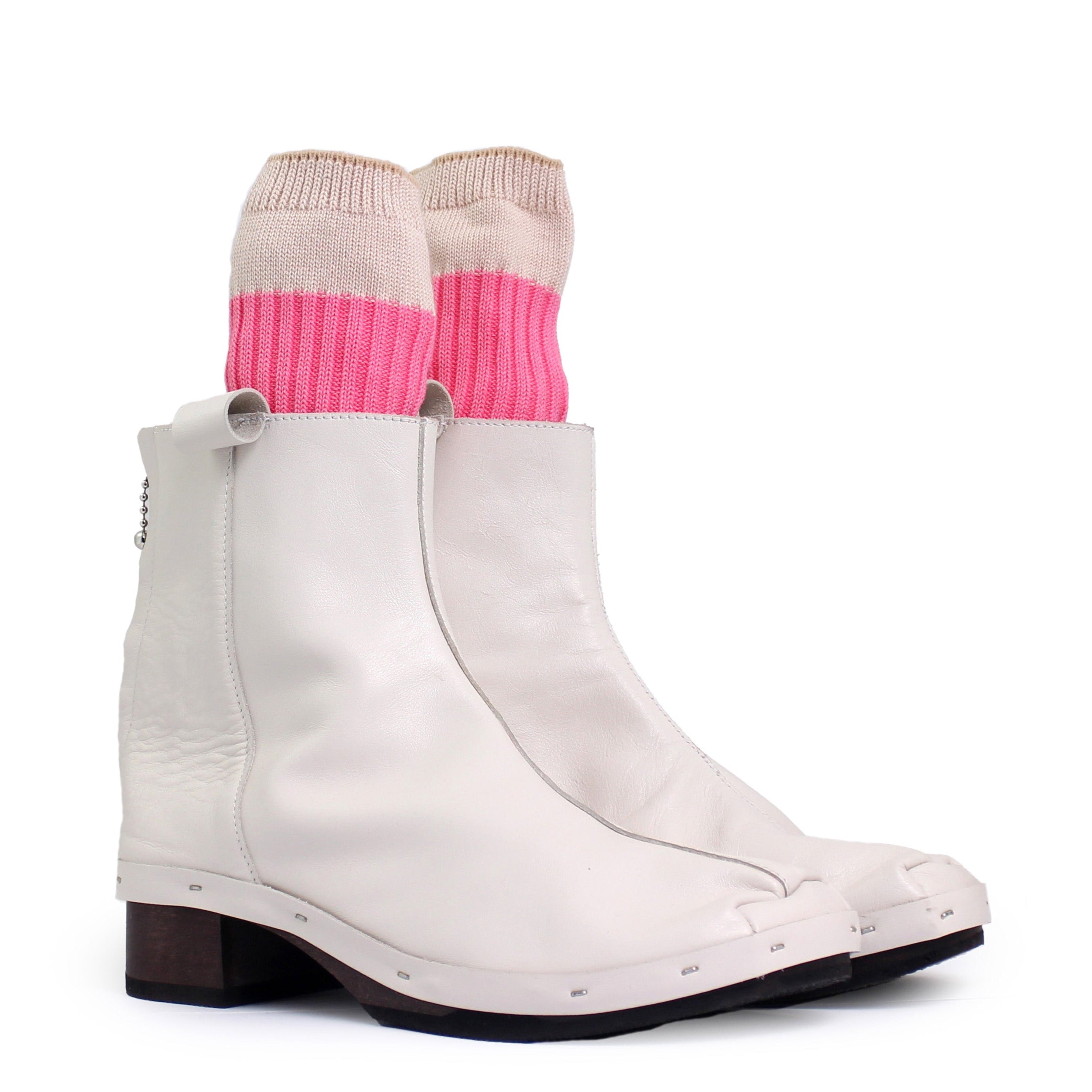
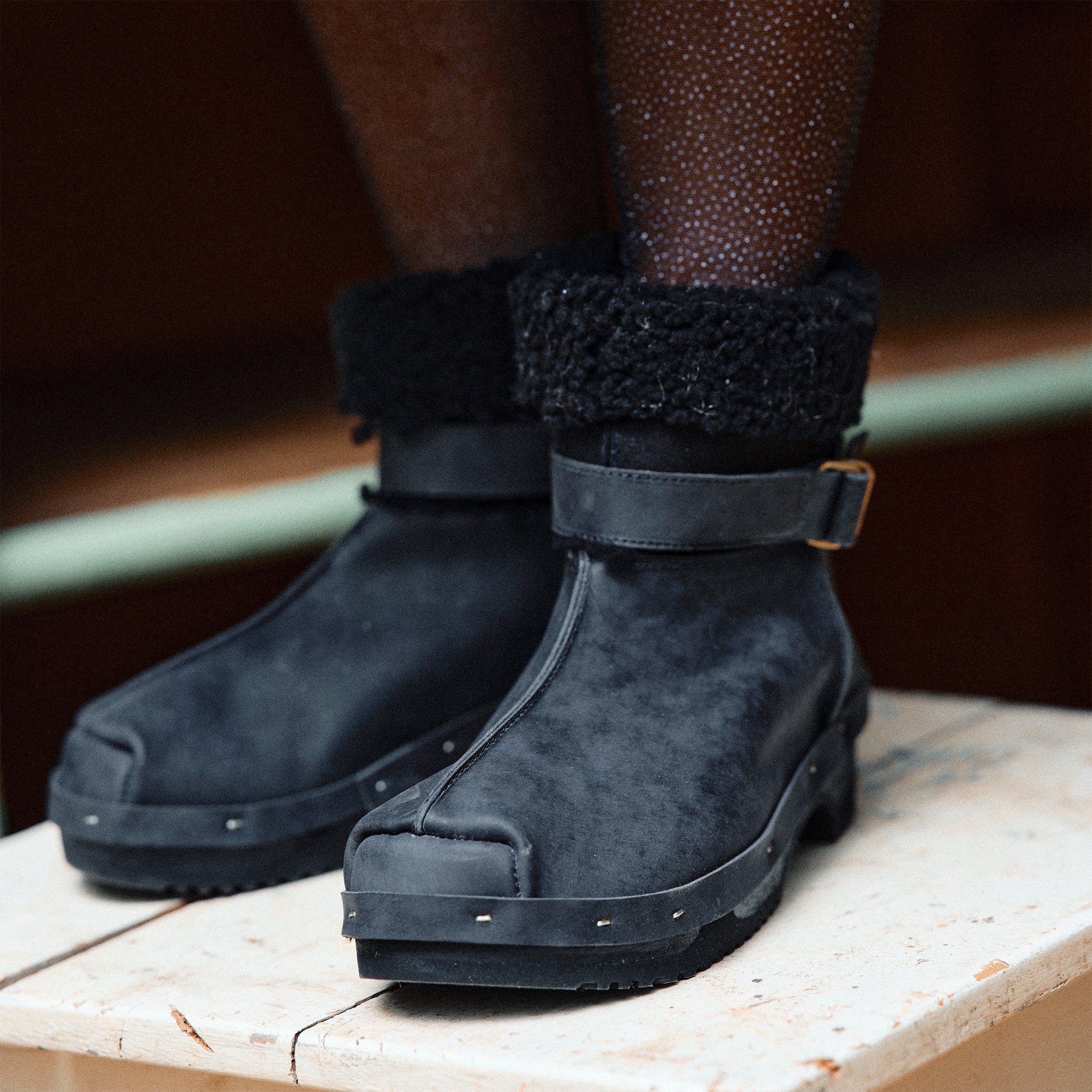
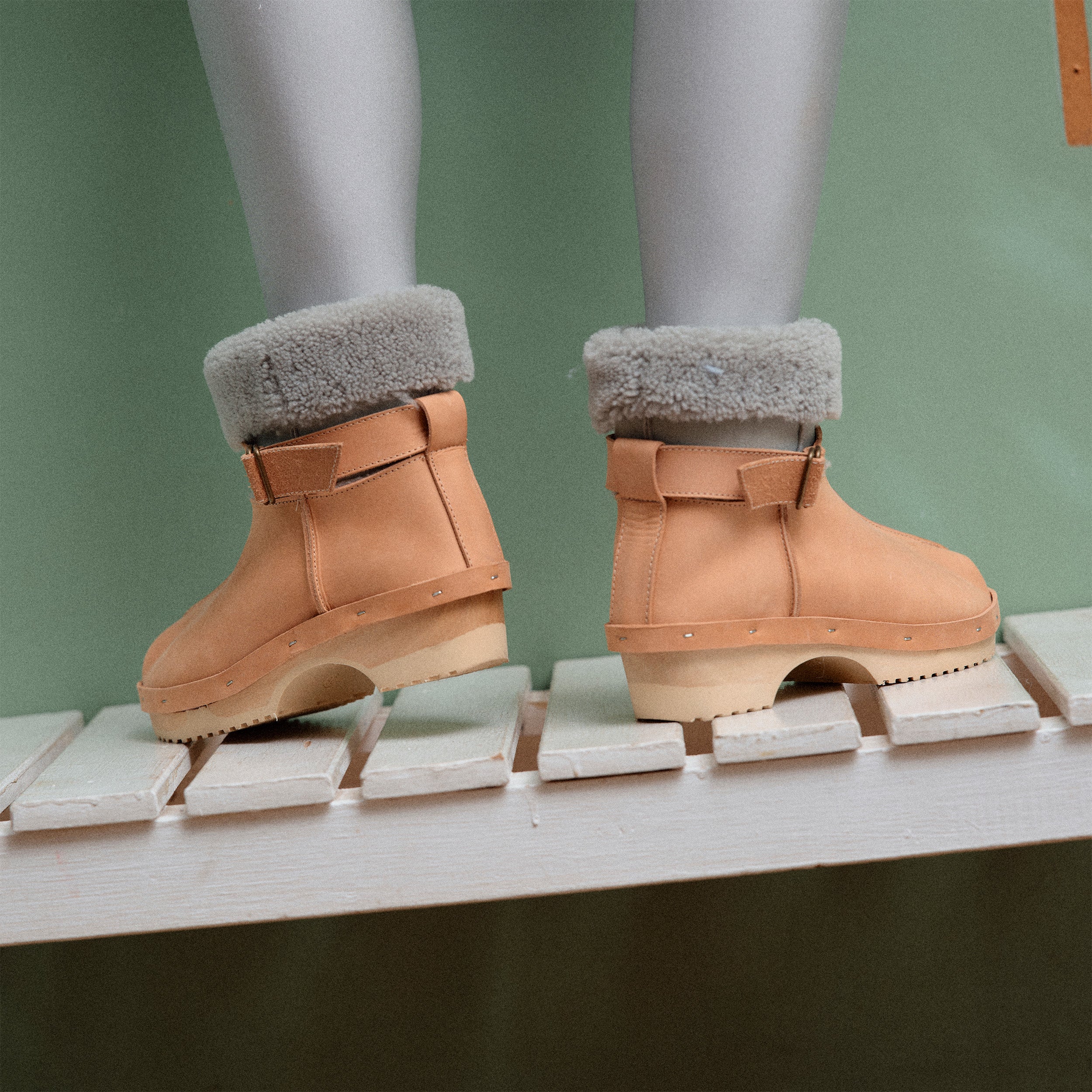
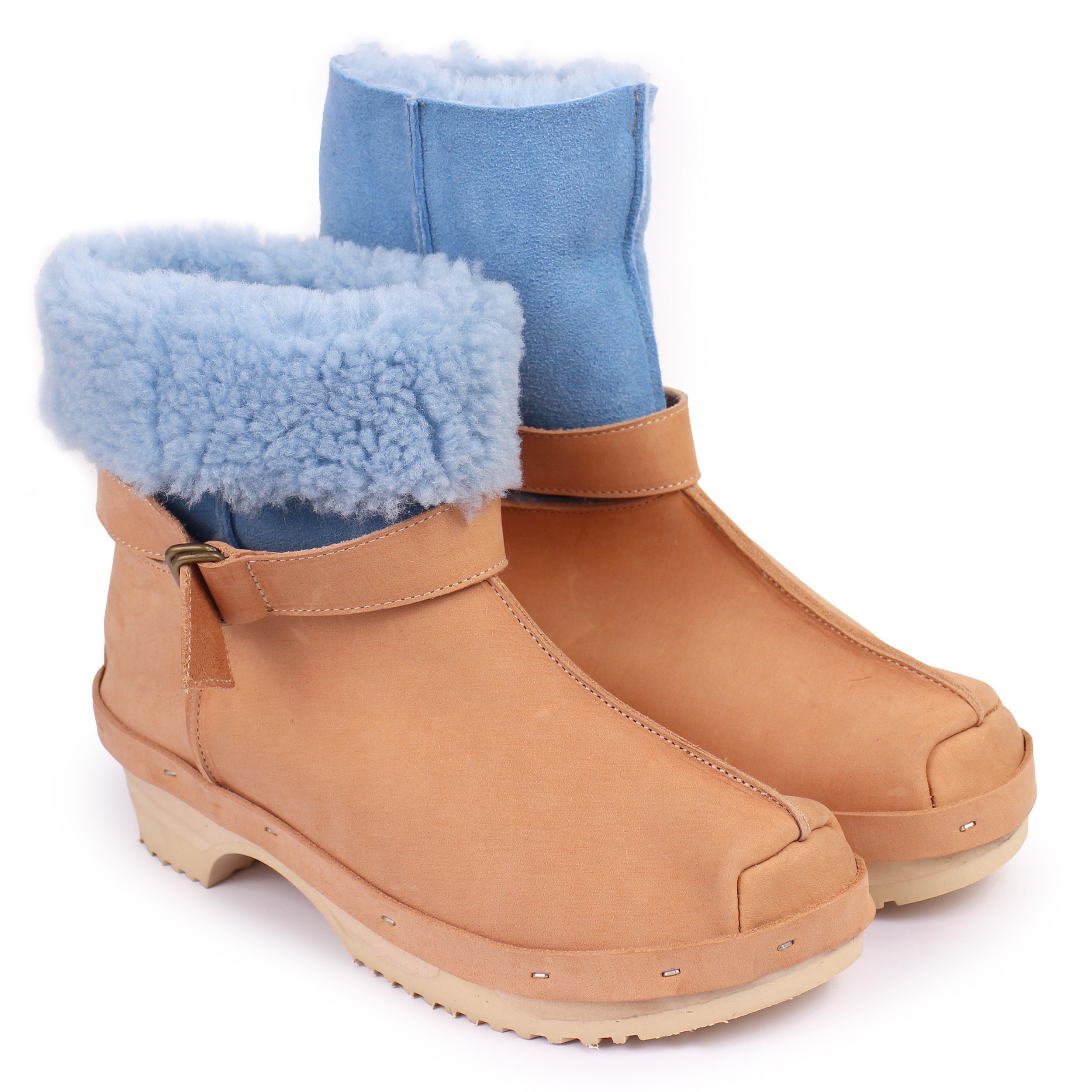
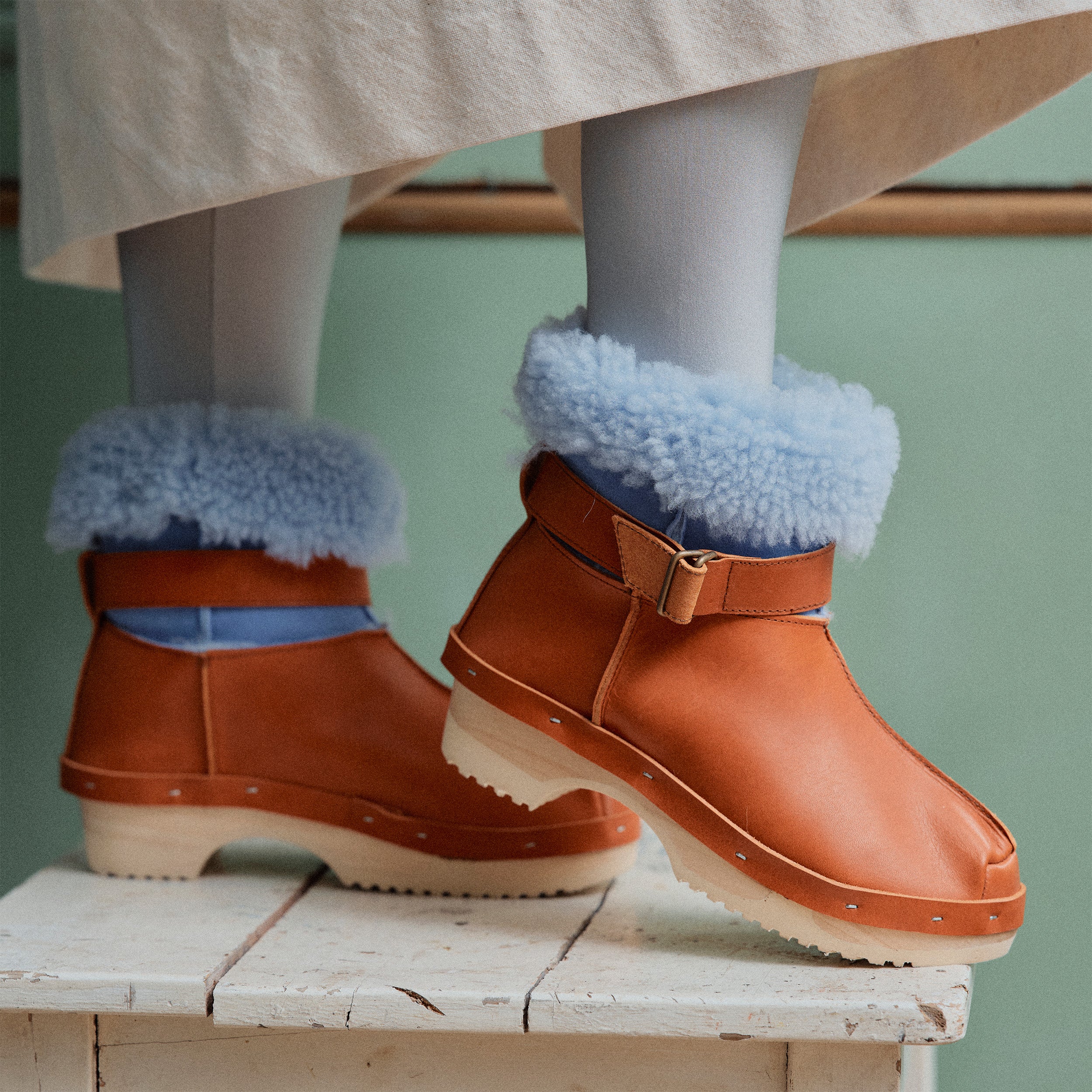
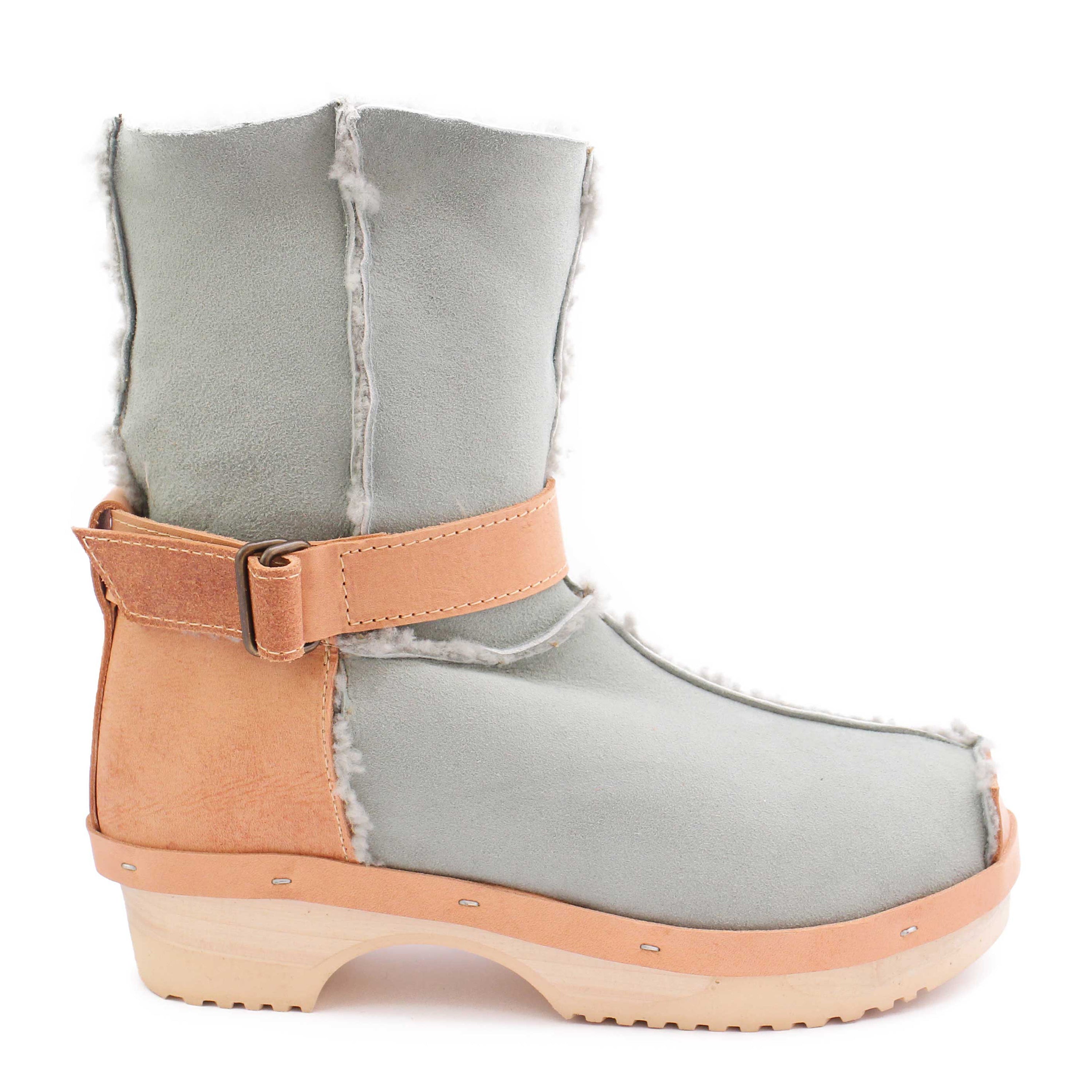
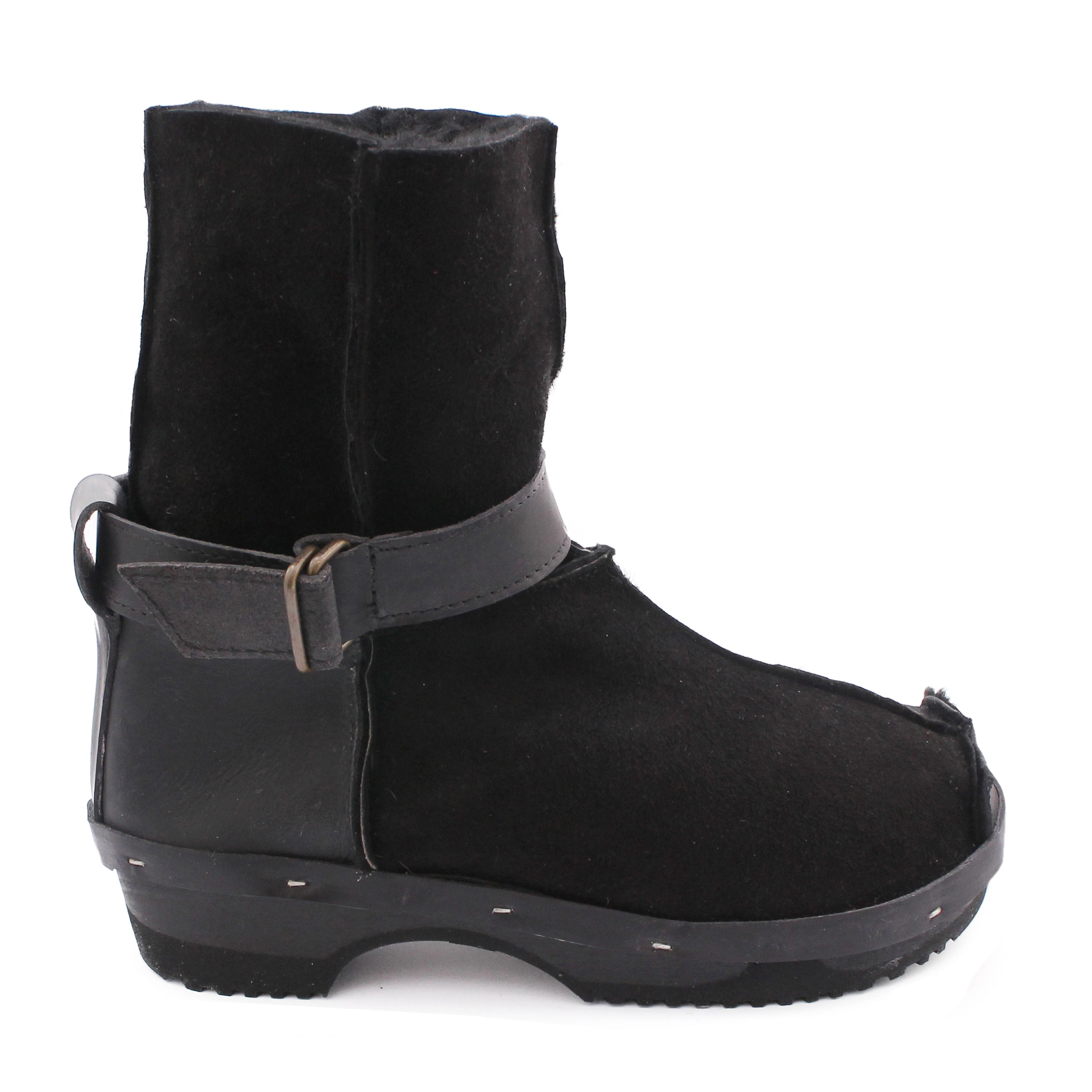
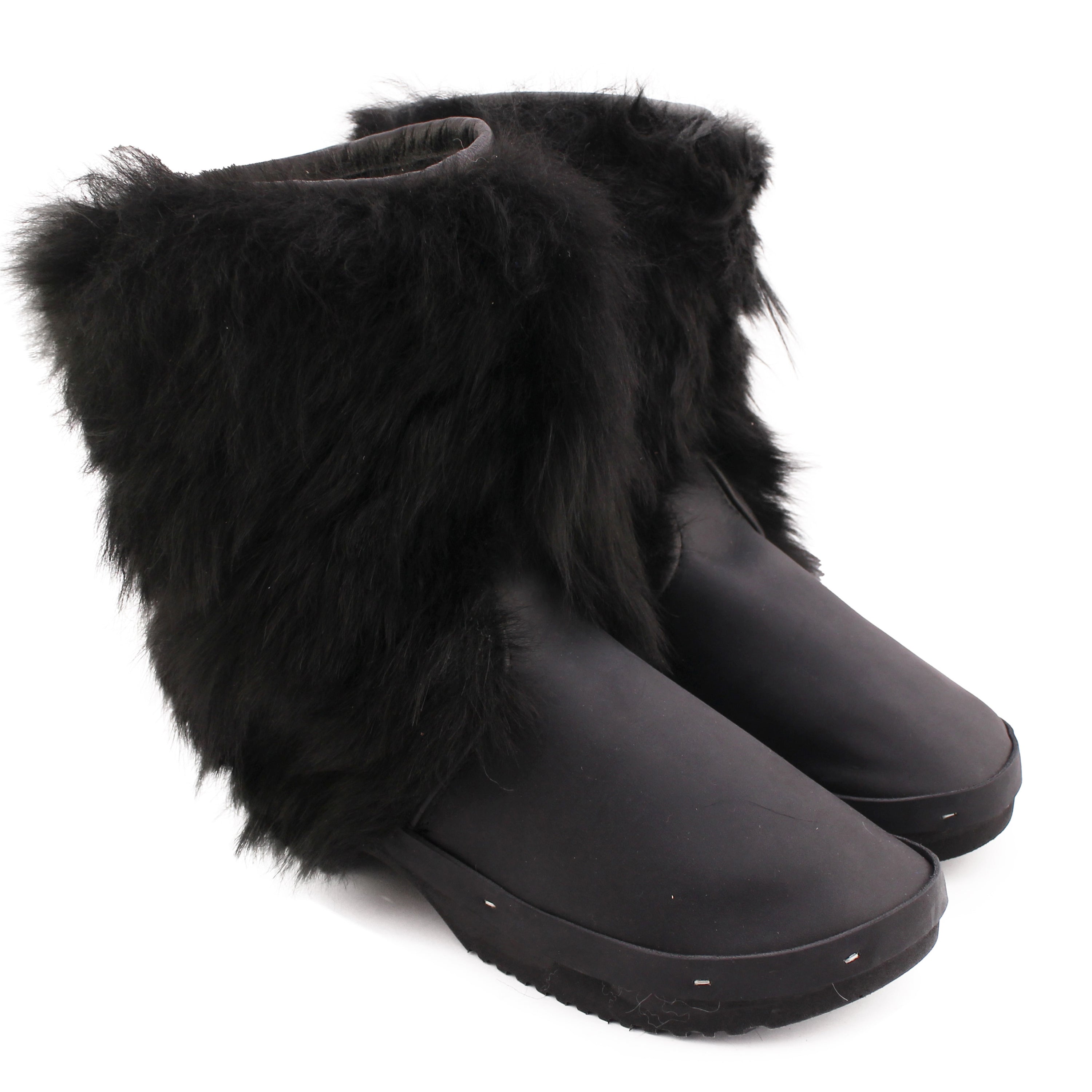
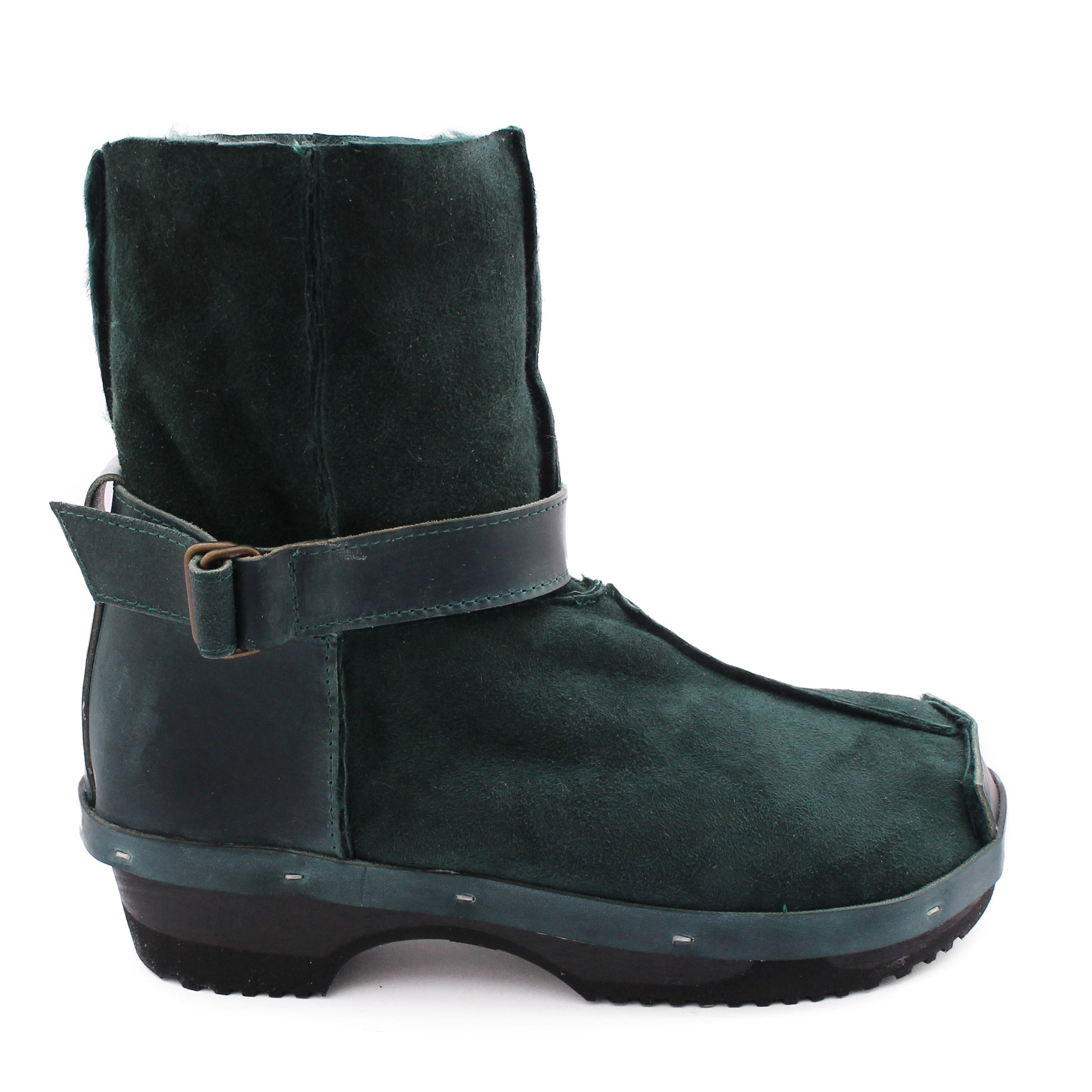
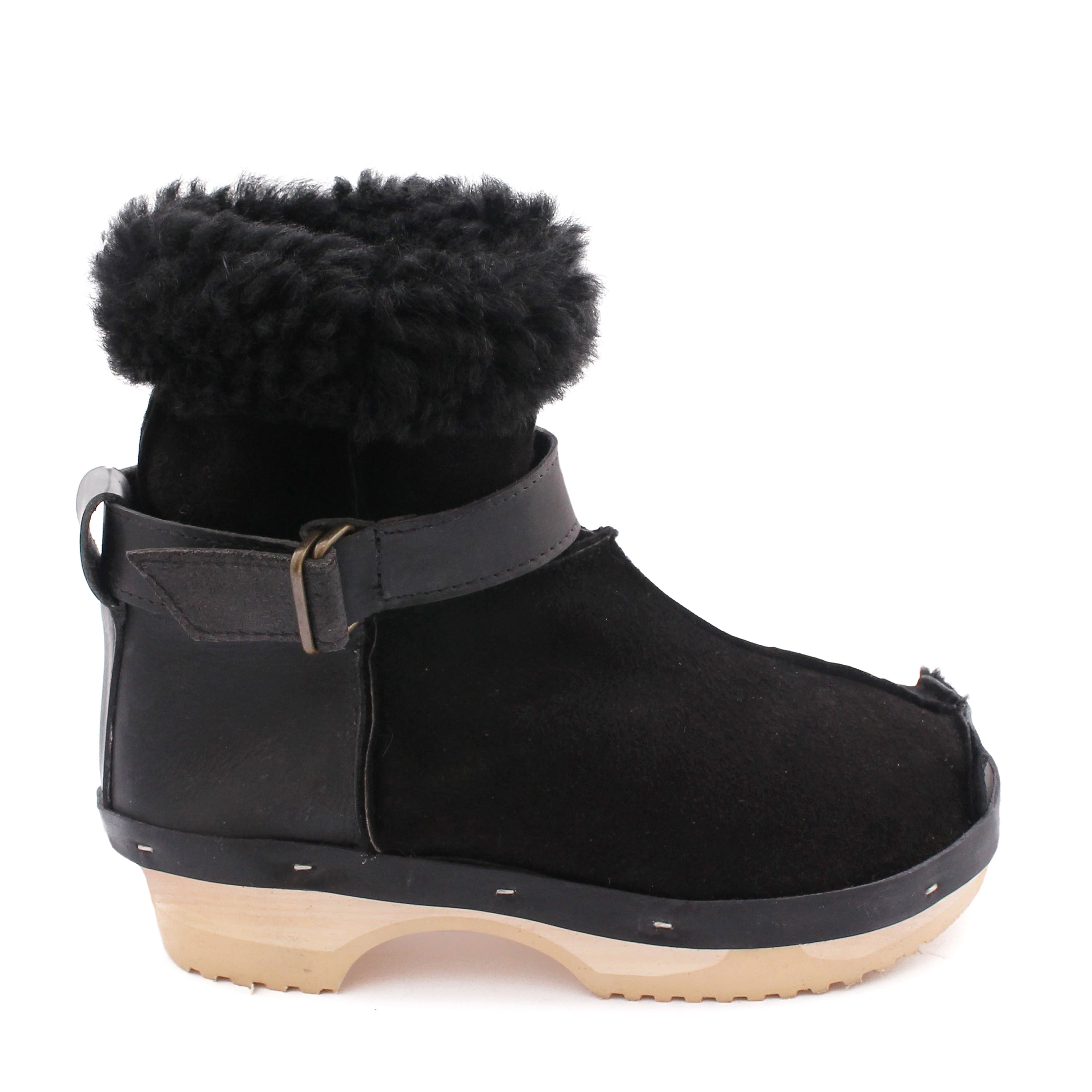
Clog boots like the Rosie Leather Dark Clog Boots merge two distinct footwear traditions into something unexpectedly cohesive. The characteristic wooden sole, made from poplar wood and inset with rubber for flexibility and cushioning, extends upward into boot heights that provide warmth without weight. Our clog boots carry the same commitment to movement and comfort found in our classic clogs while offering greater coverage for cooler weather. The combination of different materials such as wood, rubber, and vegetable-tanned leather creates boots that feel different from conventional designs.
Clog knee-high boots
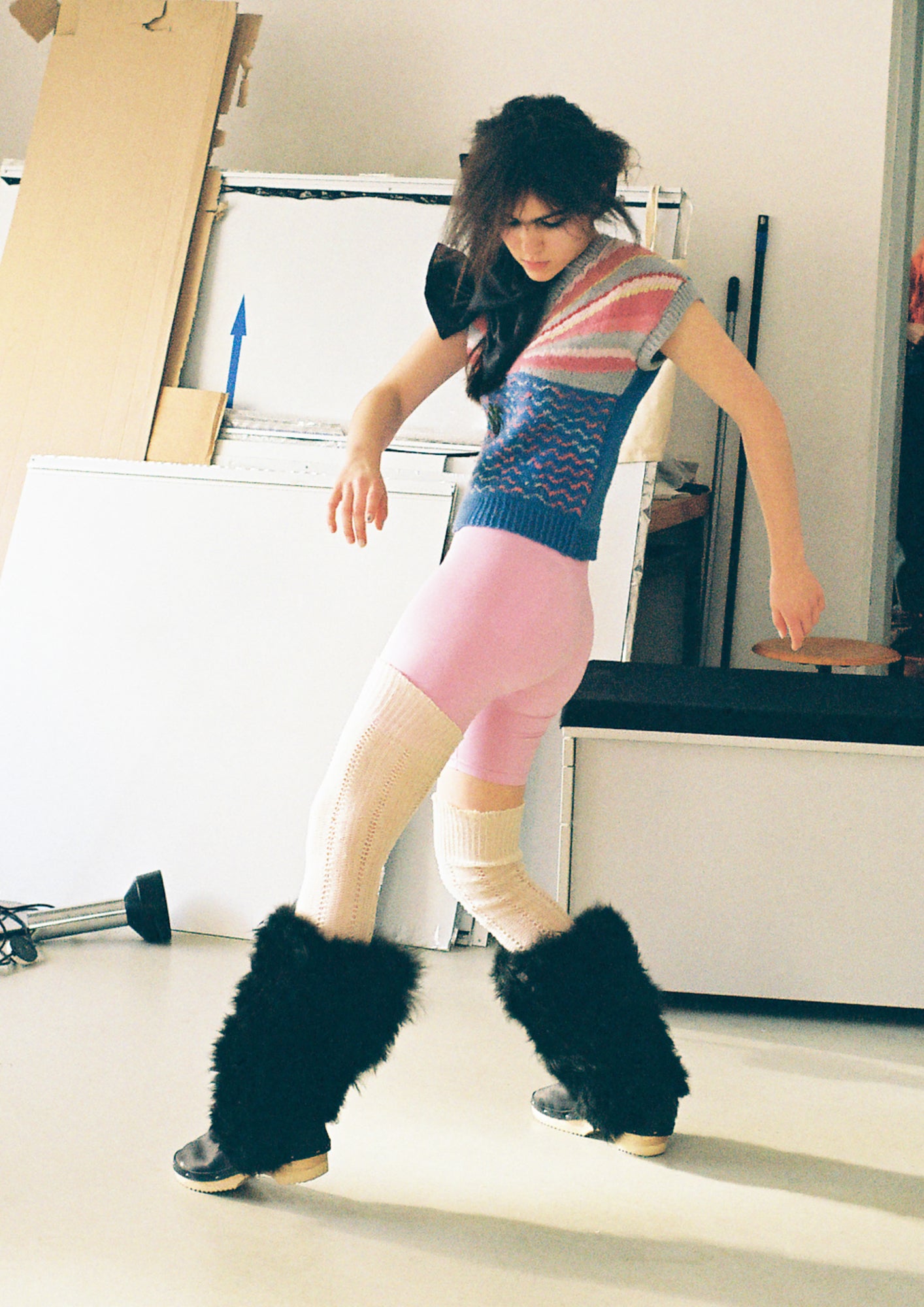
Our clog knee-high boots take our material-first philosophy to its fullest expression. The wooden sole and extended leather shaft create a unique visual without compromising practicality. Boots like the Rosie High Leather Dark Clog Knee-High Boots balance sculptural ambition with everyday wearability, offering protection and warmth through their height while maintaining the flexibility our rubber-inset wooden soles provide. Each pair requires careful construction to ensure the boot moves naturally despite its height—a detail that becomes apparent only when worn.
Boots across seasons
While boots are often associated with winter, our designs challenge this limitation through thoughtful material choices. The rubber-inset wooden soles provide breathability that conventional rubber soles lack, making lighter boot styles comfortable well into spring and early autumn. Clog boots with open backs or lower shafts transition easily between seasons, while knee-high variations offer protection during colder months without excessive insulation that would make them unwearable in milder weather. The vegetable-tanned leather breathes naturally, regulating temperature rather than trapping it. We’re proud that our boots can accompany you across a broader range of conditions than typical seasonal footwear.
Beyond boots, we also craft sandals, clogs, loafers, ballerinas, slip-ons and more—each category receiving the same material-first attention and the same commitment to small-batch production in our Viennese workshop.
FAQs (Frequently Asked Questions)
Are boots difficult to break in?
It’s important to understand that quality leather boots require a brief breaking-in period as the material adapts to your foot and leg shape. Our vegetable-tanned leather is particularly responsive, molding gradually to create a custom fit. We recommend wearing your boots for short periods initially, gradually increasing wear time as the leather softens and conforms.
Why choose leather boots over synthetic materials?
The choice of material matters particularly in boots, where your feet are enclosed for extended periods. Shoes made from organic materials such as natural leather have breathability characteristics that synthetic materials often lack.
How do clog boots differ from regular boots?
Clog boots feature wooden soles inserted with rubber, creating unexpected flexibility and softness compared to conventional boot constructions. This combination provides natural cushioning and distinctive movement, while the boot height offers warmth and protection. The wooden element grounds the design both literally and aesthetically.
What makes welted boots worth the investment?
Welted construction allows boots to be resoled and repaired, significantly extending their lifespan. Rather than discarding worn boots, you can have them rebuilt—sometimes multiple times over decades. This construction method requires more time and skill to execute, but yields boots that improve with age. The initial investment distributes across years of wear rather than a single season. It's a construction method we're proud to maintain in our workshop.
How to care for leather boots?
Vegetable-tanned leather boots require minimal maintenance but benefit from attention. Brush off dirt and salt with a soft cloth, apply leather cream or wax occasionally to nourish the material, and allow the boots to dry naturally if they get wet—never near direct heat. Use boot trees or stuff with newspaper to maintain shape during storage.
Can clog knee-high boots be worn all day?
Yes, if properly fitted. Our clog knee-high boots are constructed to perform naturally despite their height, with rubber-inserted wooden soles that provide flexibility and cushioning. The shaft should be snug but not restrictive, allowing for natural leg movement. The leather will mold to your leg shape over time, improving comfort with each wear.
How do I know my boot size?
Handmade boots can fit differently than mass-produced footwear. We recommend referring to our size guide and measuring both foot length and calf circumference for knee-high styles. Because our vegetable-tanned leather molds to your shape over time, the initial fit should be comfortable but can be slightly snug—the leather will stretch and adapt. Consider that you may wear thicker socks with boots than with other footwear.
Where does the leather for the boots come from?
We use leather from Italy. You can find detailed information about the materials on the individual product pages. The tanning process uses natural materials rather than chemicals, resulting in leather that ages beautifully and develops character over time.
Can leather boots handle winter conditions?
Vegetable-tanned leather can handle light moisture and cold temperatures but shouldn't be soaked or exposed to road salt regularly without protection. When your boots get wet, stuff them with newspaper and let them dry slowly at room temperature. If conditions make access to proper drying difficult, carry a cloth to wipe excess moisture. Regular application of leather cream or wax provides some water resistance and protection. For harsh winter conditions, we recommend treating your boots with appropriate protective products while being aware that frequent exposure to extreme wet conditions will affect the leather's appearance and longevity.