Our approach
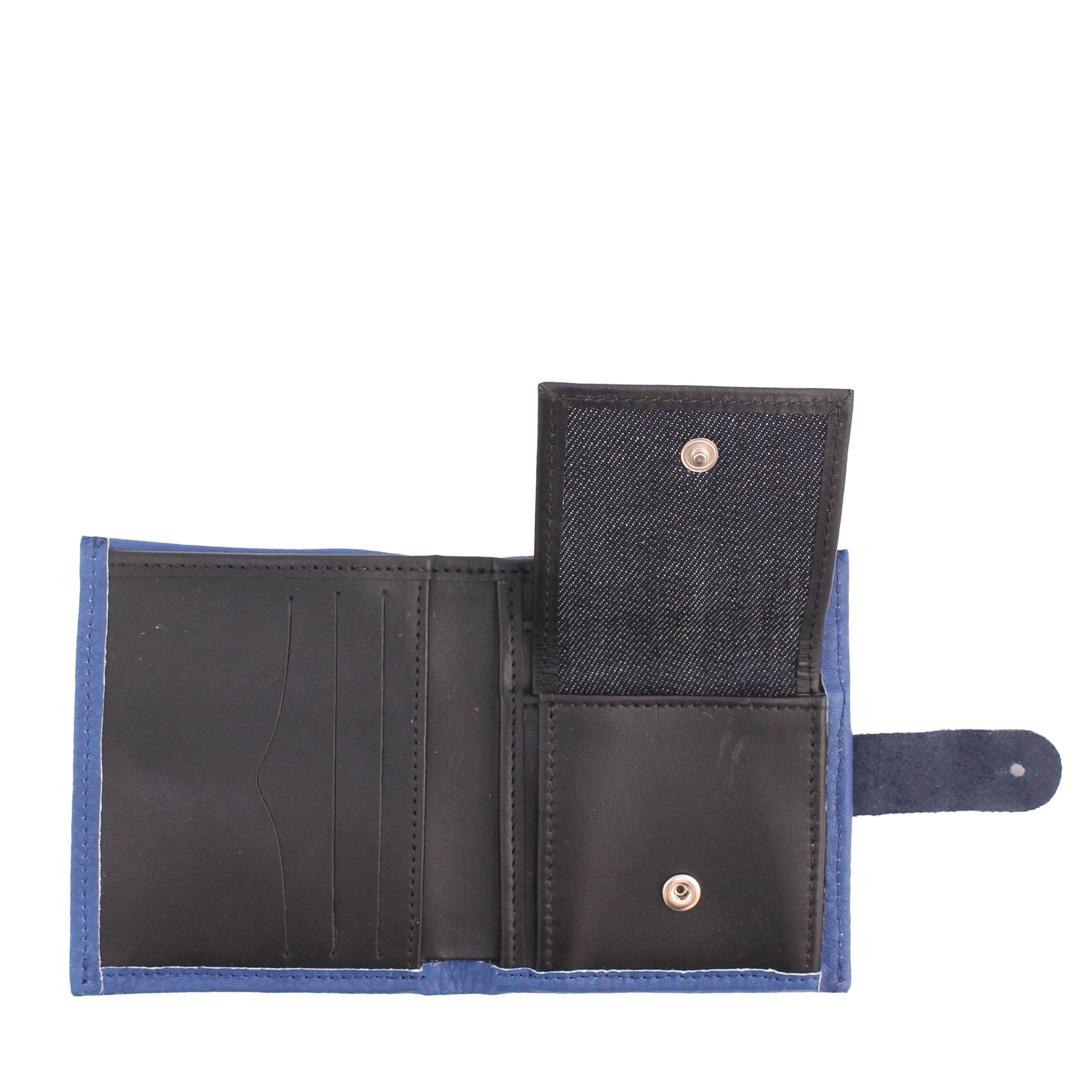
Working with vegetable-tanned leather, denim, cotton fabric, and other carefully selected materials, we develop each wallet and coin case in our Viennese workshop. The process mirrors how we create our shoes—sketching, cutting, stitching, testing in hands and pockets, refining until a prototype proves itself worthy of production. This often takes weeks, yielding accessories that balance functionality with tactile satisfaction.
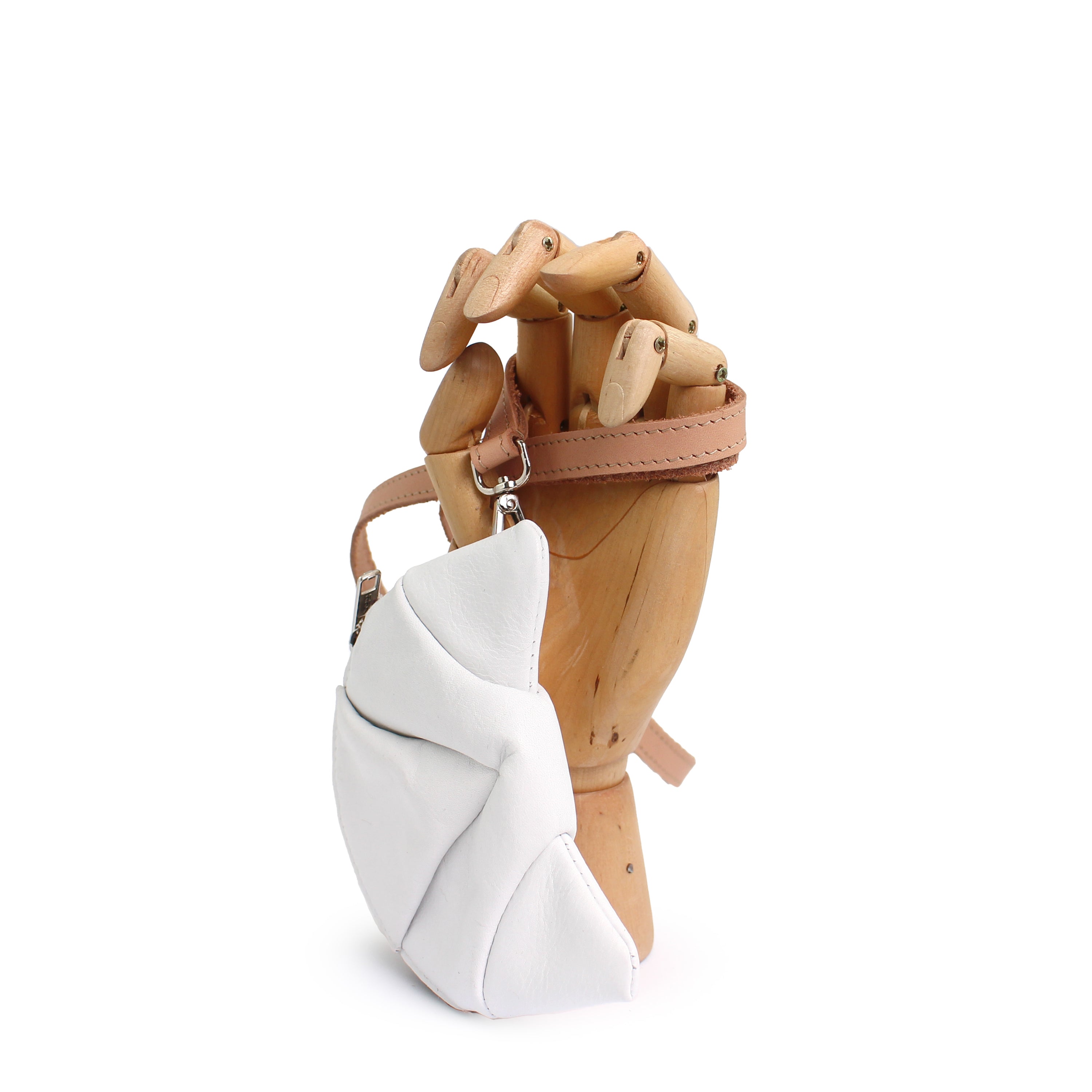
Croissant & Kaisersemmel coin cases
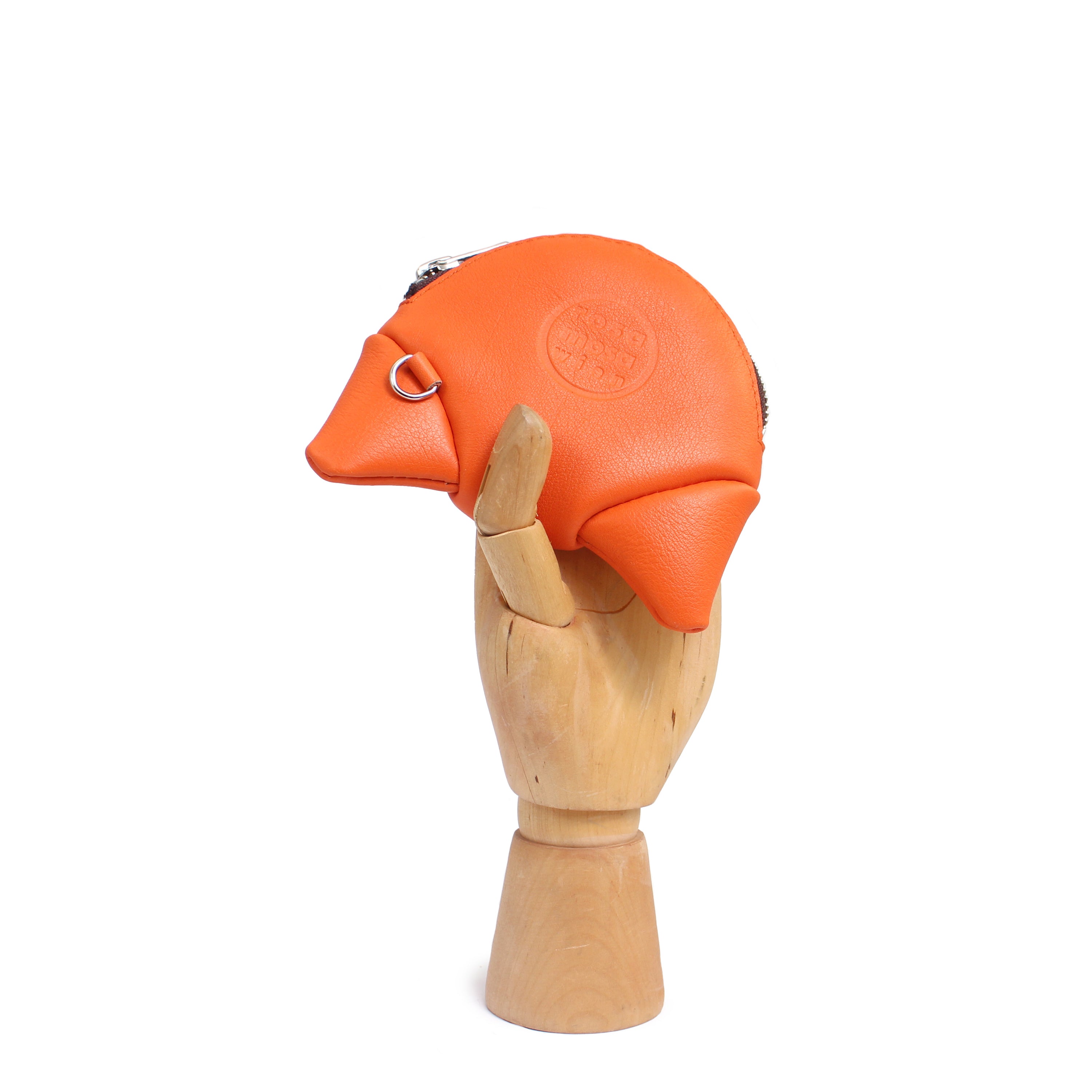
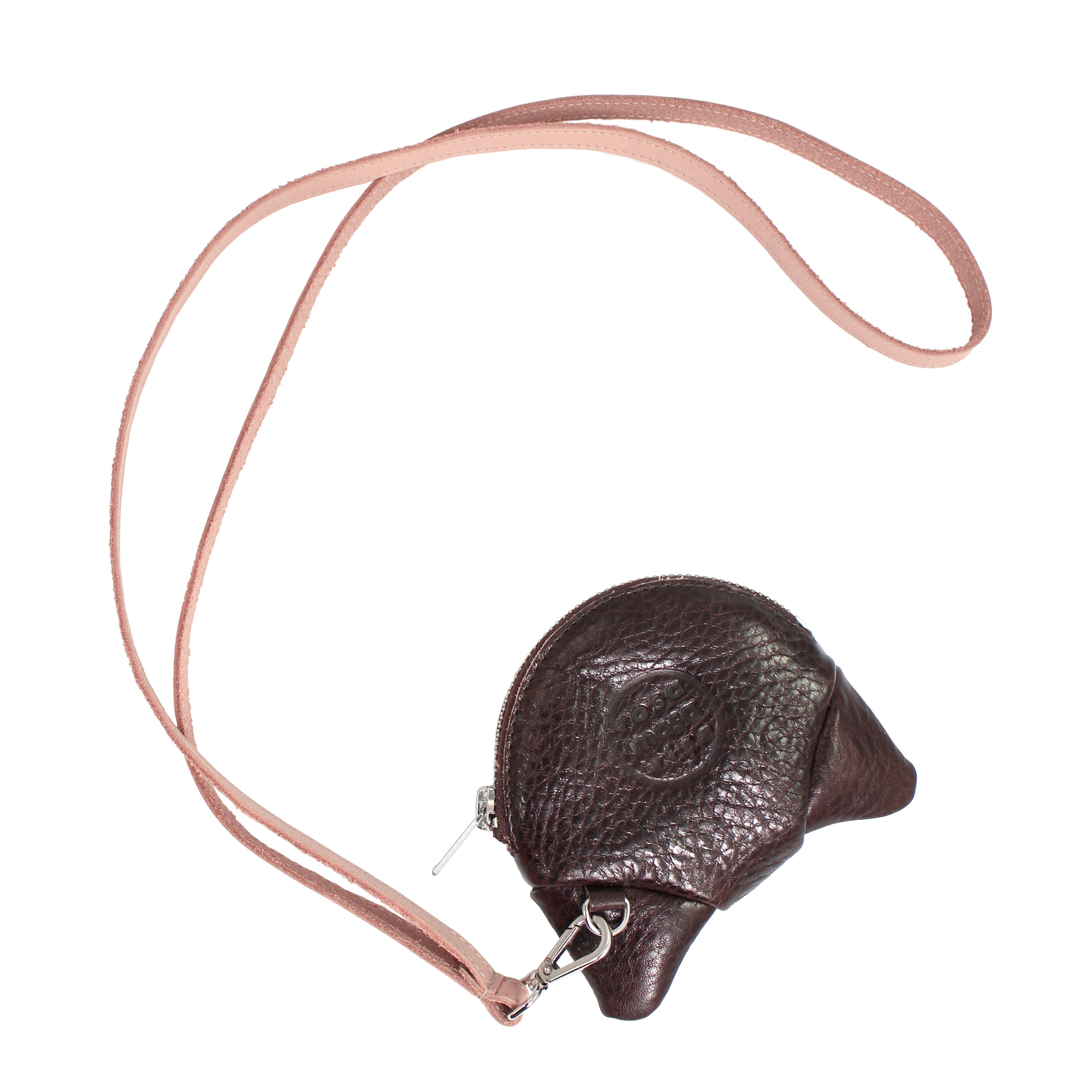
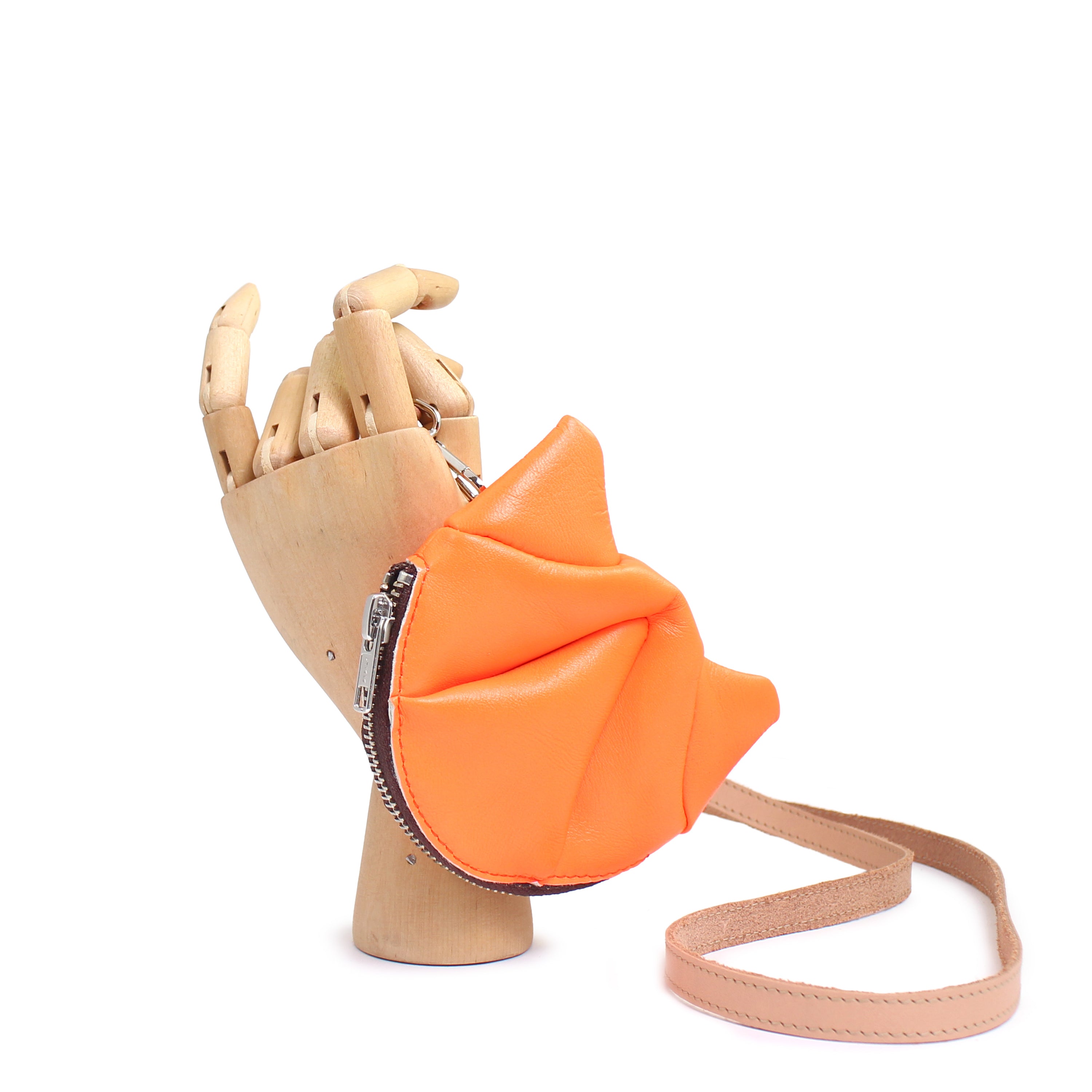
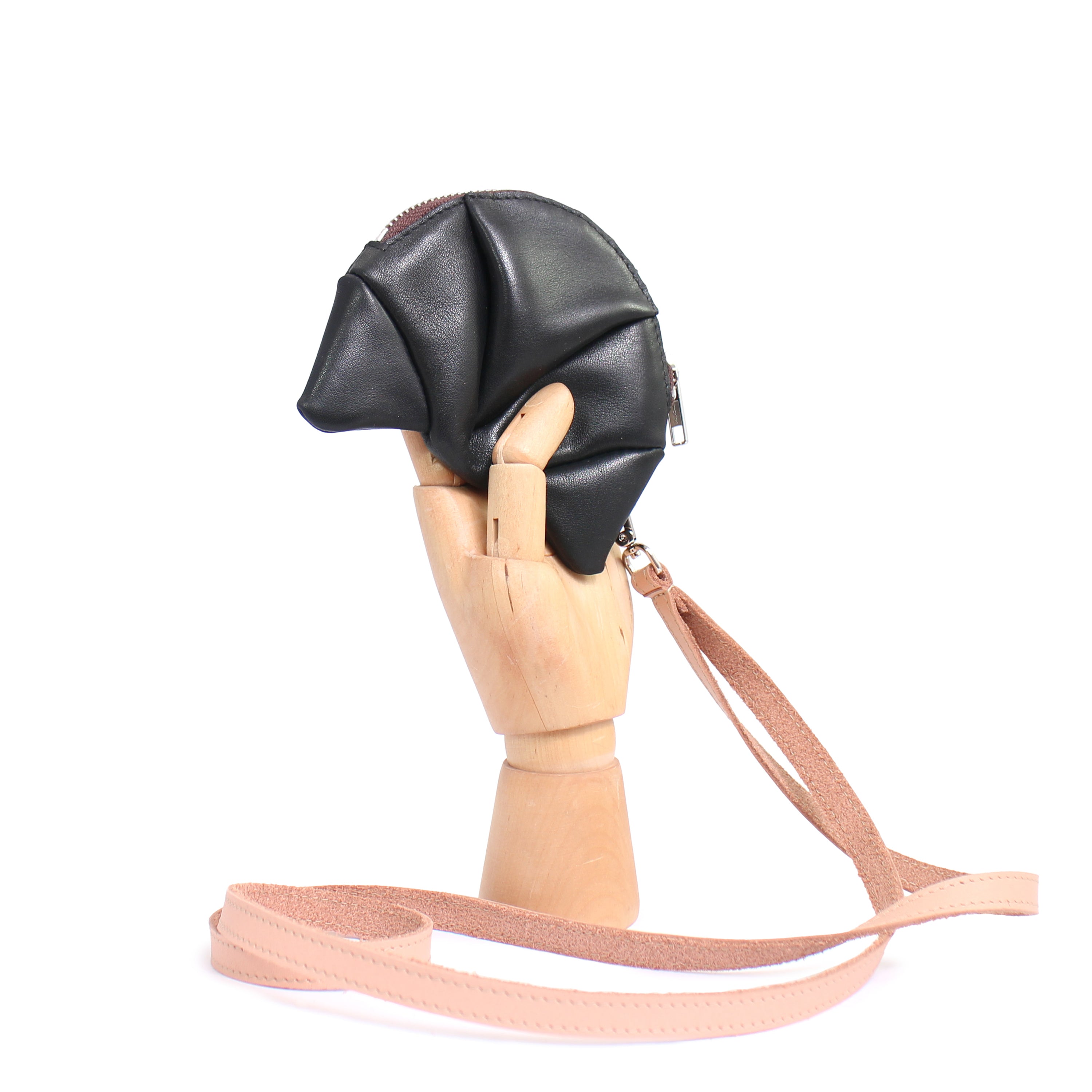
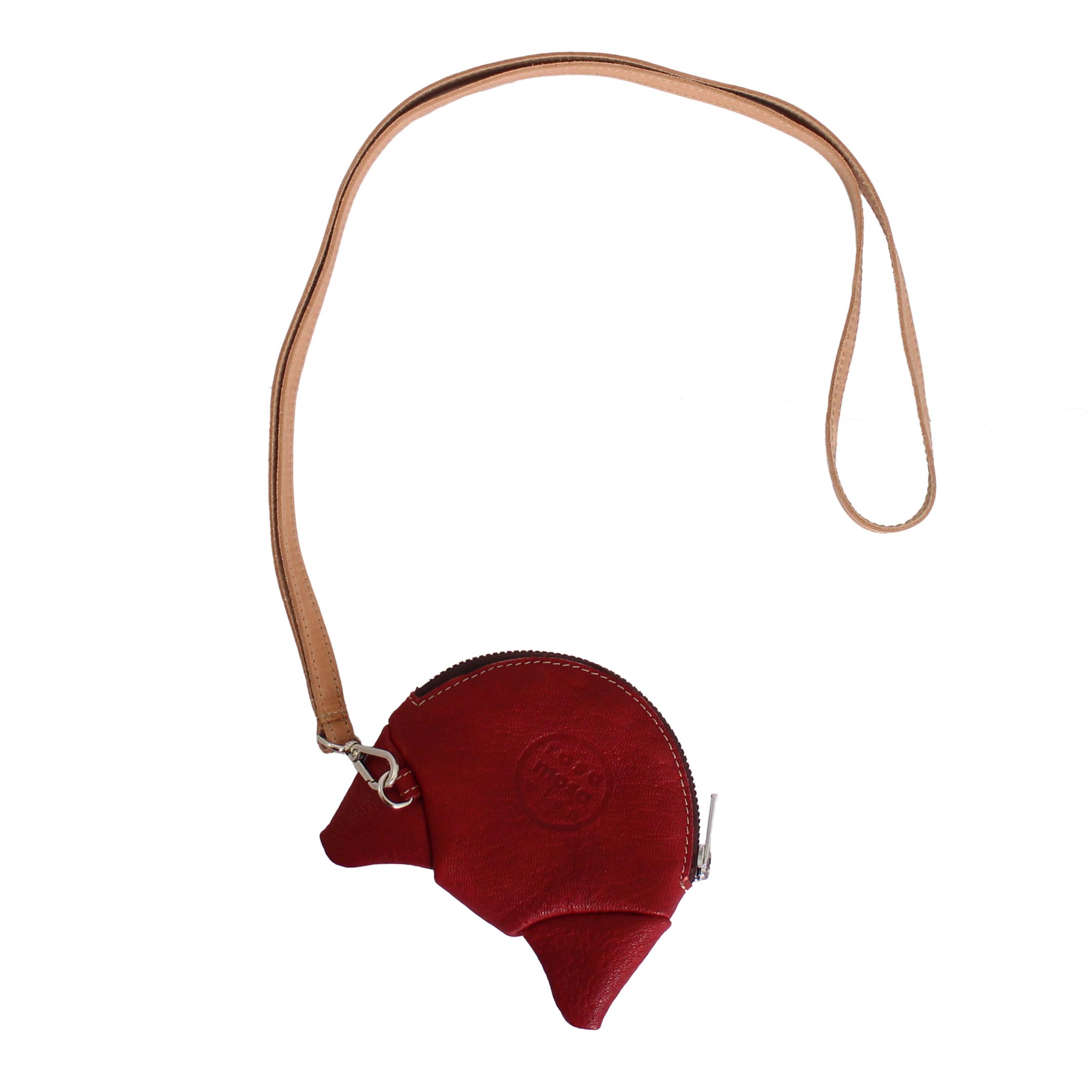
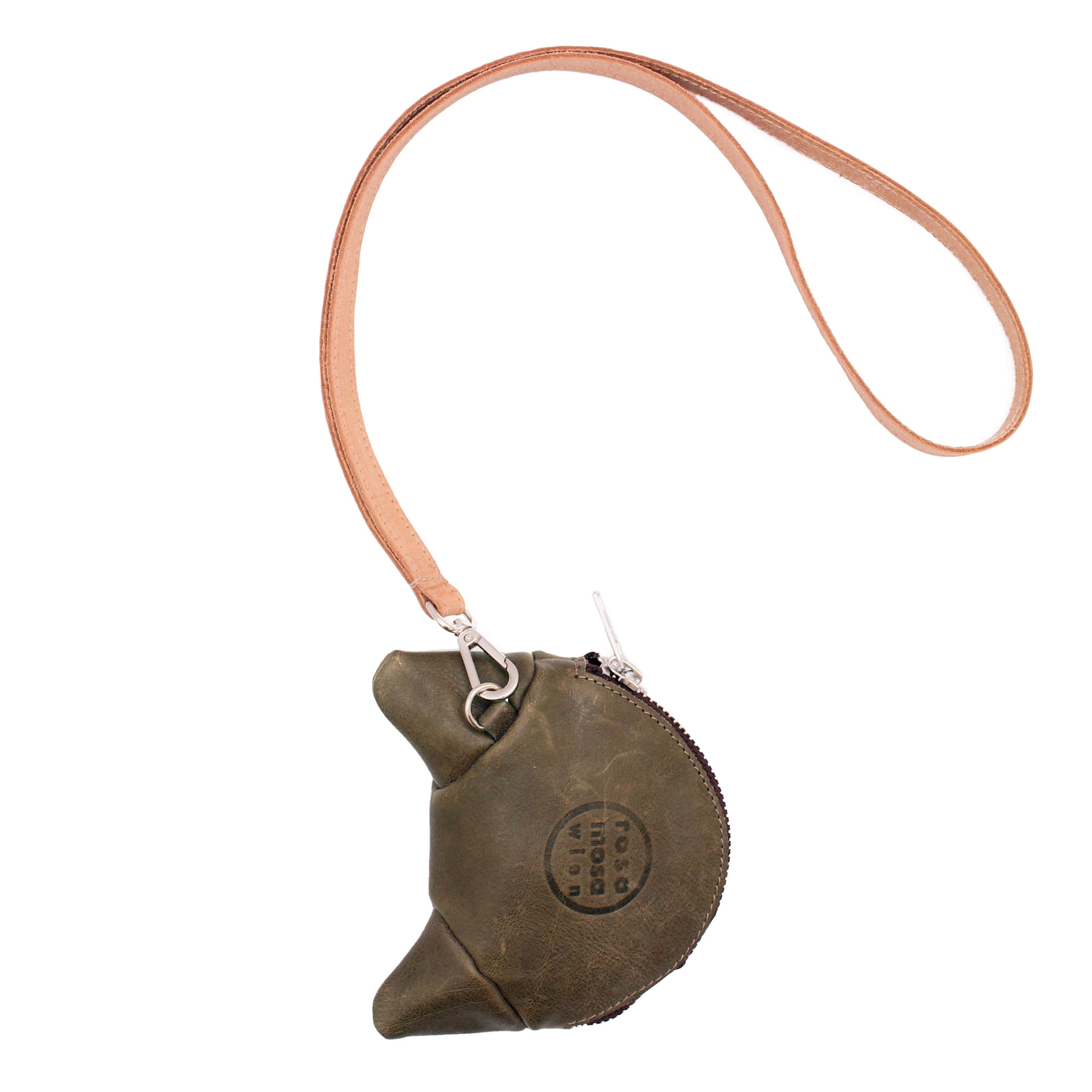
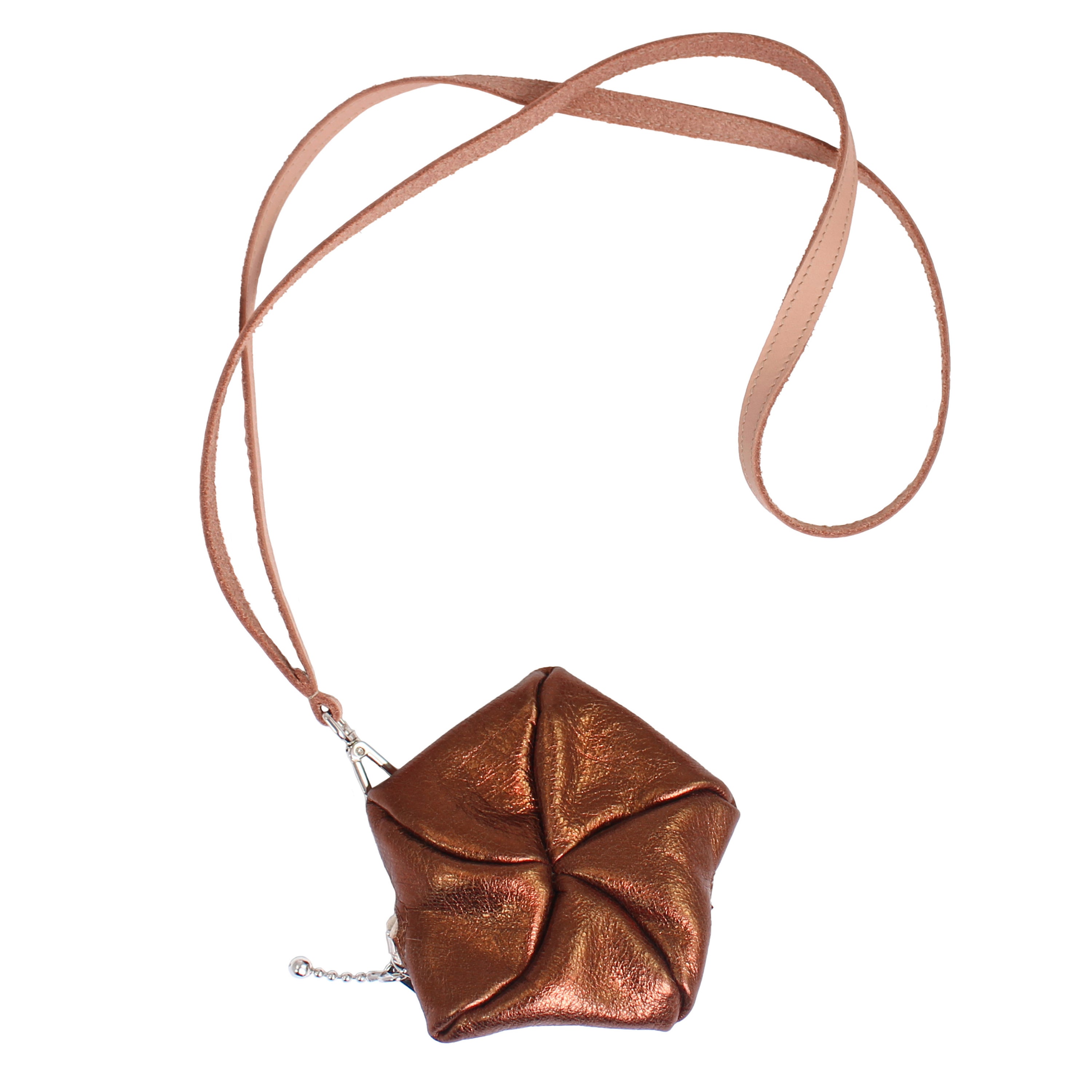
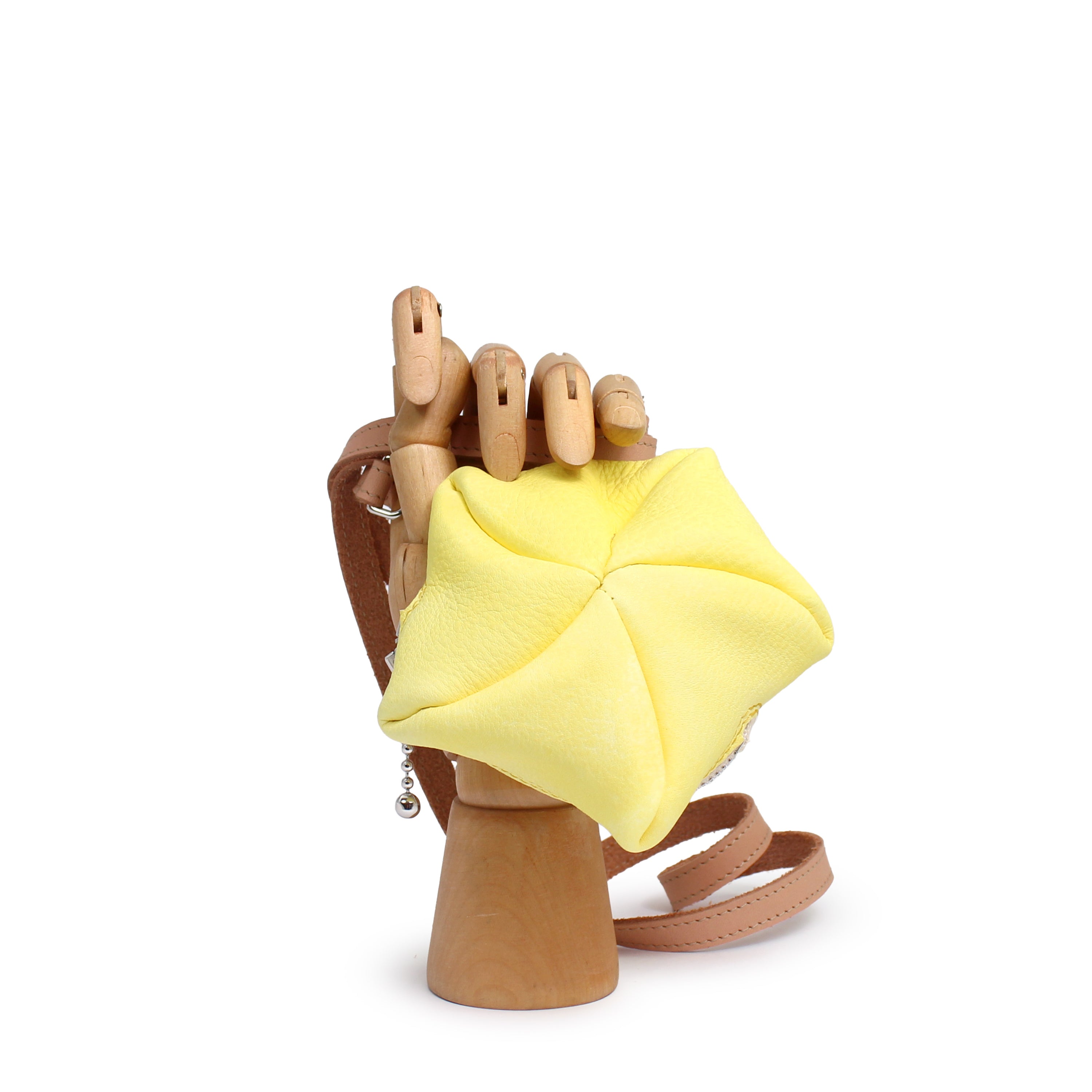
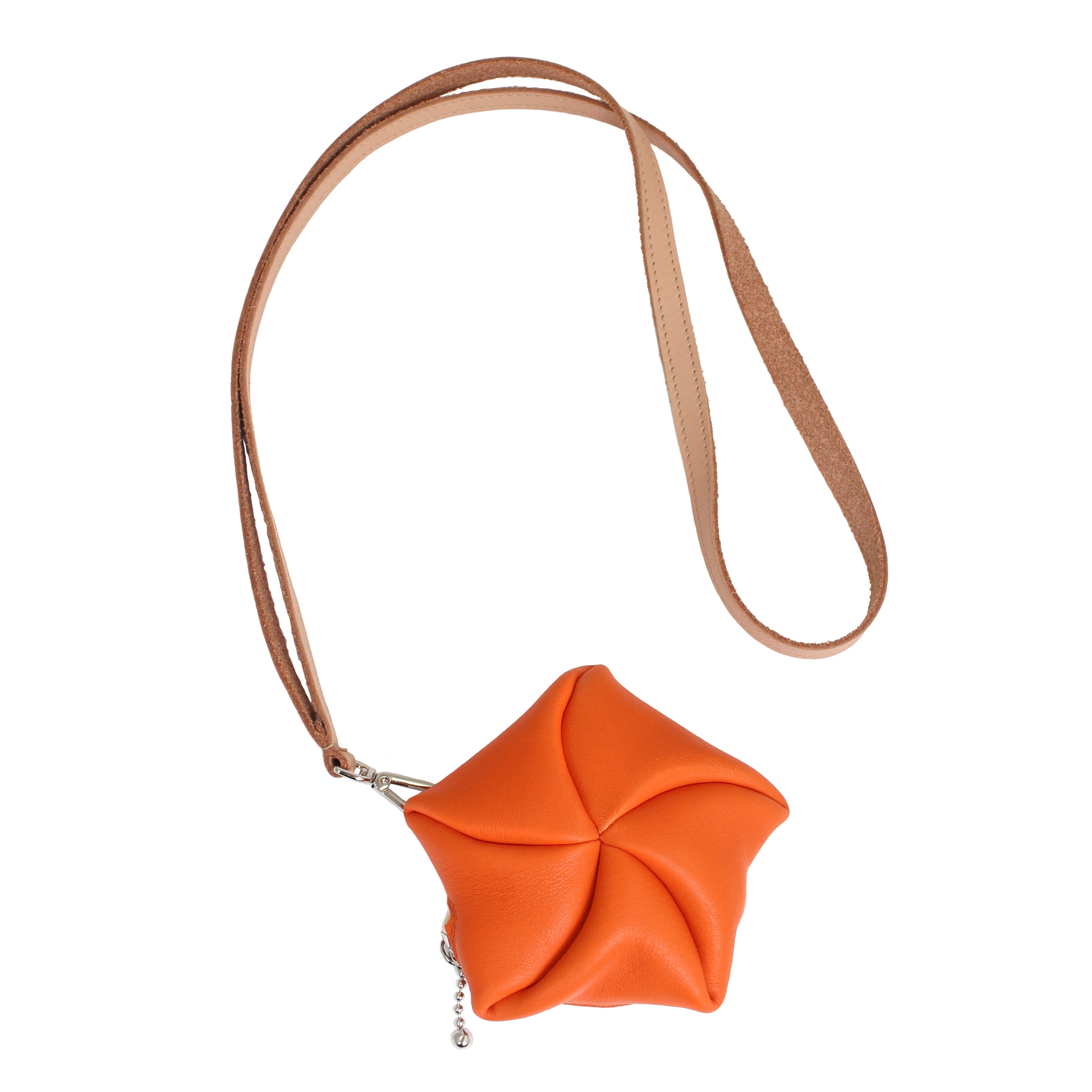
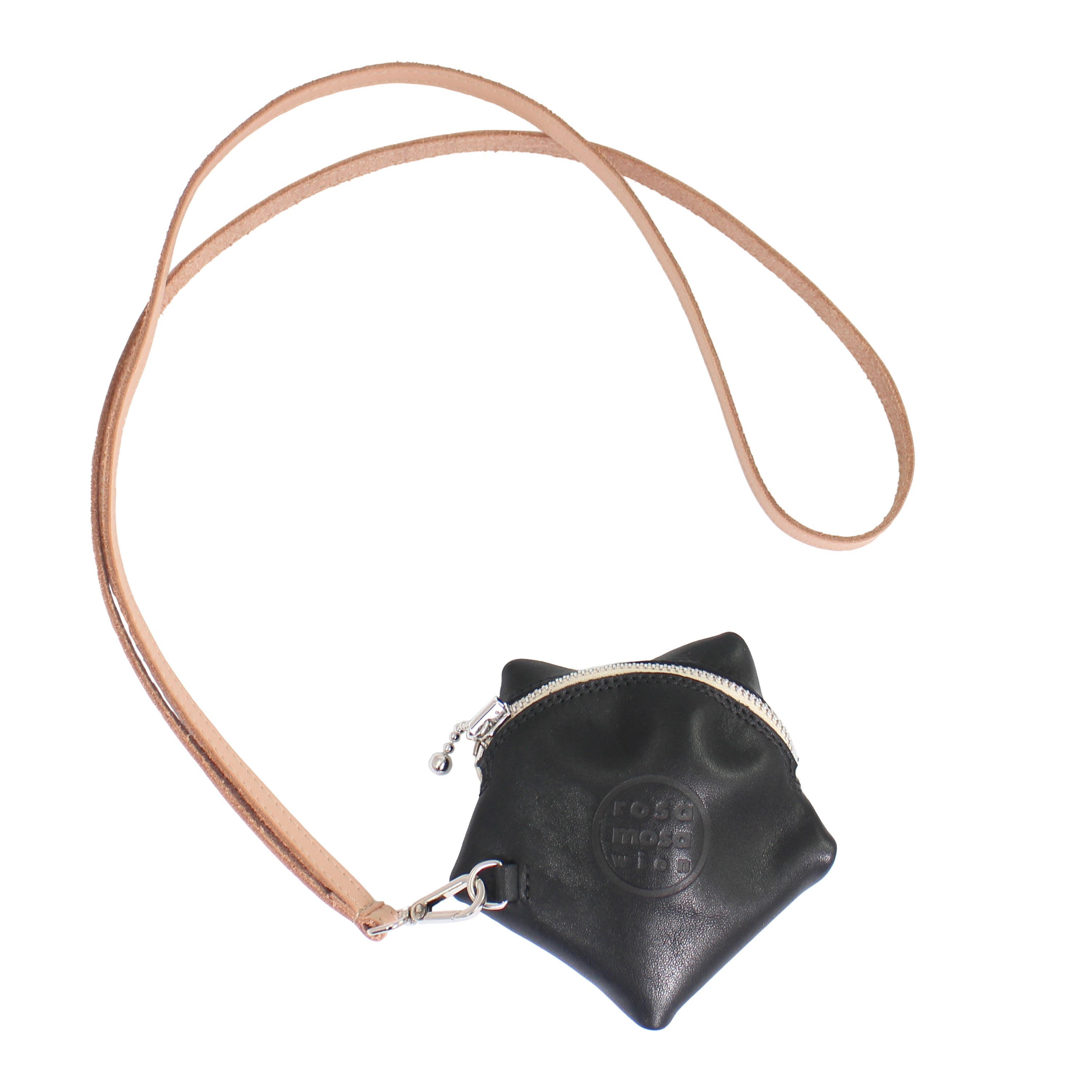
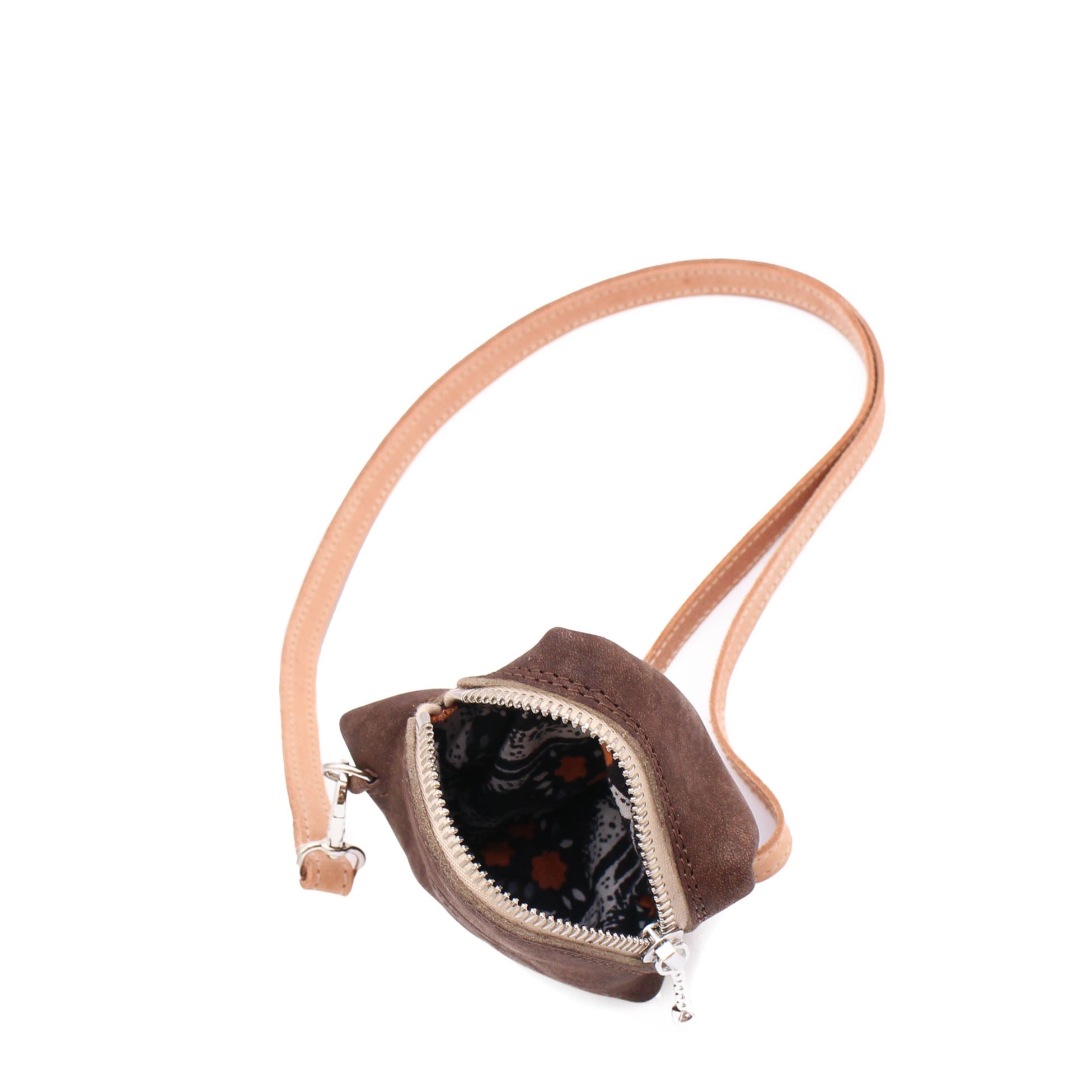
The names reveal our Viennese roots—Croissant and Kaisersemmel, both iconic baked goods from our city, lend their forms to our most distinctive coin cases. These compact leather pieces feature sculptural shapes inspired by pastry folds and crusts, transforming functional necessities into objects with character.
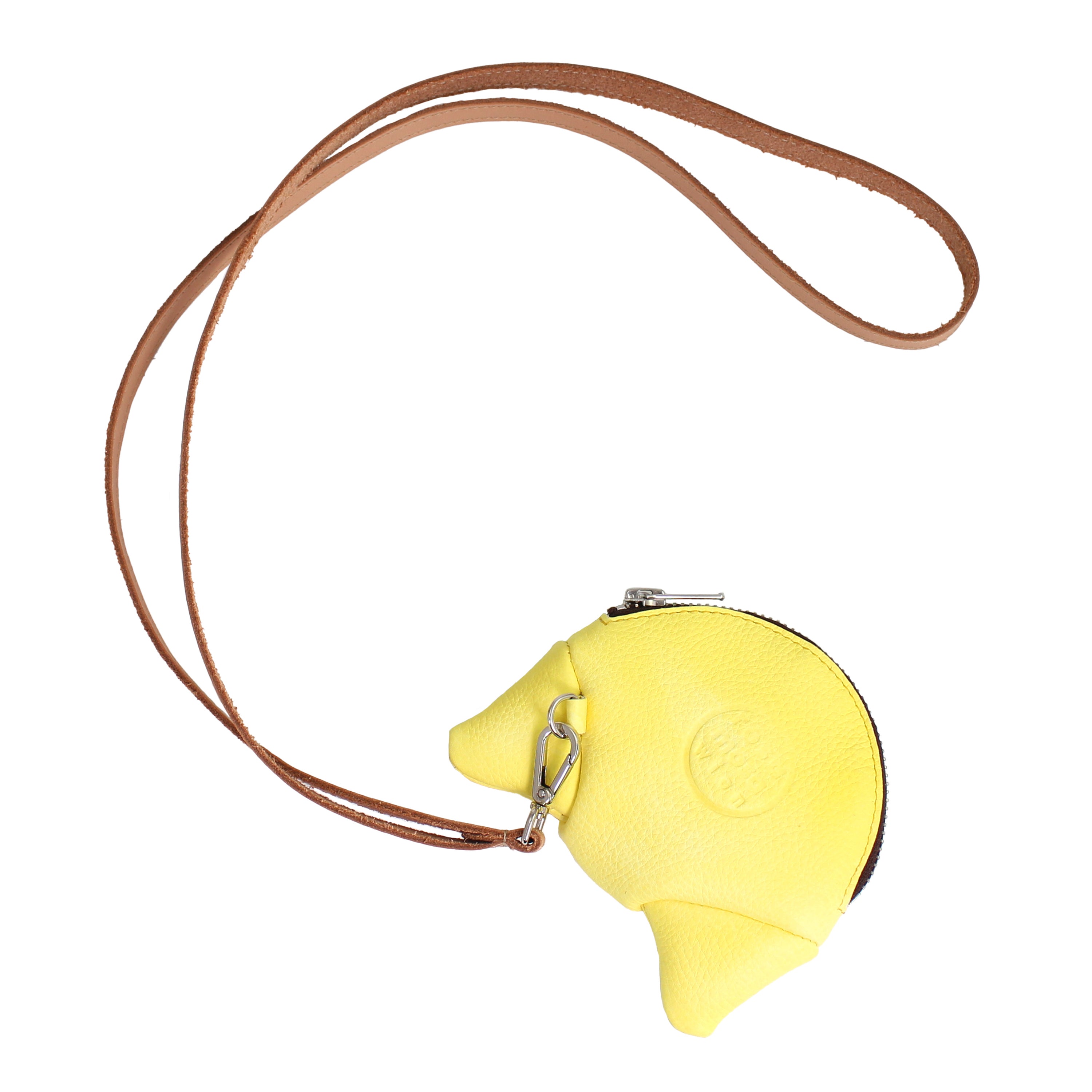
The Croissant Leather Coincase Wallet captures the curved, layered quality of its namesake. Available in an extensive color palette—from bordeaux, cognac, and black to expressive tones like orange, lemon, and pistachio—each piece is crafted from vegetable-tanned leather. The Nubuk variation offers a softer, more matte texture, while finishes like Crack Brown and Glossy Black explore different surface treatments within the same essential form.
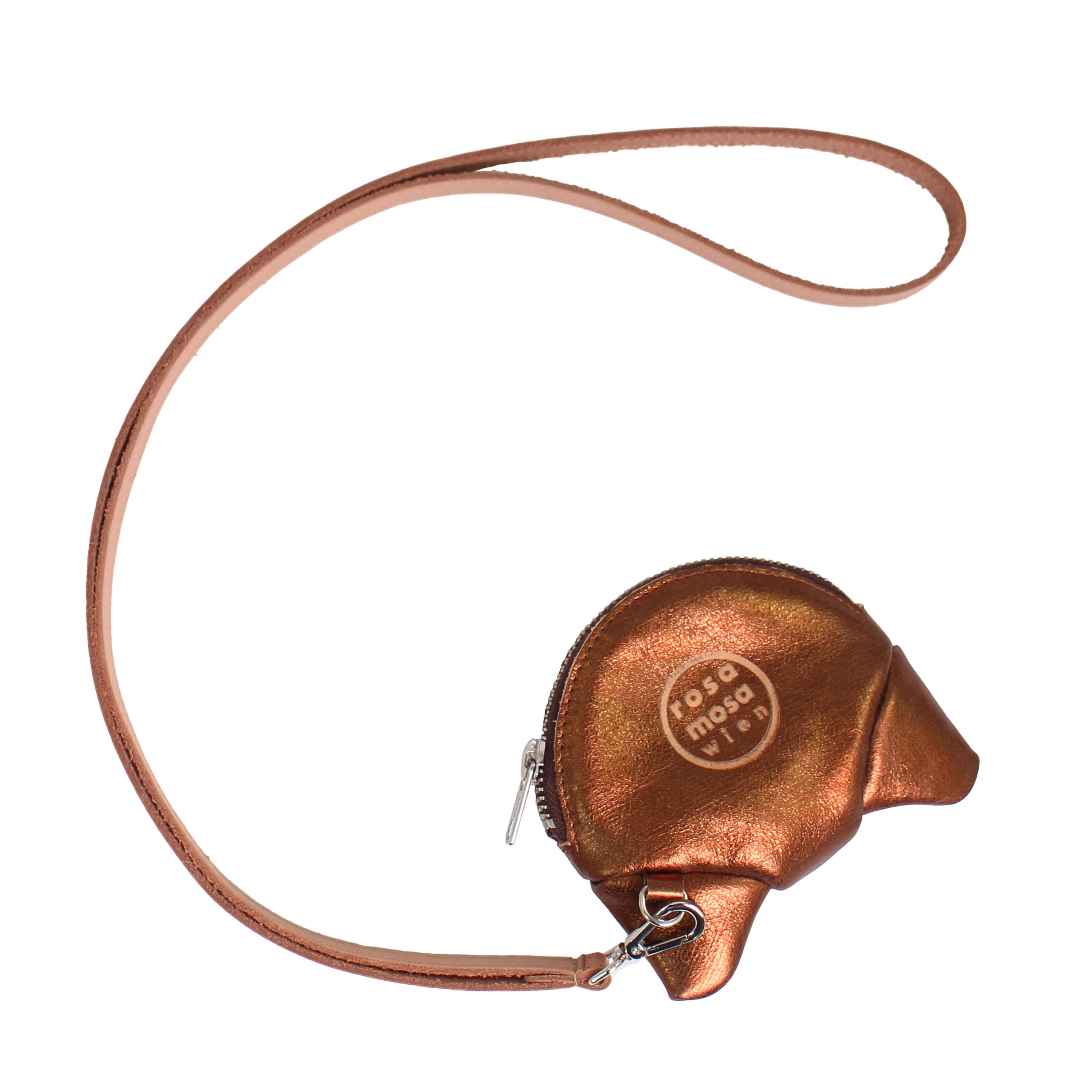
The Kaisersemmel Leather Coincase Wallet takes its cues from the distinctive pattern of Vienna's beloved bread roll. This design offers similar compact functionality in colors including brass, lemon, orange, brown, and black.
Both styles feature leather straps that allow the coin cases to function as small cross-body accessories when needed.
Blueprint wallets
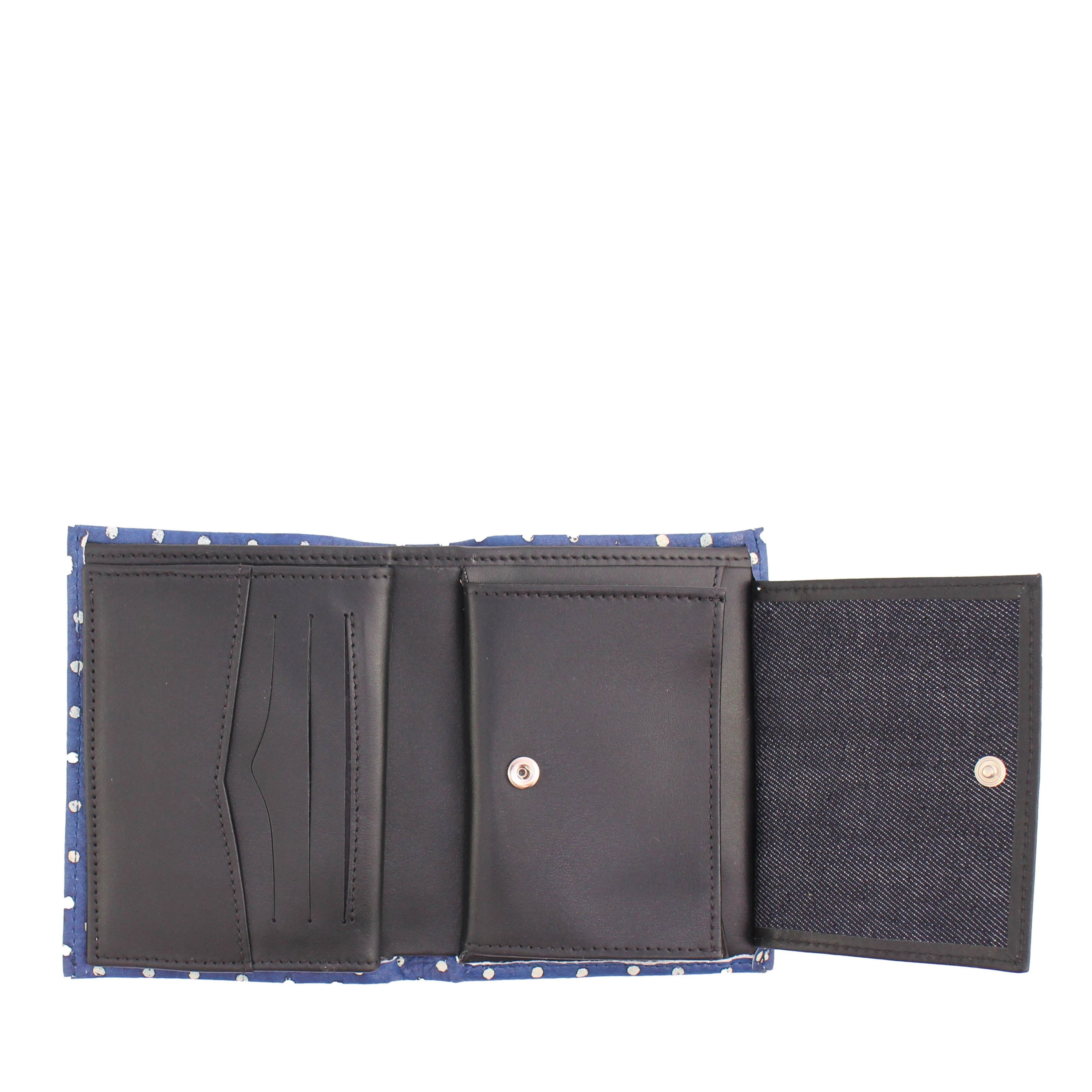
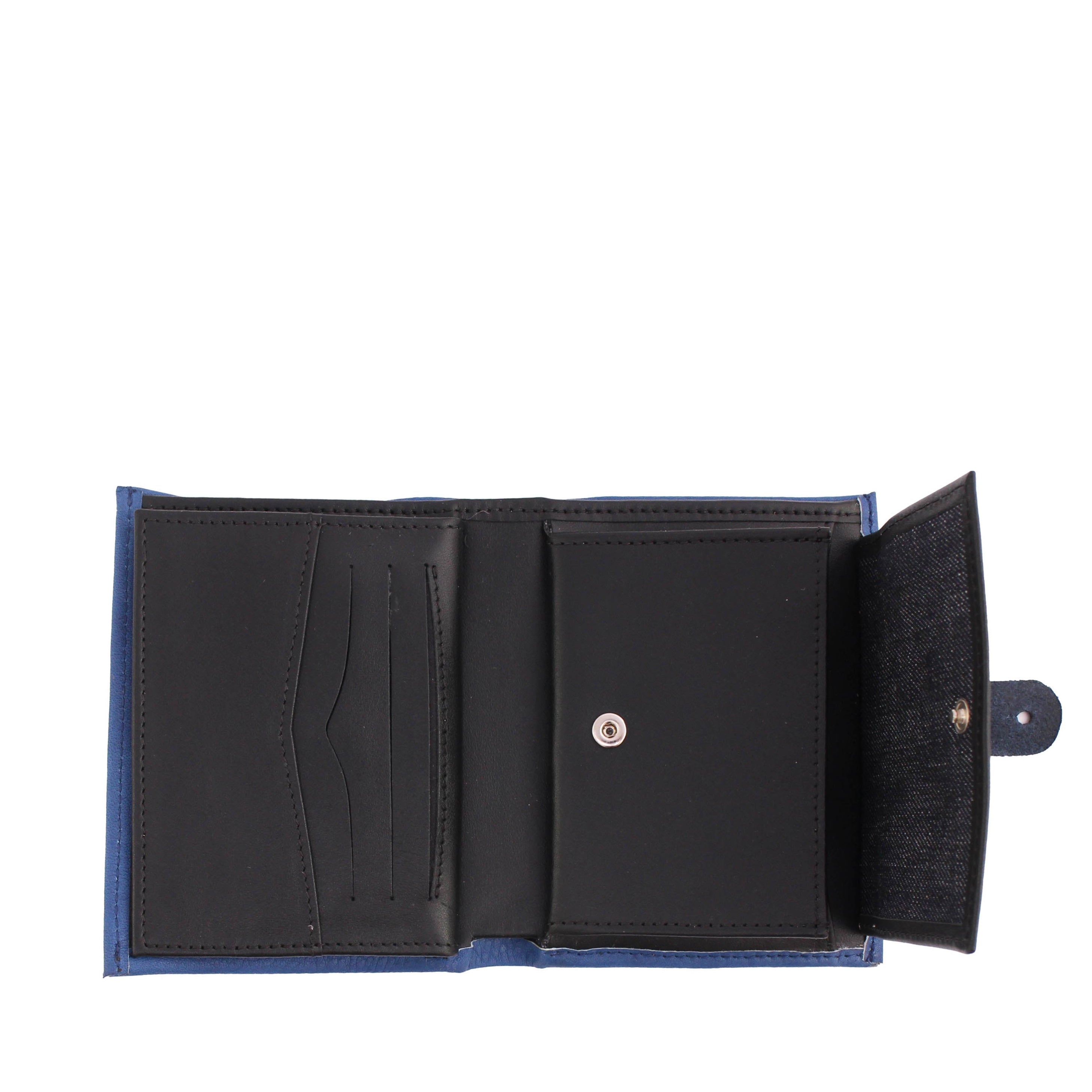
Our Blueprint series including Wallet 8 and Wallet 9 introduces pattern and textiles into the collection. These larger wallets feature distinctive surface treatments: Blueprint Dots, Blueprint Stripe, and Blueprint Uni, each creating visual rhythm through repetition and contrast.
Using traditional blockprint techniques, old wooden stamps apply patterns onto the leather with a specialized paste. The paste dries completely over three weeks before the hides are alternately dipped into indigo dyeing vats and dried—without touching each other—in a process repeated up to ten times depending on the pattern. Sun-drying follows, with exposure to sunlight and oxygen ensuring color fastness. Because this chemical reaction requires warmer temperatures, production is limited to May through October. The entire process takes over a month.
These pieces represent a different construction approach from the leather coin cases, exploring how pattern and material combinations can create wallets that feel both structured and flexible. The Blueprint series demonstrates our interest in graphic elements alongside the more sculptural leather forms.
Materials & construction
Leather forms the foundation of most pieces in our wallet collection. It ages distinctively, darkening and developing character through daily contact with hands, coins, and cards.
The stitching is visible but minimal, revealing rather than concealing how pieces are assembled. We use hardware sparingly—snaps, zippers, and clasps appear only where function demands them.
The extensive color range, particularly visible in the Croissant and Kaisersemmel series, demonstrates how the same base accepts different dyes and finishes. From neutral earth tones to vibrant colors like orange and lemon, each color develops its own aging characteristics, the dye interacting with natural oils and light exposure to create unique wear patterns over time.
Size & practicality
Our coin cases prioritize compact dimensions—pieces that fit comfortably in pockets or bags, accessible when needed but unobtrusive when not in use. The optional strap transforms these from purely pocket items into small cross-body accessories, useful for situations where you want hands-free access to essentials without carrying a full bag.
The Blueprint wallets offer more capacity alongside compartments for bills and coins. These fuller-sized pieces work across contexts—formal enough for professional settings, casual enough for daily wear, organized enough for travel.
Care & longevity
Leather accessories require minimal maintenance but benefit from occasional attention. Wipe away dirt or dust with a soft cloth, apply leather cream or wax sparingly when the material seems dry, and allow pieces to develop their natural patina. The leather will darken and soften with handling.
Vibrant colors like lemon or orange will show this evolution most noticeably, the dyes interacting with the leather's natural aging process. Neutral tones like brown and cognac develop more subtle depth. Both approaches create wallets that tell the story of their use.
FAQs (Frequently Asked Questions)
What's the difference between Croissant and Kaisersemmel coin cases?
Both styles are compact leather coin cases with optional straps, but they differ in their sculptural references and surface details. The Croissant takes inspiration from the curved, layered form of the pastry, while the Kaisersemmel references the distinctive pattern of Vienna's traditional bread roll. Both are available in multiple colors and share similar functionality.
How much can the coin cases hold?
These compact pieces are designed for essentials—coins, folded bills, and a few cards. They prioritize minimal bulk over maximum capacity, making them ideal for those who prefer to carry only what's necessary or as a complement to a larger wallet.
Can I use the coin case strap as a cross-body bag?
Yes. The strap allows the Croissant and Kaisersemmel coin cases to function as small cross-body accessories, keeping essentials accessible while leaving your hands free. This makes them particularly practical for markets, festivals, or situations where you don't want to carry a full bag.
How long do leather wallets last?
With proper care, vegetable-tanned leather wallets can last decades. The material becomes more supple over time while maintaining its structural integrity. Unlike synthetic alternatives that degrade and crack, natural leather adapts and ages, developing character rather than deteriorating.
Do leather wallets need breaking in?
Our vegetable-tanned leather wallets are structured yet soft from the start. While they may require a brief breaking-in period as the leather molds to your handling patterns, this typically takes only a few weeks of regular use, after which the wallet becomes increasingly comfortable and personalized to your needs.
Will the leather color change over time?
Vegetable-tanned leather darkens naturally through exposure to light, air, and the oils from your hands. This patina development is one of the material's distinctive characteristics—each wallet ages uniquely based on how and where you use it. Brighter colors like lemon or rose will show more dramatic evolution than neutral tones.
How to care for vegetable-tanned leather wallets?
Vegetable-tanned leather requires minimal maintenance. Wipe away dirt with a soft cloth, apply leather cream or wax occasionally when the material feels dry, and allow it to develop its natural patina. Avoid prolonged exposure to water, and if the wallet gets wet, let it dry naturally at room temperature—never near direct heat.
Where does the leather for the wallets and coin cases come from?
We use vegetable-tanned leather from Italy. You can find detailed information about the specific materials on individual product pages. The tanning process uses natural materials rather than chemicals, resulting in leather that ages beautifully and responds to use.