Our Approach
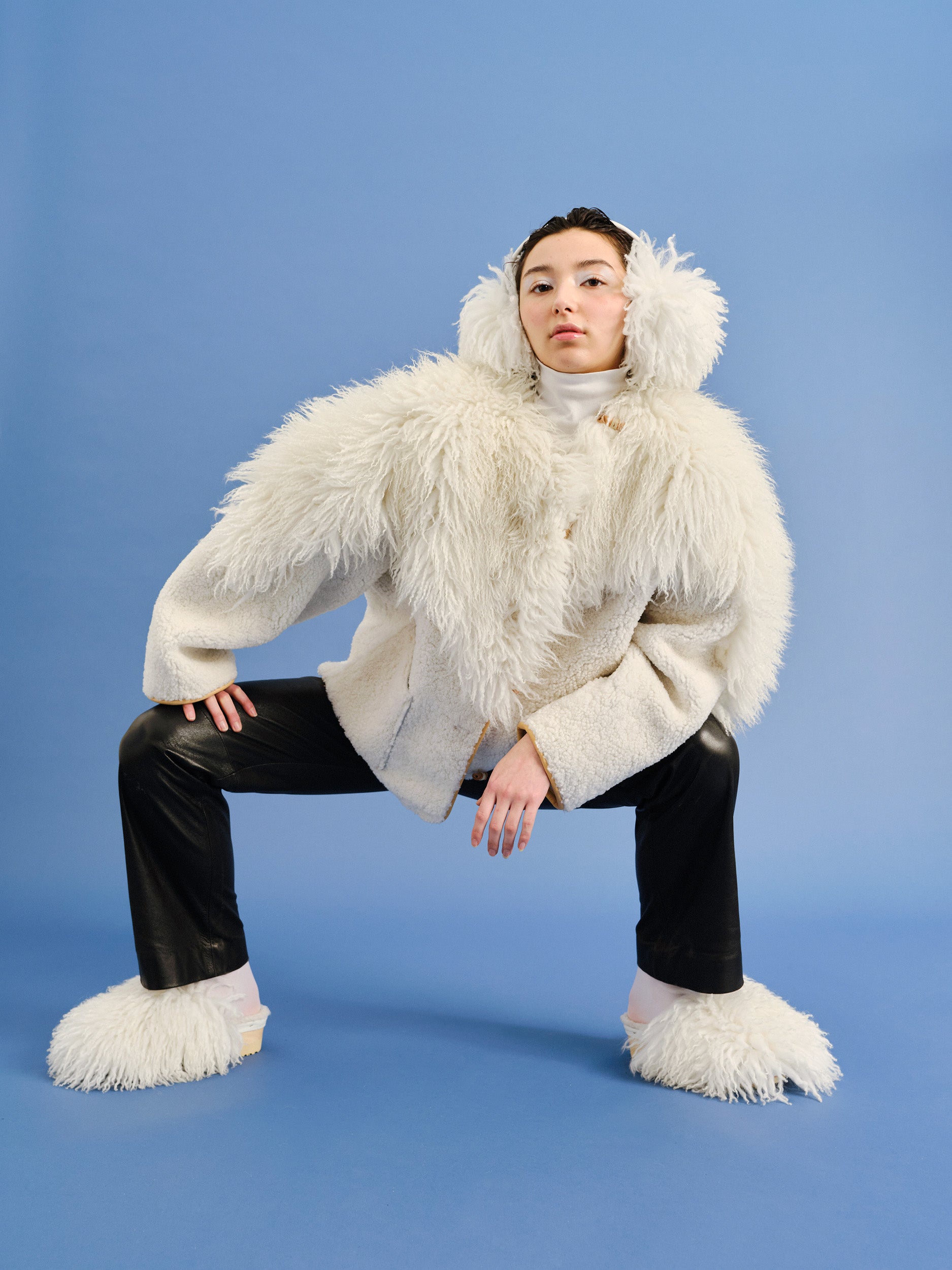
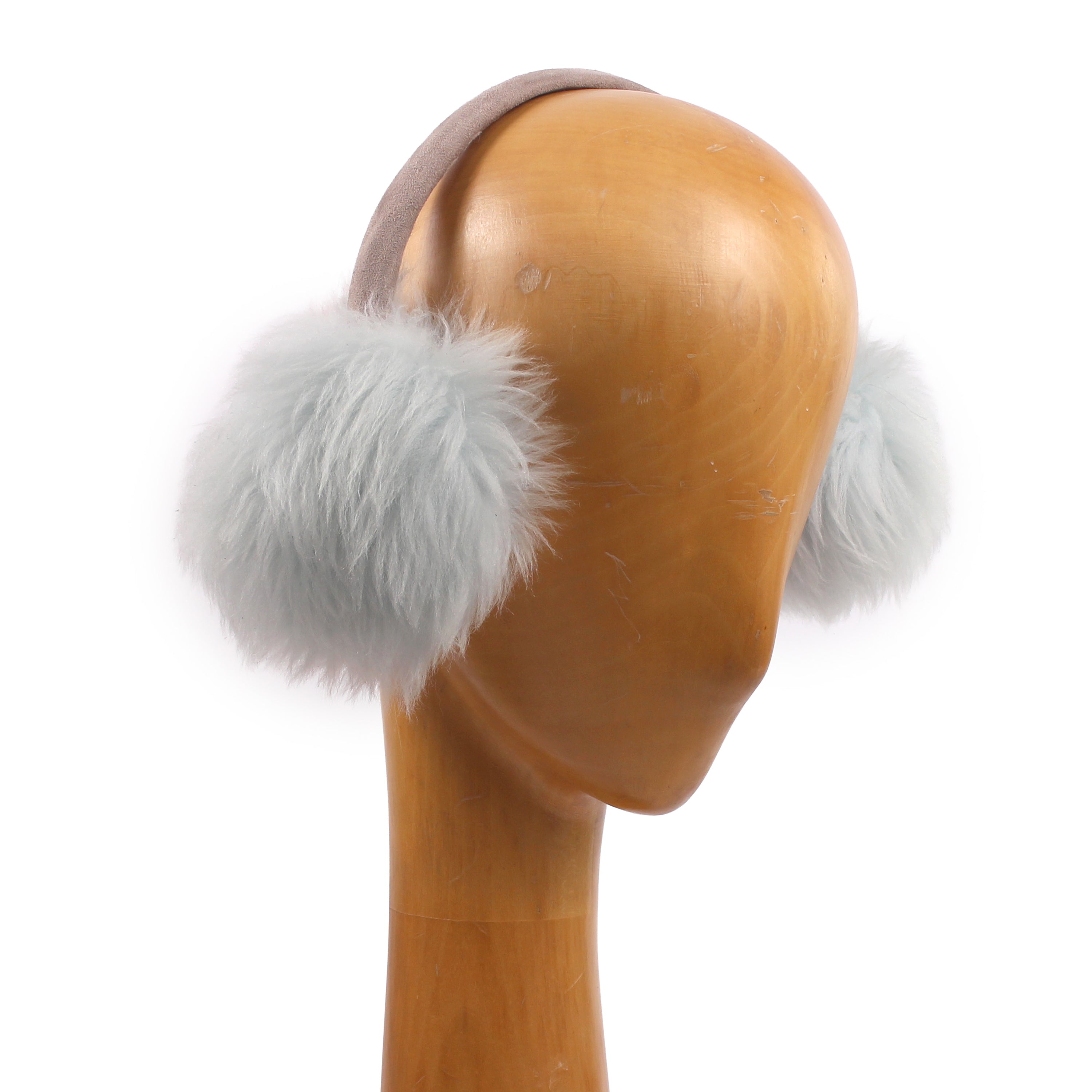
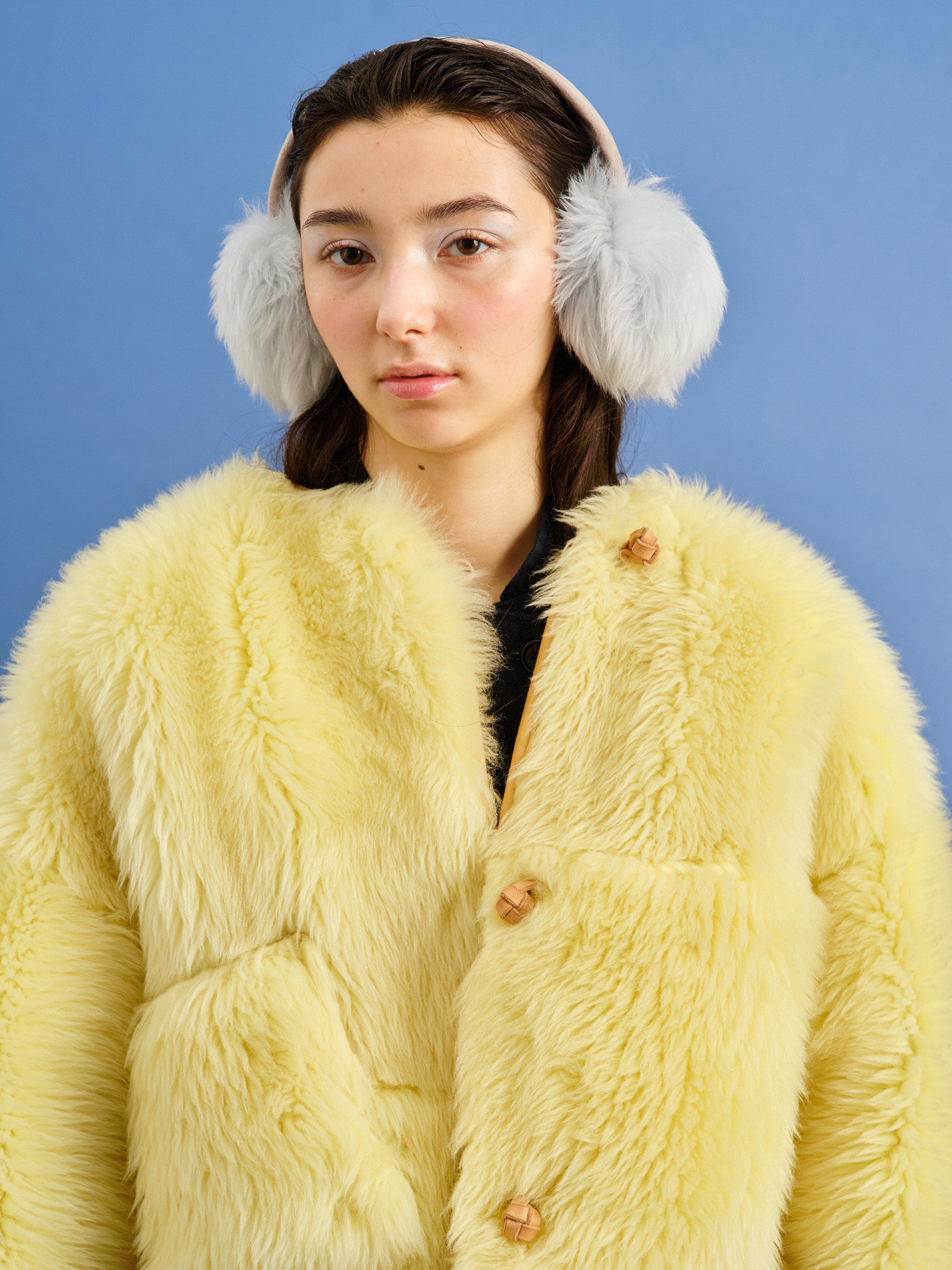
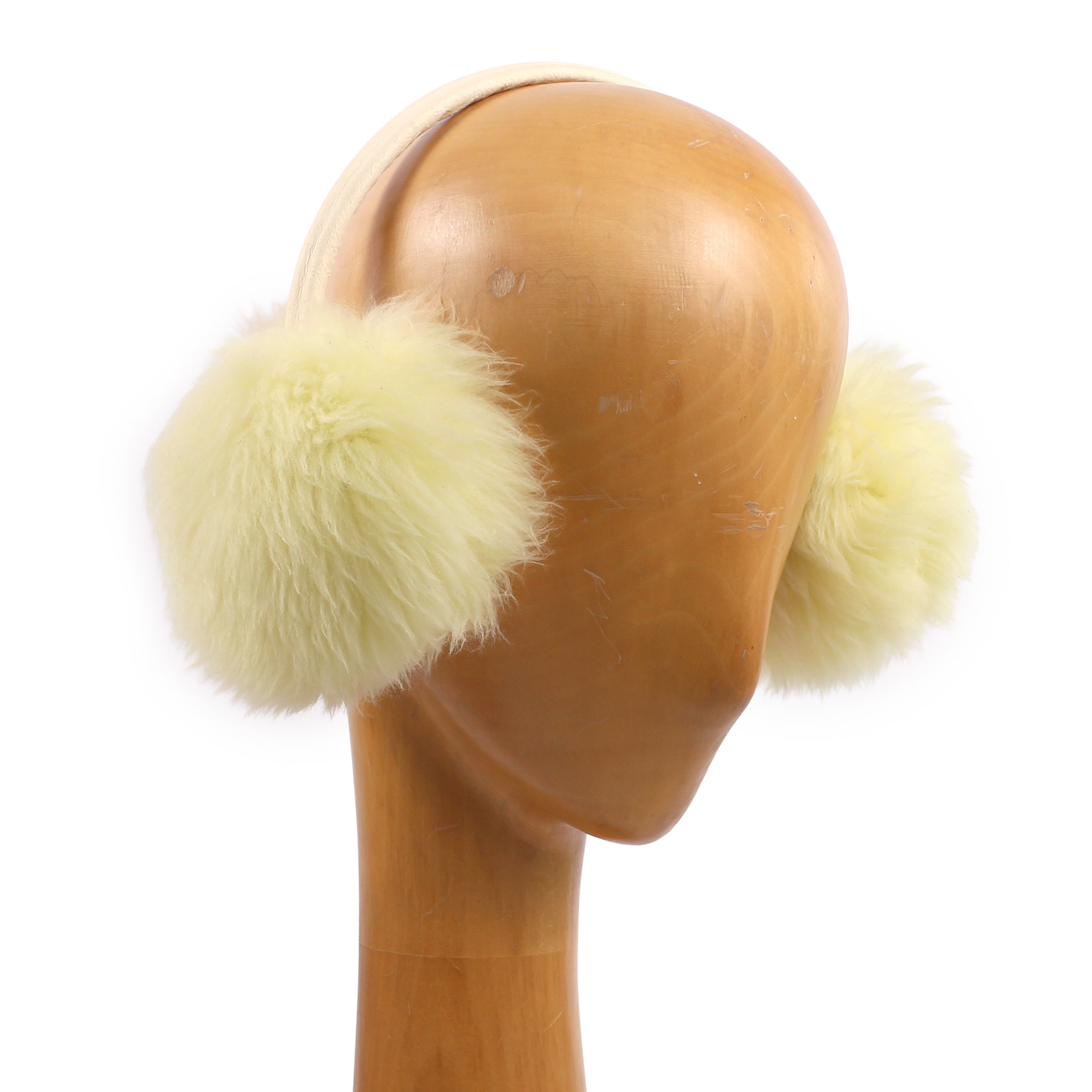
Rosa mosa approaches hats and scarves with the same sculptural thinking that shapes our footwear. Founded by Japanese-Austrian design duo Simone Springer and Yuji Mizobuchi, we develop accessories through collaborations with specialized makers, creating pieces that combine traditional techniques with contemporary design.
Hats
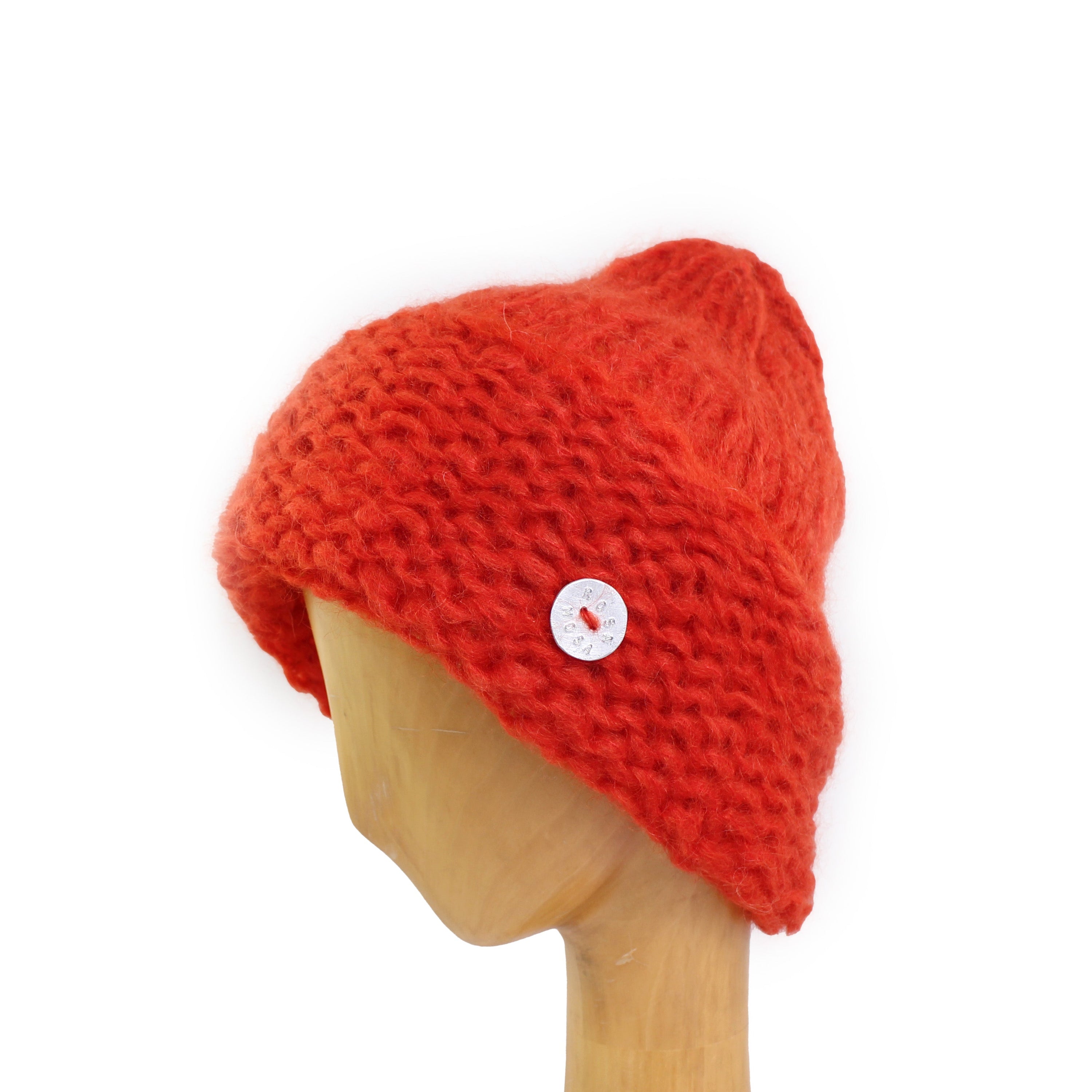
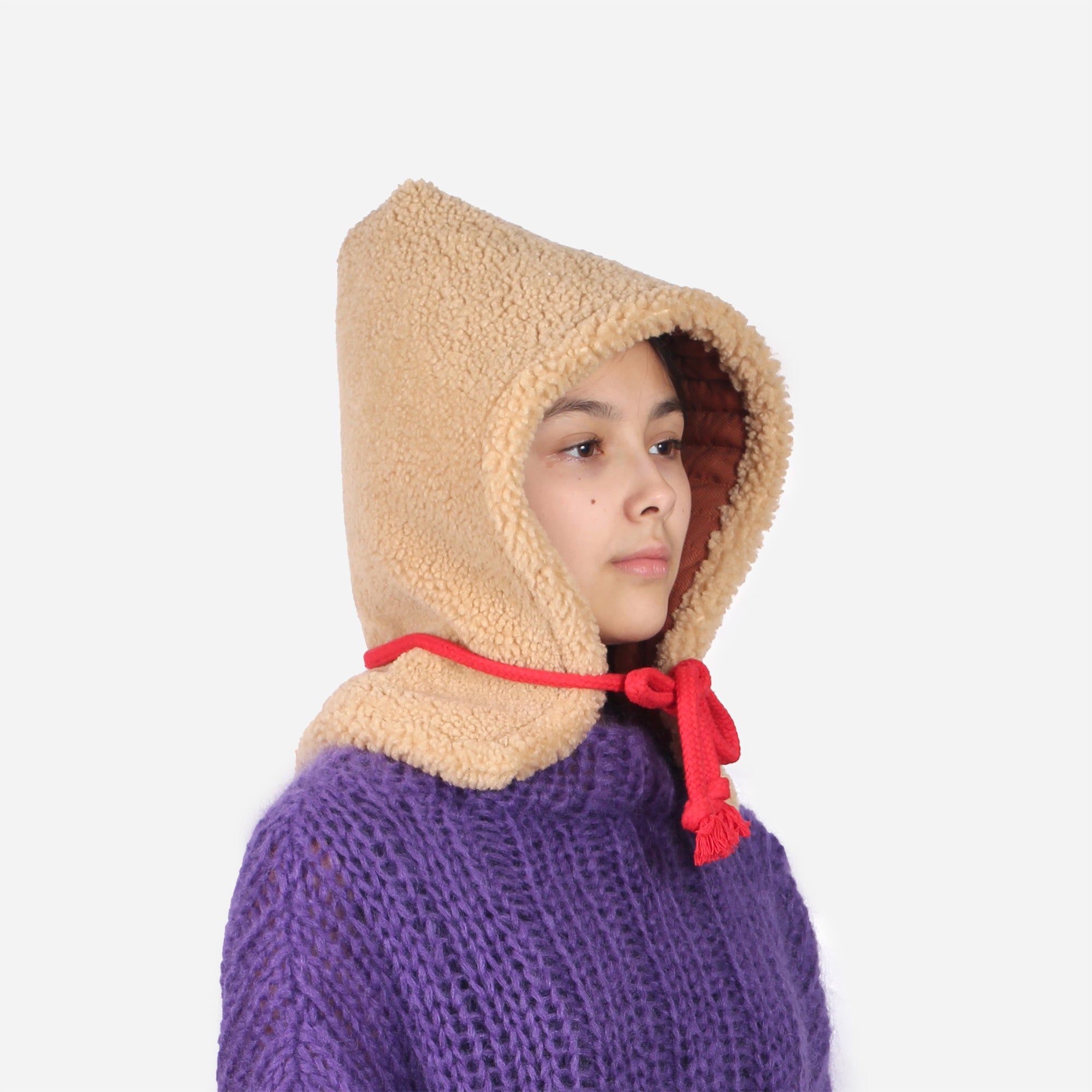
Our hat collection explores different construction approaches. Hand-knitted pieces from Sarajevo emphasize sculptural forms while maintaining practical warmth. These pieces feel exceptionally light yet provide substantial insulation, with enough volume to accommodate various head shapes and hairstyles.
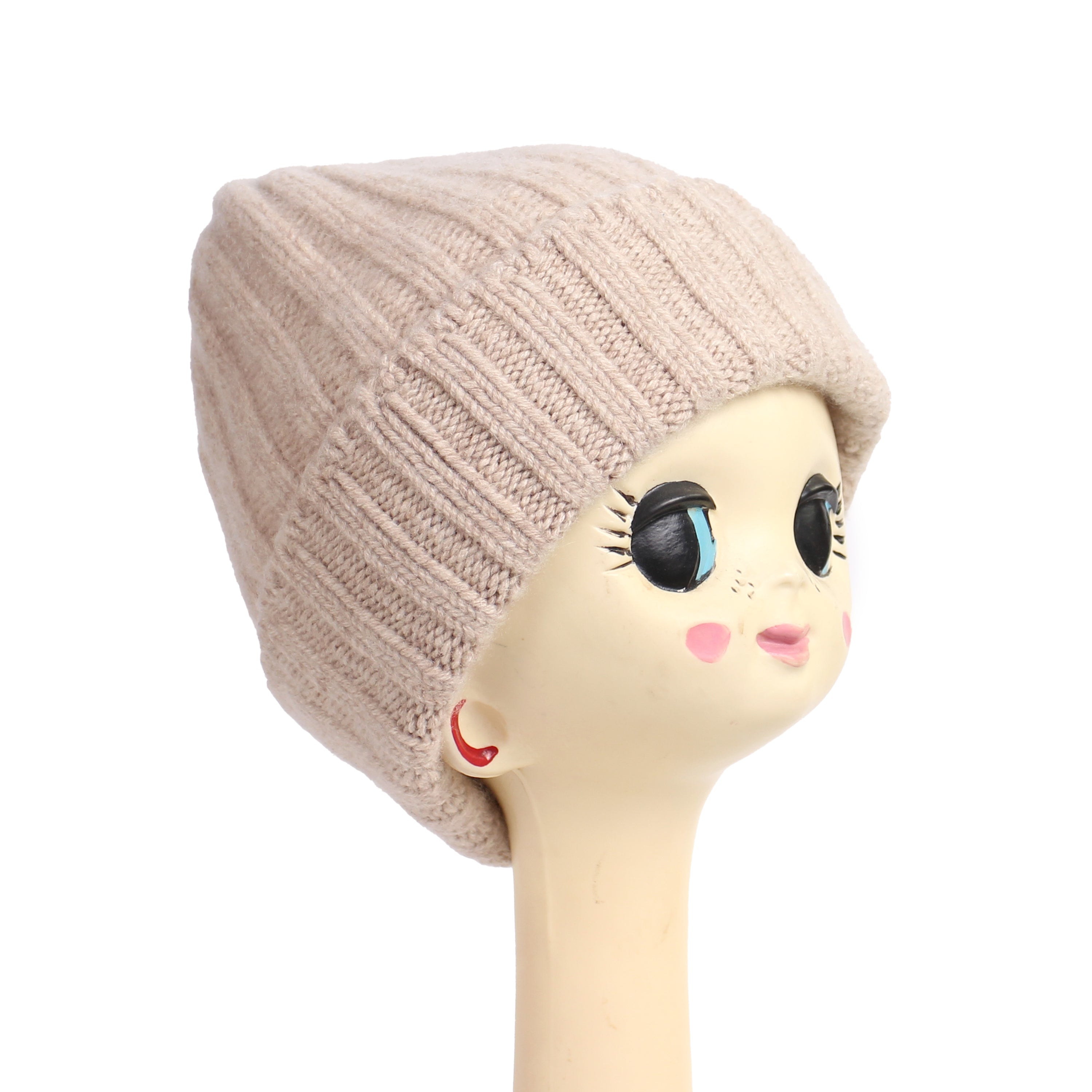
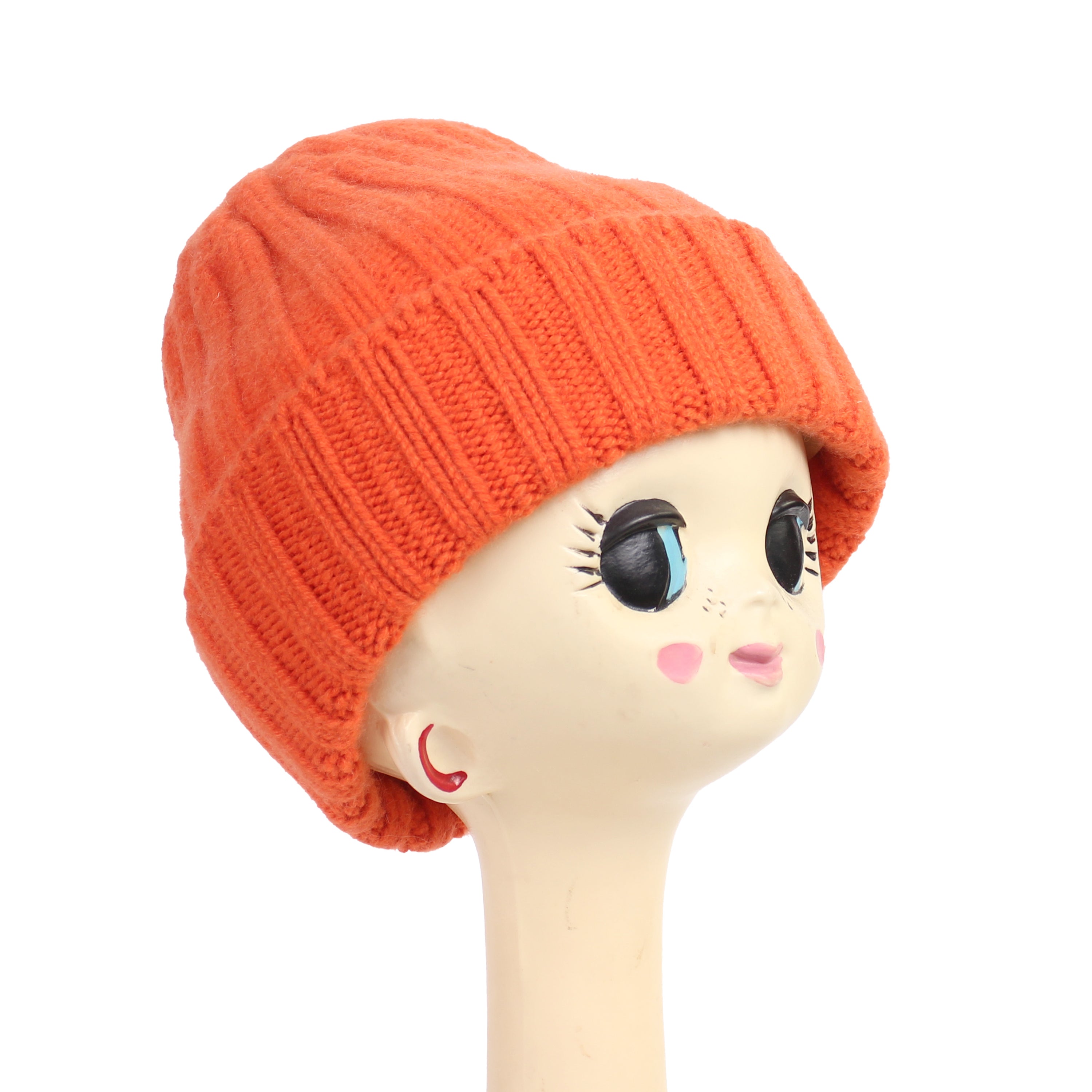
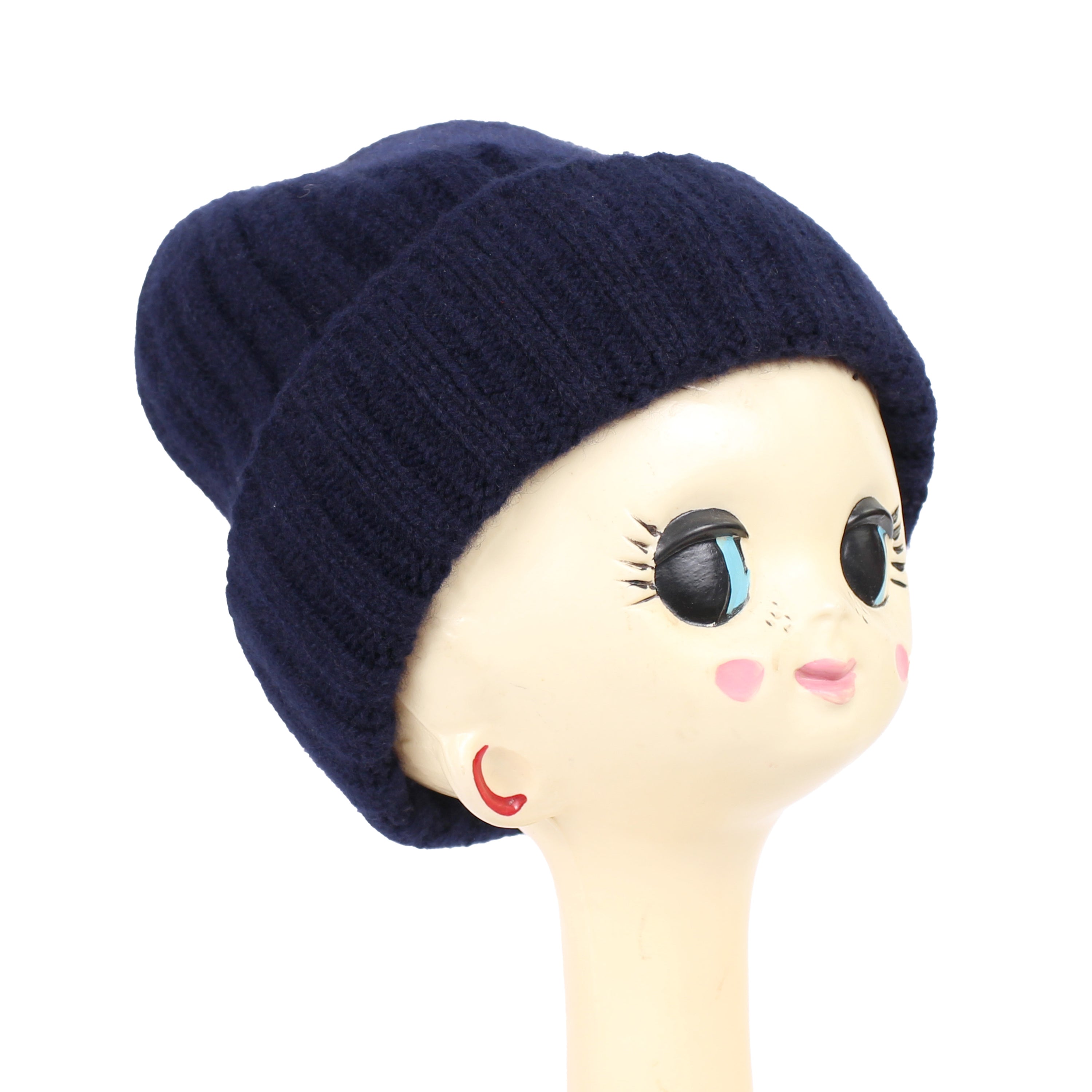
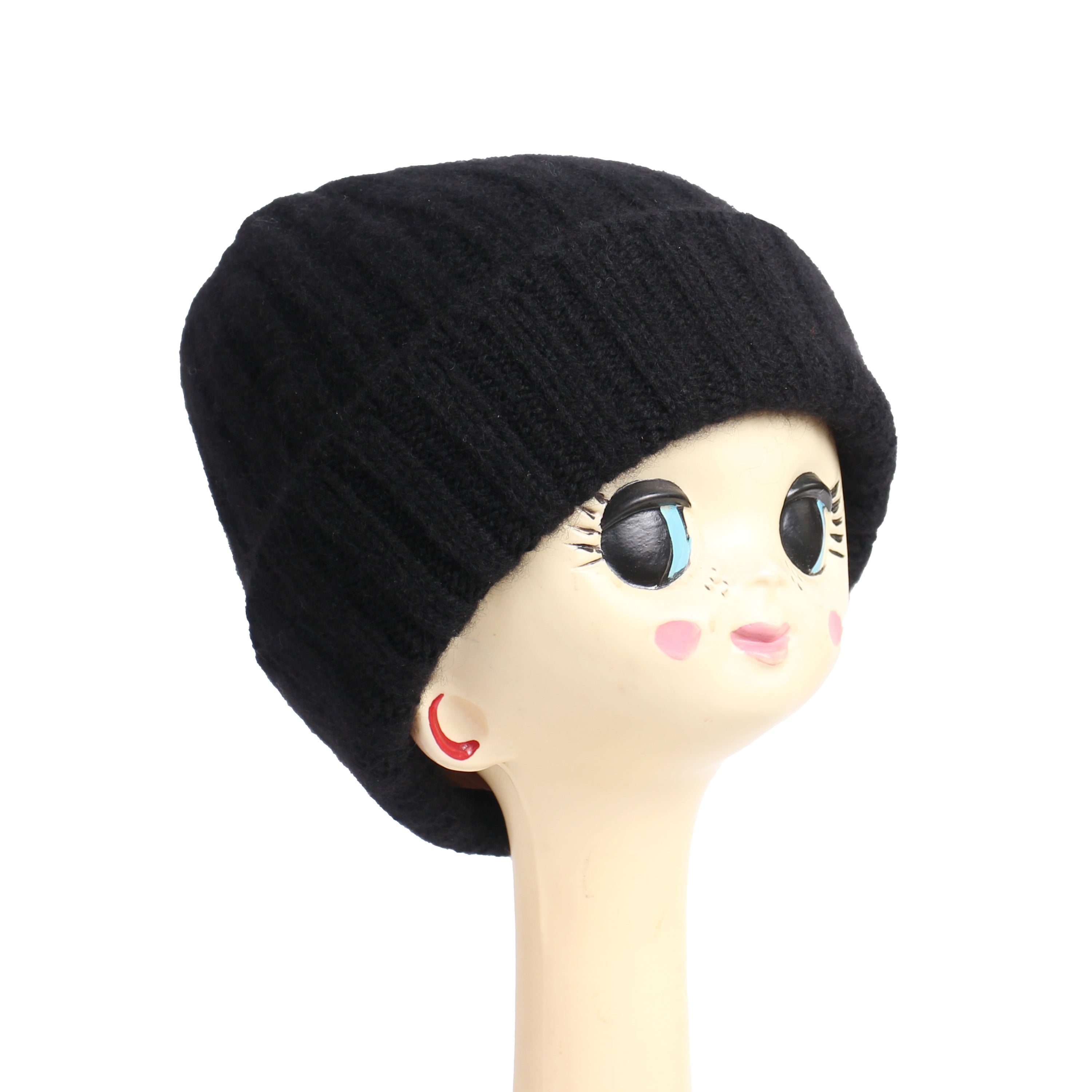
The knitted Cableami beanies from Kobe, Japan take a minimal approach—ribbed constructions without seams that emphasize material quality over decorative elements. The seamless technique eliminates pressure points and irritation during extended wear, allowing the fiber itself to define the experience.
Colors span neutral earth tones through more saturated options.
Scarves
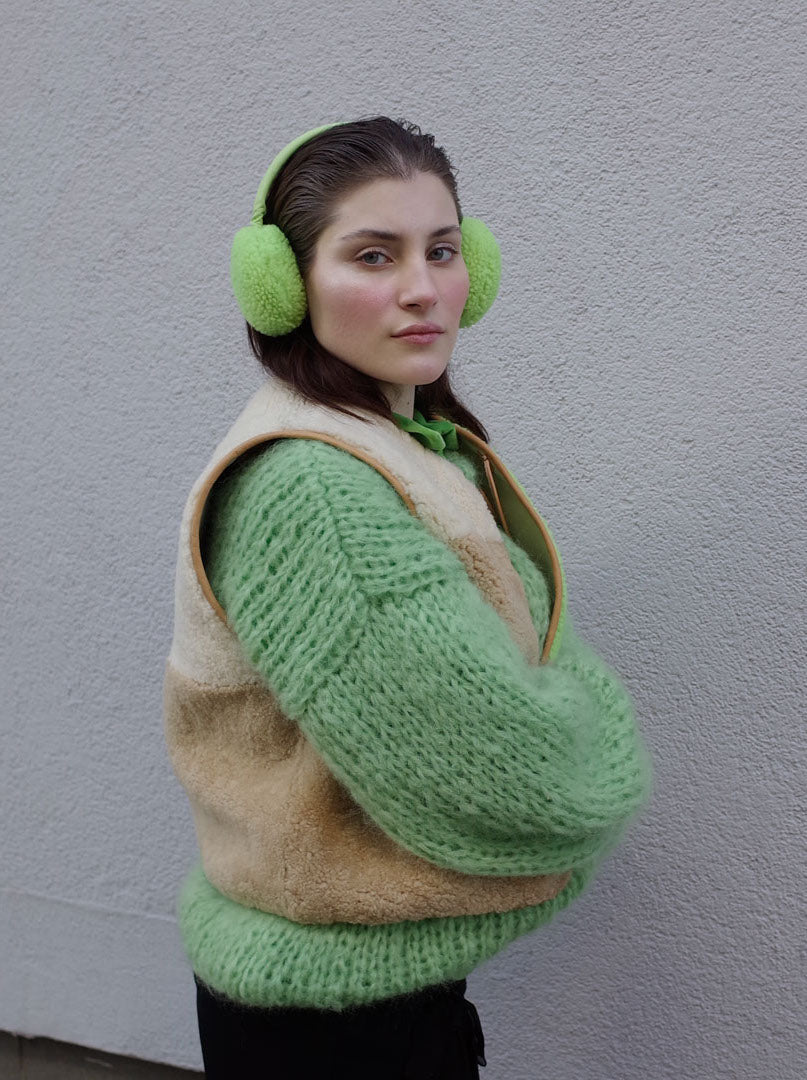
Our scarf designs blur boundaries between categories, creating functional solutions that work across different wearing situations. The Sarajevo textile collective produces pieces as limited editions. Each scarf develops individual character through the knitting process—slight variations in tension, subtle differences in drape—distinguishing handwork from factory precision.
Natural Fibers & Their Qualities
- Mohair dominates our hand-knitted pieces—blended with merino and minimal polyamide it creates accessories that feel impossibly light yet provide substantial warmth. Mohair derives from Angora goats, with premium quality fibers sourced primarily from Turkey, Australia, and South Africa. The fiber's natural crimp creates insulating air pockets while maintaining breathability. Mohair accepts dye readily, resulting in vibrant, long-lasting colors, and its natural elasticity allows knitted pieces to stretch and recover without losing shape. Over time, mohair develops a characteristic halo, softening further with wear while maintaining its structural integrity.
- Merino wool comes from Merino sheep, originally from Spain but now raised extensively in Australia, New Zealand, and South America. Merino fibers are significantly finer than standard wool (17-24 microns versus 25-40+ microns), making them soft enough to wear comfortably against skin without itching. The fiber's natural crimp provides elasticity and helps trap insulating air, while merino's moisture-wicking properties draw perspiration away from skin, keeping you comfortable across varying temperatures.
- Cashmere appears in our seamlessly knitted beanies produced in Kobe, Japan. It comes from the soft undercoat of cashmere goats, primarily raised in Mongolia, China, and Central Asia. Each goat produces only small quantities annually—roughly 150-200 grams—making cashmere one of the most precious natural fibers. The fine diameter of cashmere fibers (typically 14-19 microns) creates exceptional softness against skin while providing remarkable warmth for such lightweight material. The 100% cashmere construction offers warmth comparable to much heavier materials, with fibers that regulate temperature naturally—warm in cold conditions, breathable when temperatures rise. The seamless construction eliminates cold spots where seams might compress insulation or create pressure against skin.
These fibers work together in our hand-knitted pieces: mohair provides lightweight warmth and distinctive texture, merino adds softness and structural stability, while minimal synthetic content ensures the blend maintains its shape through years of wear and washing.
This combination of natural fiber properties extends the wearing season beyond traditional winter months. Pieces designed for cold weather remain comfortable during autumn and spring's unpredictable conditions, when temperatures fluctuate throughout the day and synthetic alternatives prove either too warm or insufficient.
Washing, Drying & Storage
Hand-knitted mohair-merino pieces tolerate gentle hand-washing in warm water with wool detergent. Machine washing remains possible using a protective net and wool program. After washing, reshape while damp and lay flat to dry—never hang wet knits. Cashmere requires similar gentle treatment with specialized detergent.
Between wears, air pieces to release minor wrinkles and mild odors. Store with room to breathe—compressed storage damages natural fibers. If the accessories get wet, dry them naturally at room temperature. Never use direct heat, which causes permanent damage.
Frequently Asked Questions
What's the difference between hand-knitted and cashmere pieces?
Hand-knitted pieces from Sarajevo use mohair-merino blends (78% mohair, 9% merino, minimal polyamide). They're exceptionally light and warm. Cashmere beanies from Kobe are seamlessly knitted to precise specifications—100% cashmere with no seams, consistent across production.
How should I wash knitted accessories?
Hand-wash gently in warm water with wool detergent, or machine wash using a protective net and wool program. Reshape while damp and lay flat to dry—never hang wet knits. Cashmere needs similar gentle treatment. Most pieces need washing less frequently than you'd expect; airing between wears handles minor refresh needs.
Will these pieces shrink?
Not if you avoid heat. Natural fibers tolerate cold or warm water but shrink permanently when exposed to hot water or direct heat during drying. Always dry flat at room temperature. If you follow these basic rules, pieces maintain their dimensions across years of use.
Are the hats one-size-fits-all?
Yes, most beanies are designed as one-size-fits-all. The knit construction provides natural flexibility, accommodating different head sizes and shapes. Natural fibers stretch and conform rather than remaining rigid.
Where does production happen?
Our hats and scarves are produced at different locations, each contributing specialized expertise. Hand-knitted pieces come from a textile collective in Sarajevo, Bosnia. Cashmere beanies are seamlessly knitted in Kobe, Japan. Some pieces originate in our Vienna workshop. Production remains intentionally small-batch across all locations—limited editions rather than continuous manufacturing.
How long should these accessories last?
Our hand-knitted hats and scarves last for decades when taken care of. Natural fibers improve through use—mohair softens and develops its characteristic halo, cashmere becomes increasingly supple. Unlike synthetics that degrade uniformly, these materials adapt. Longevity depends on frequency of wear and care attention, but the pieces are designed for long-term use rather than seasonal replacement.
What is the origin of the materials?
The Mohair for our hand-knitted pieces originates from Angora goats in Turkey, Australia, and South Africa. The merino wool used for our products comes from Merino sheep in Australia, New Zealand, and South America. Our cashmere mainly originates from Cashmere goats in Mongolia, China, and Central Asia.