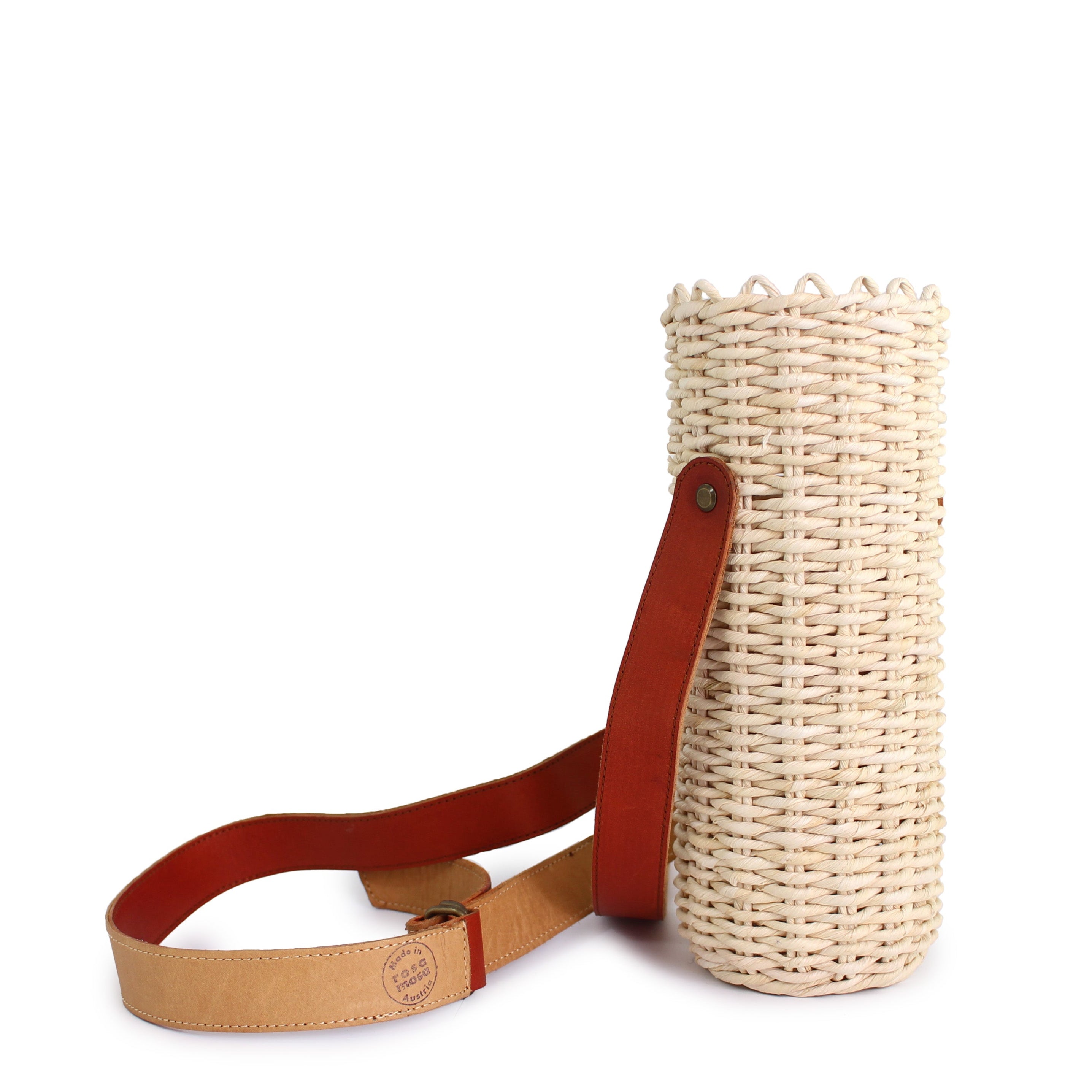
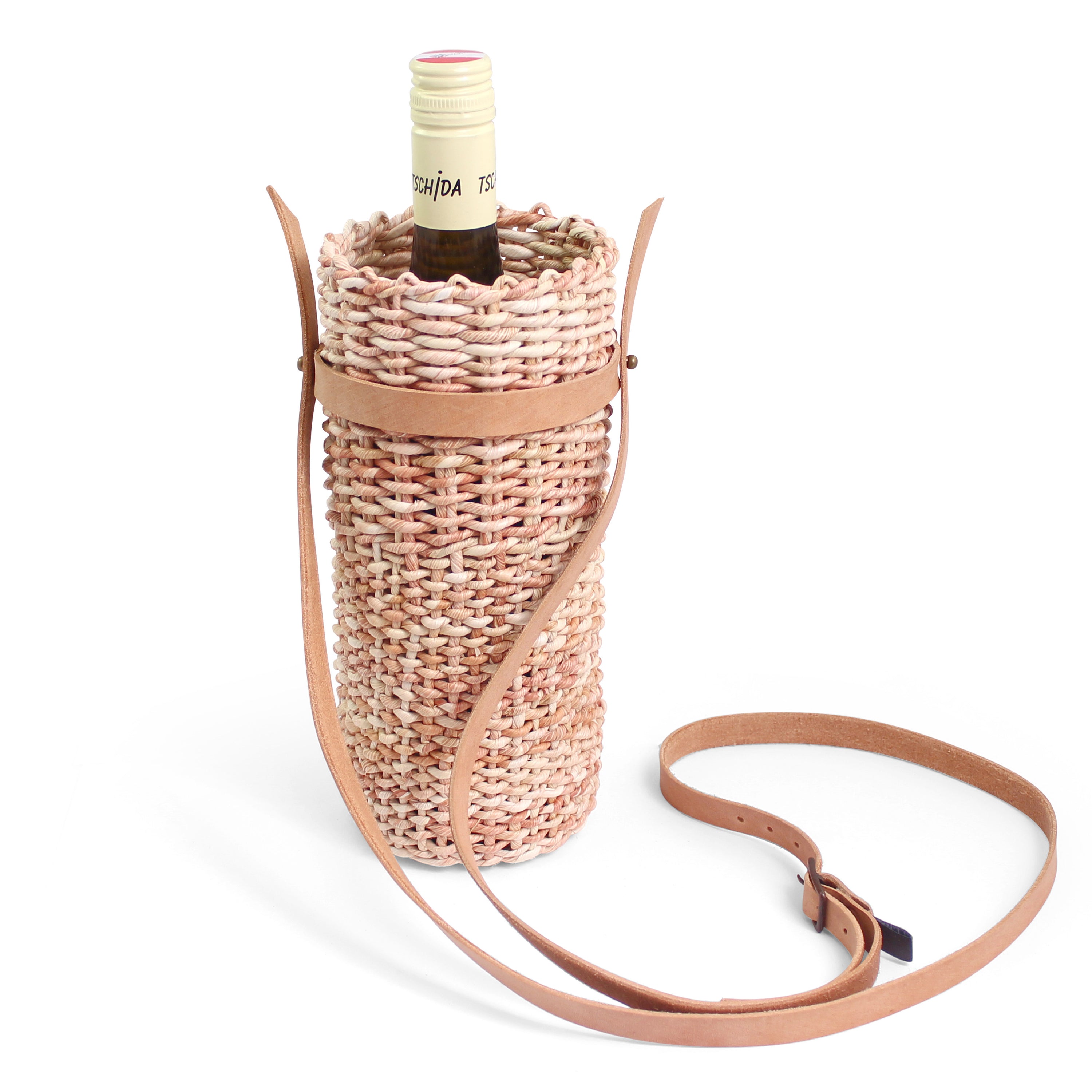
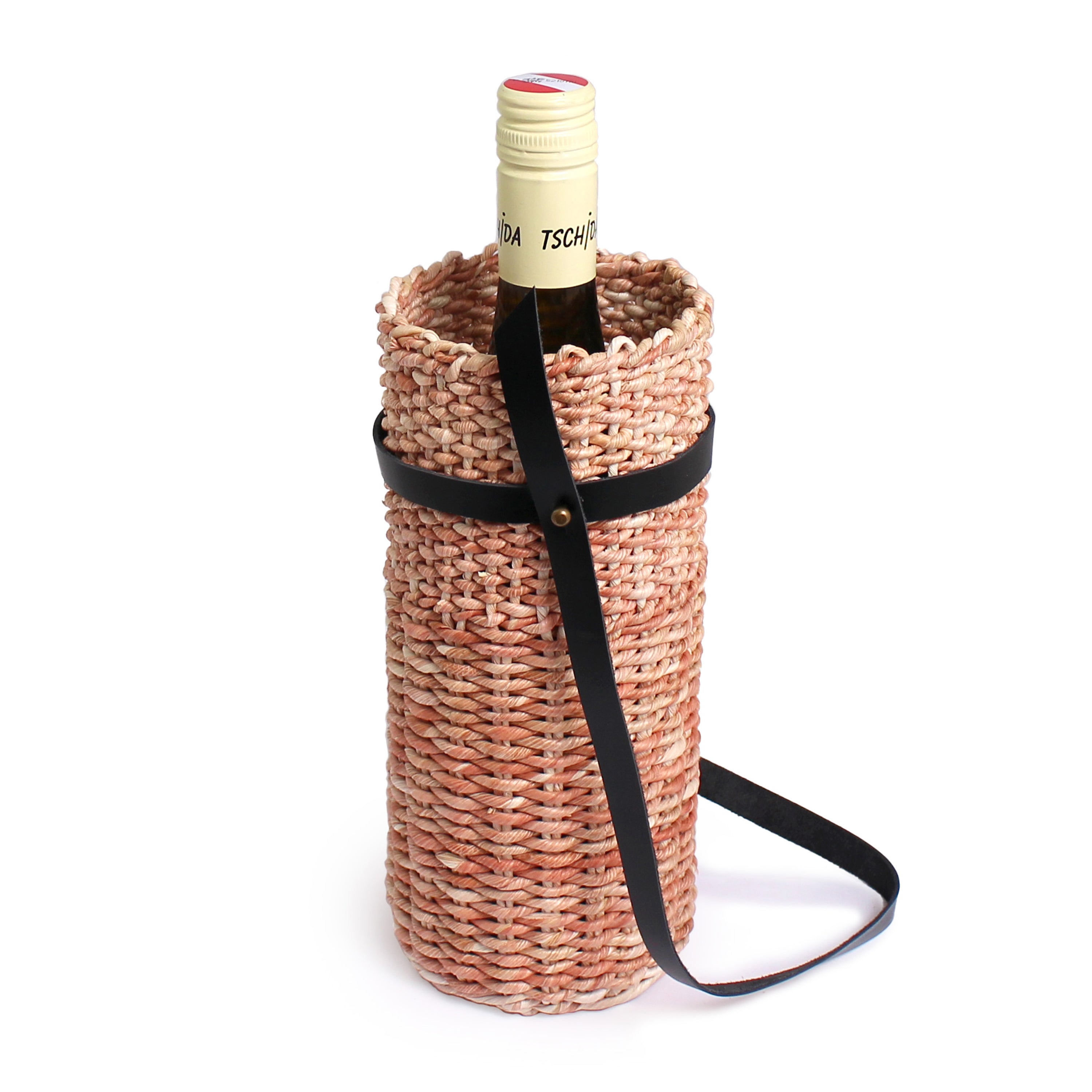
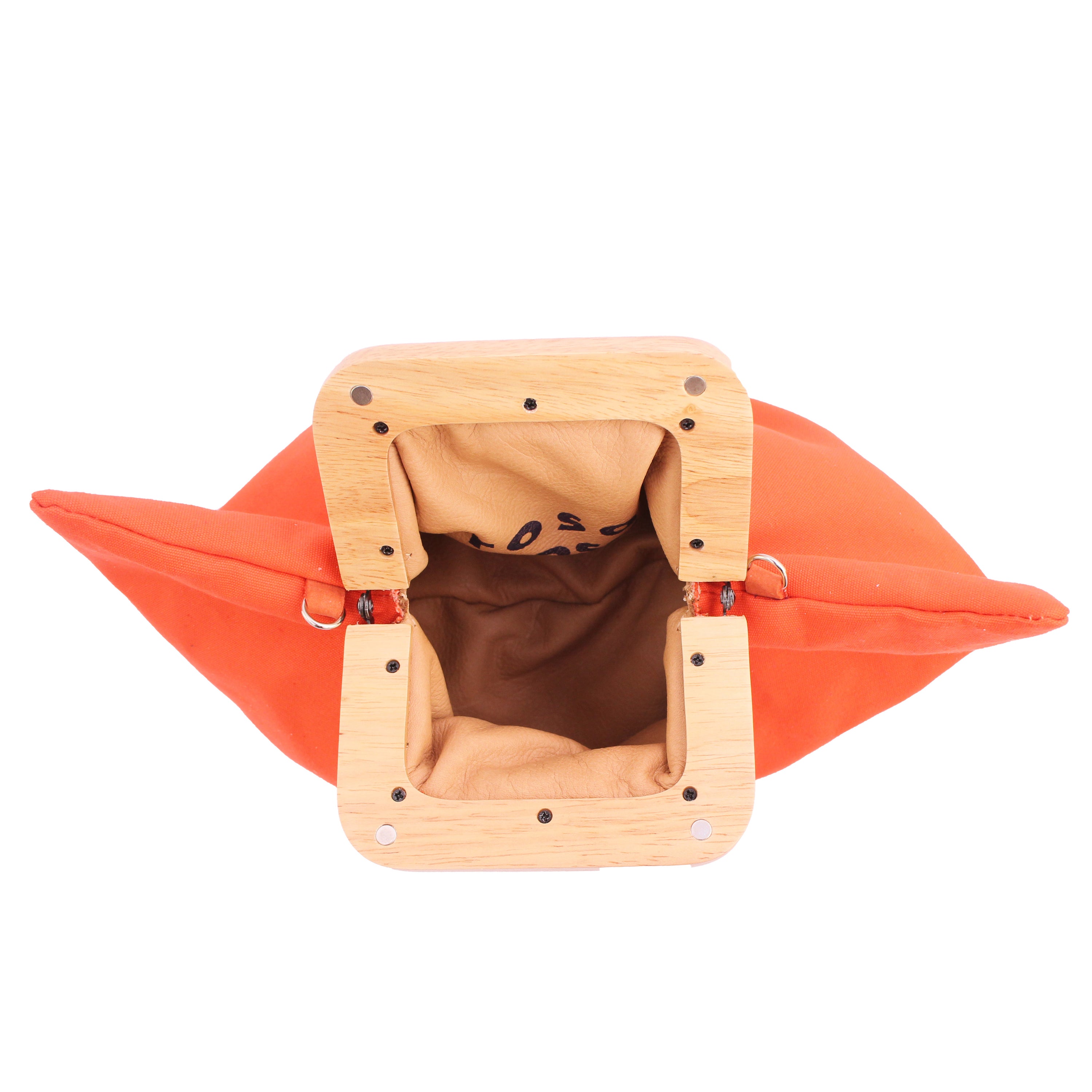
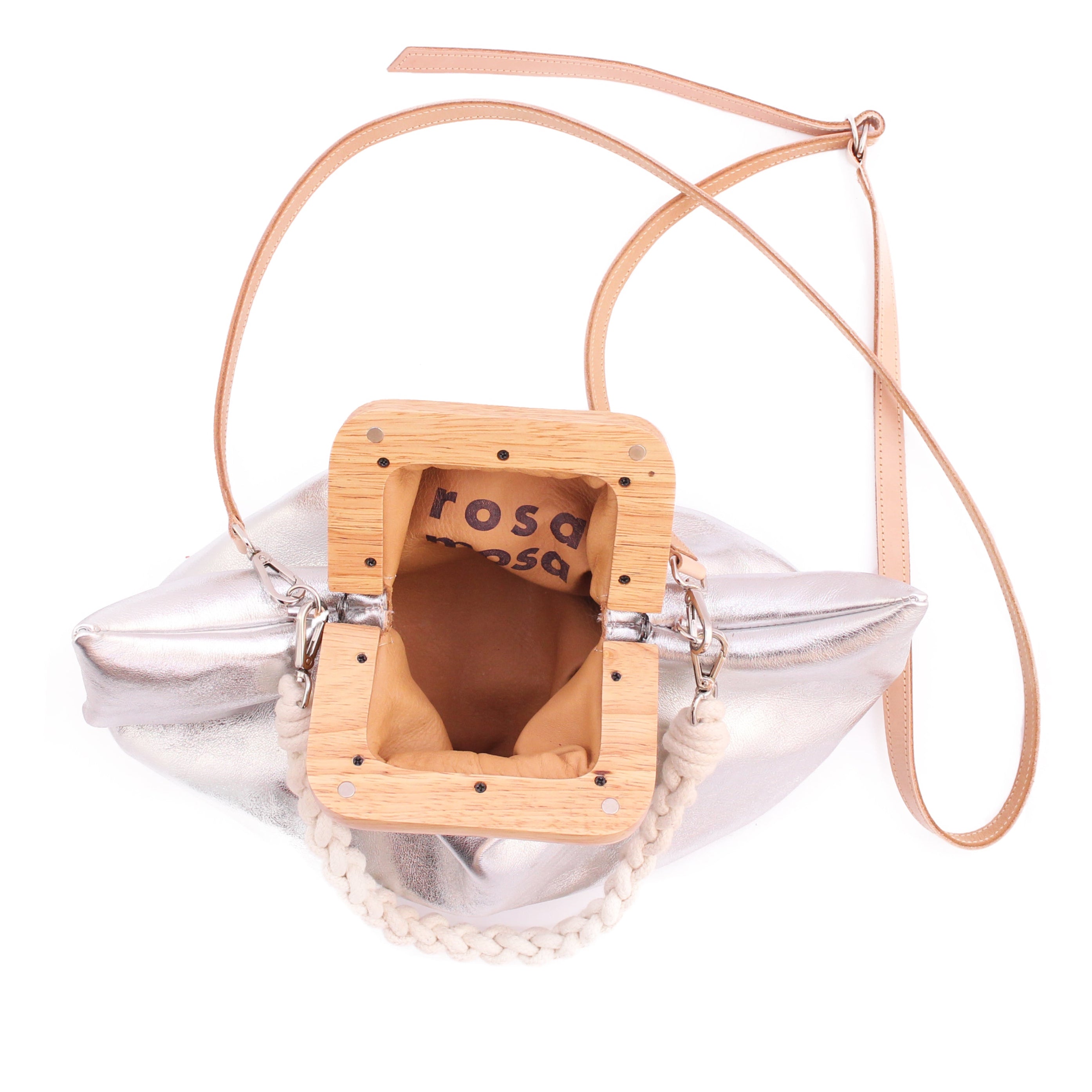
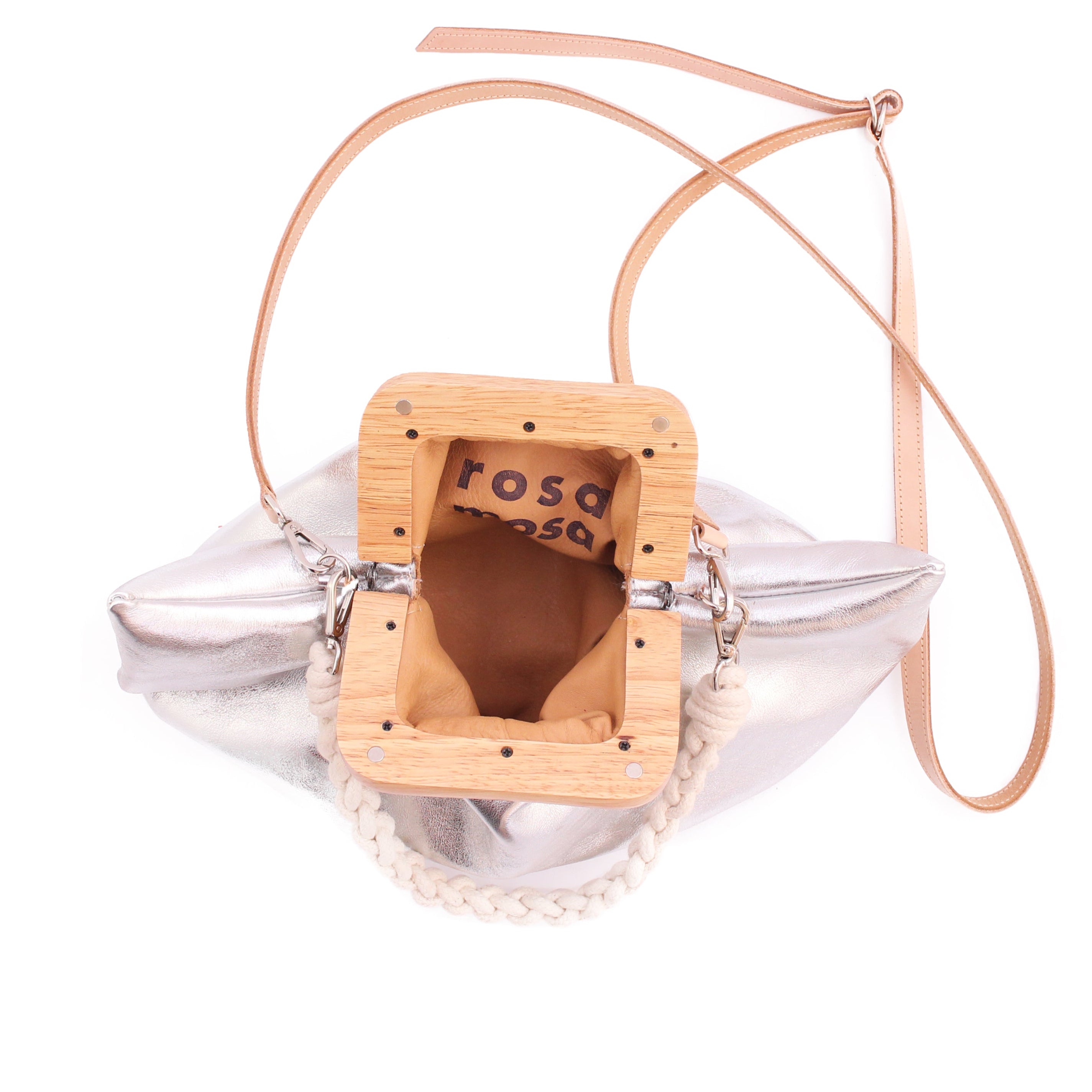
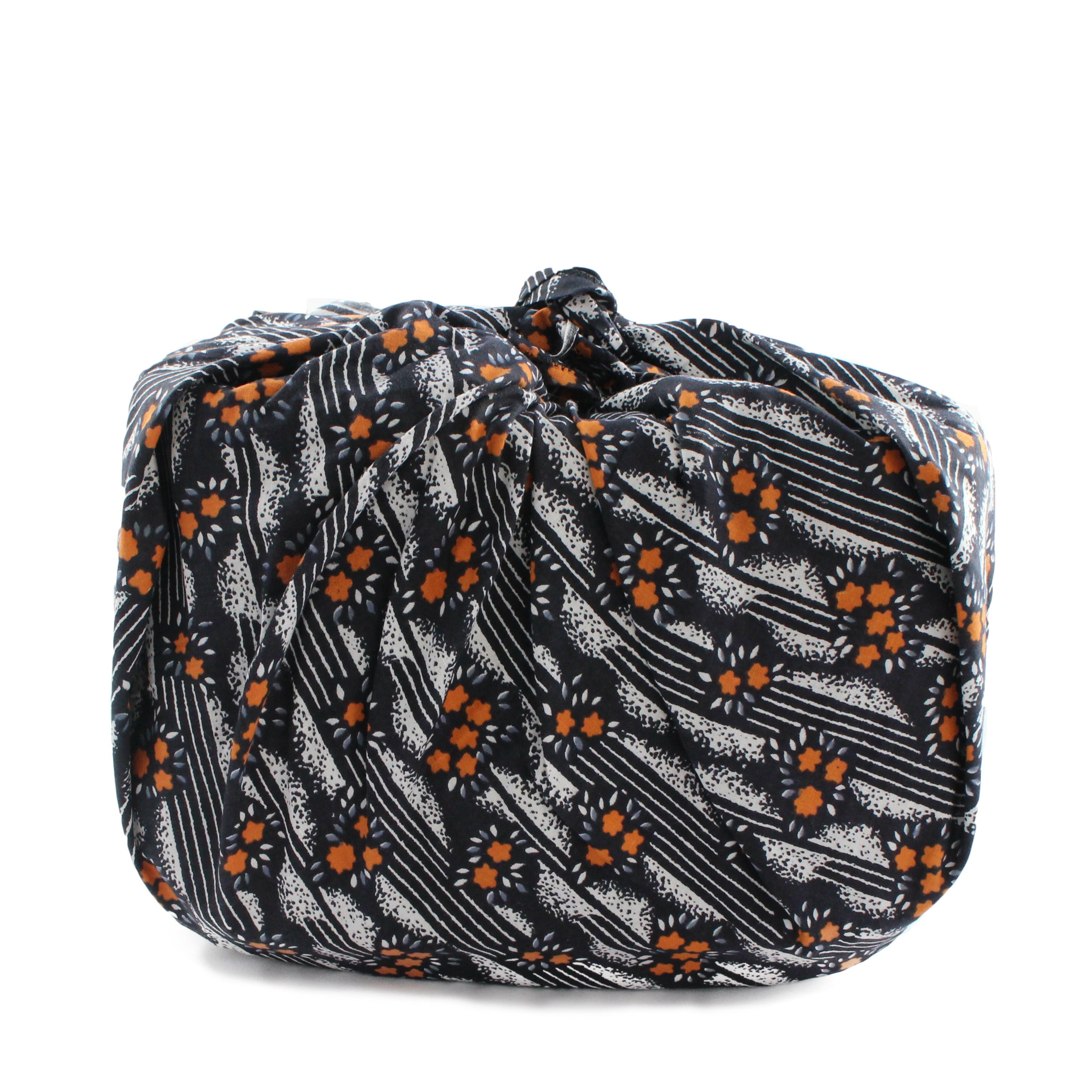
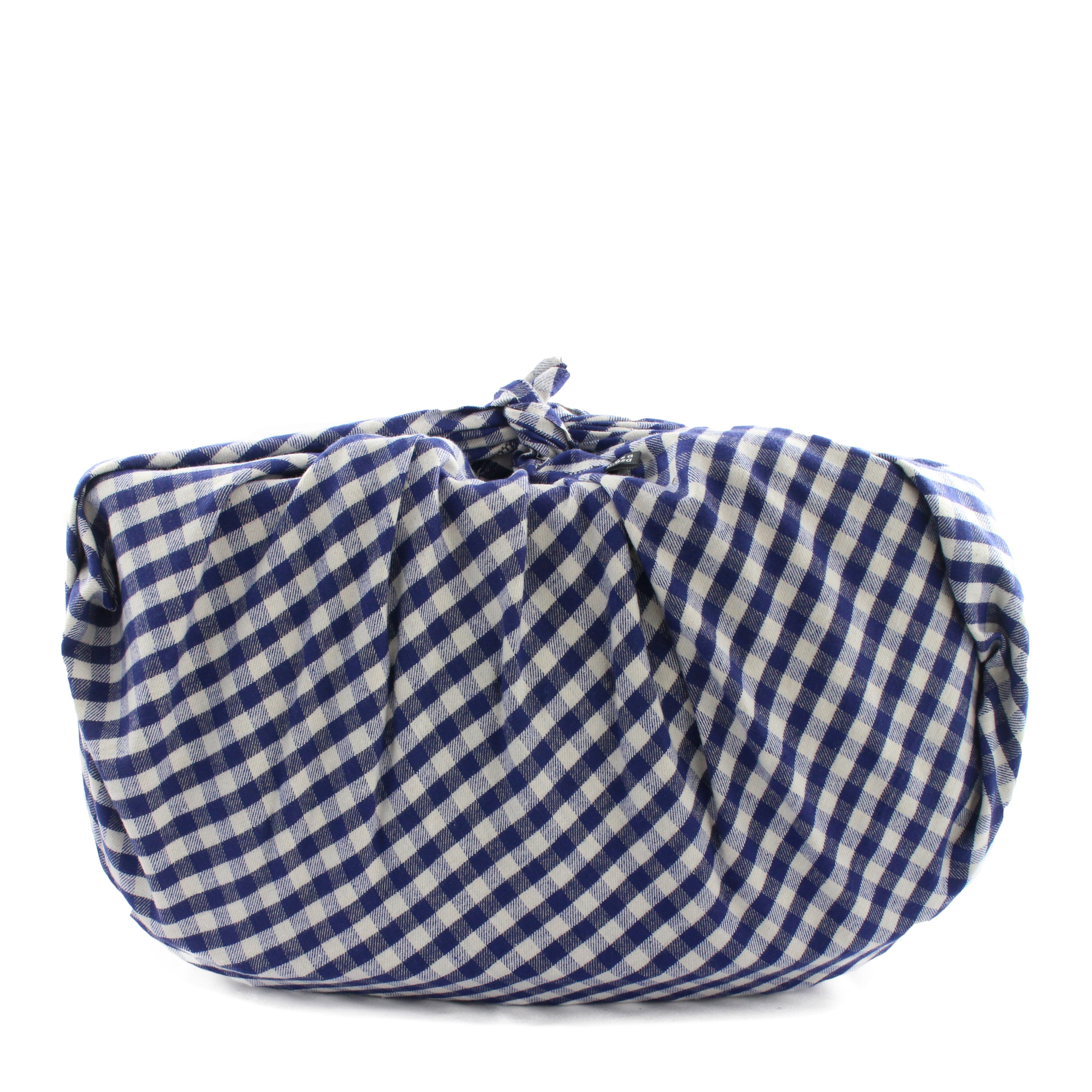
Working with Italian leather, shearling, wool, and local wood, we develop each bag and belt in our Viennese workshop.
Bags
Our bags address practical carrying needs through thoughtful material choices and construction. Leather forms the foundation—material that ages distinctively, darkening and developing character through daily contact with hands, straps worn smooth against shoulders, corners that bear the marks of being set down and picked up again.
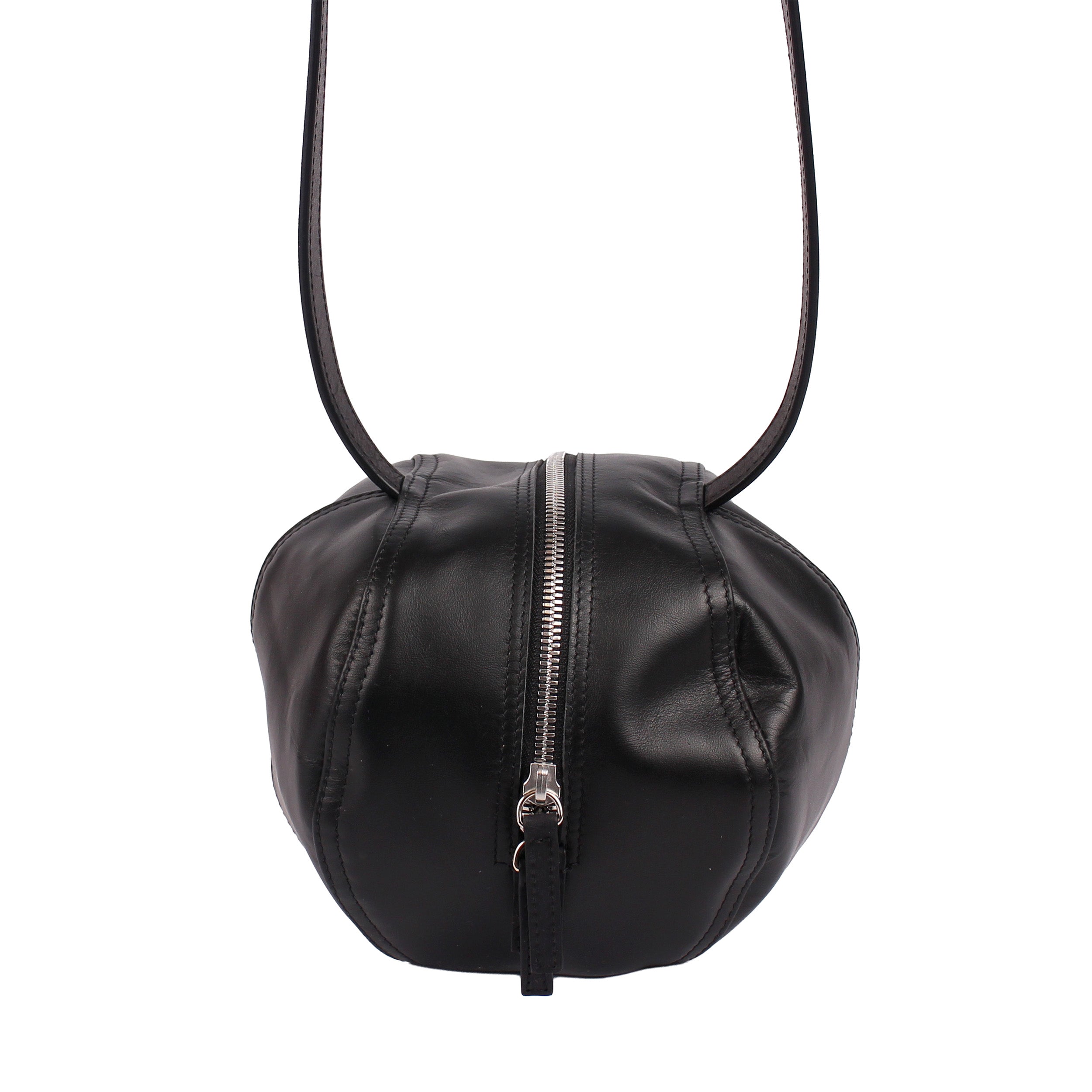
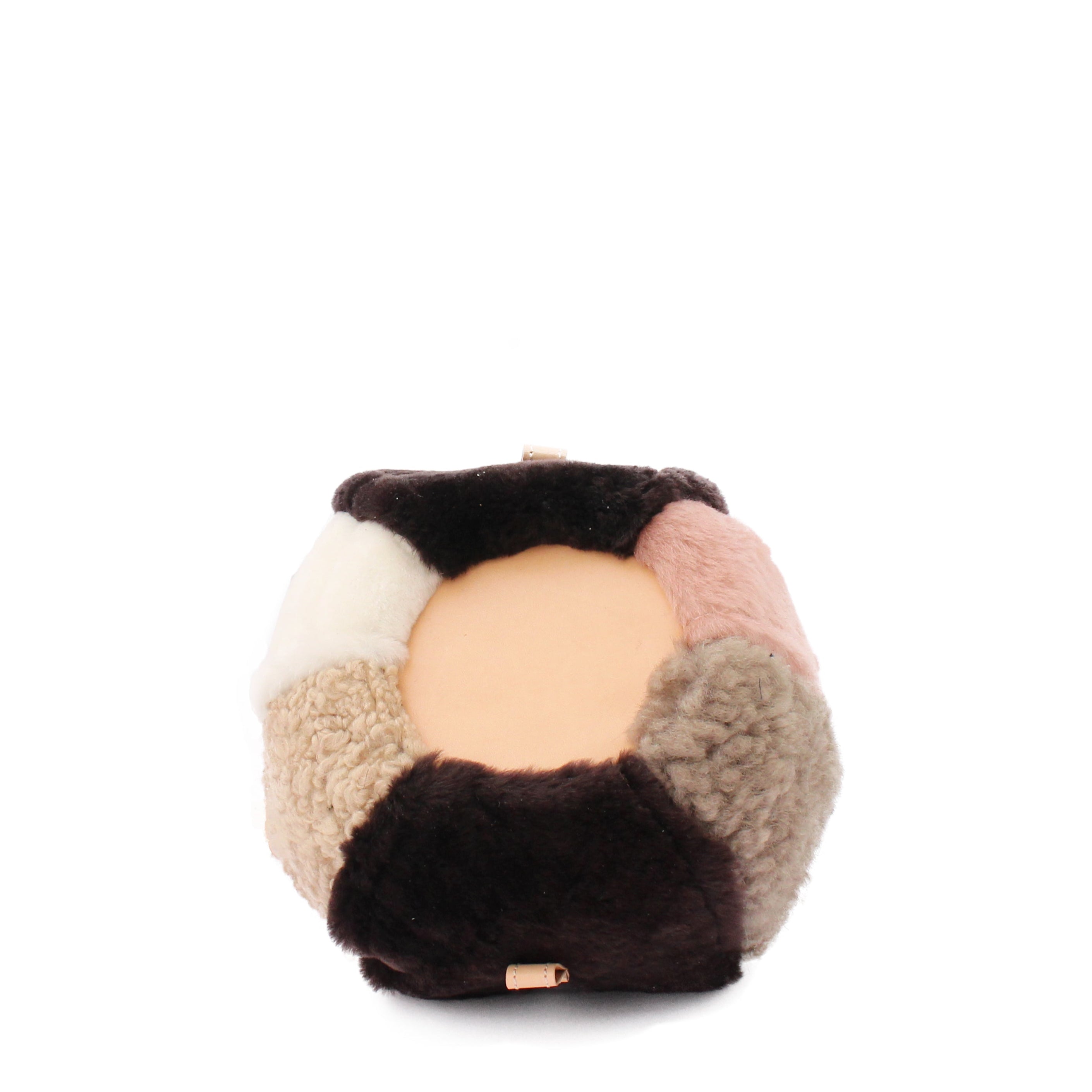
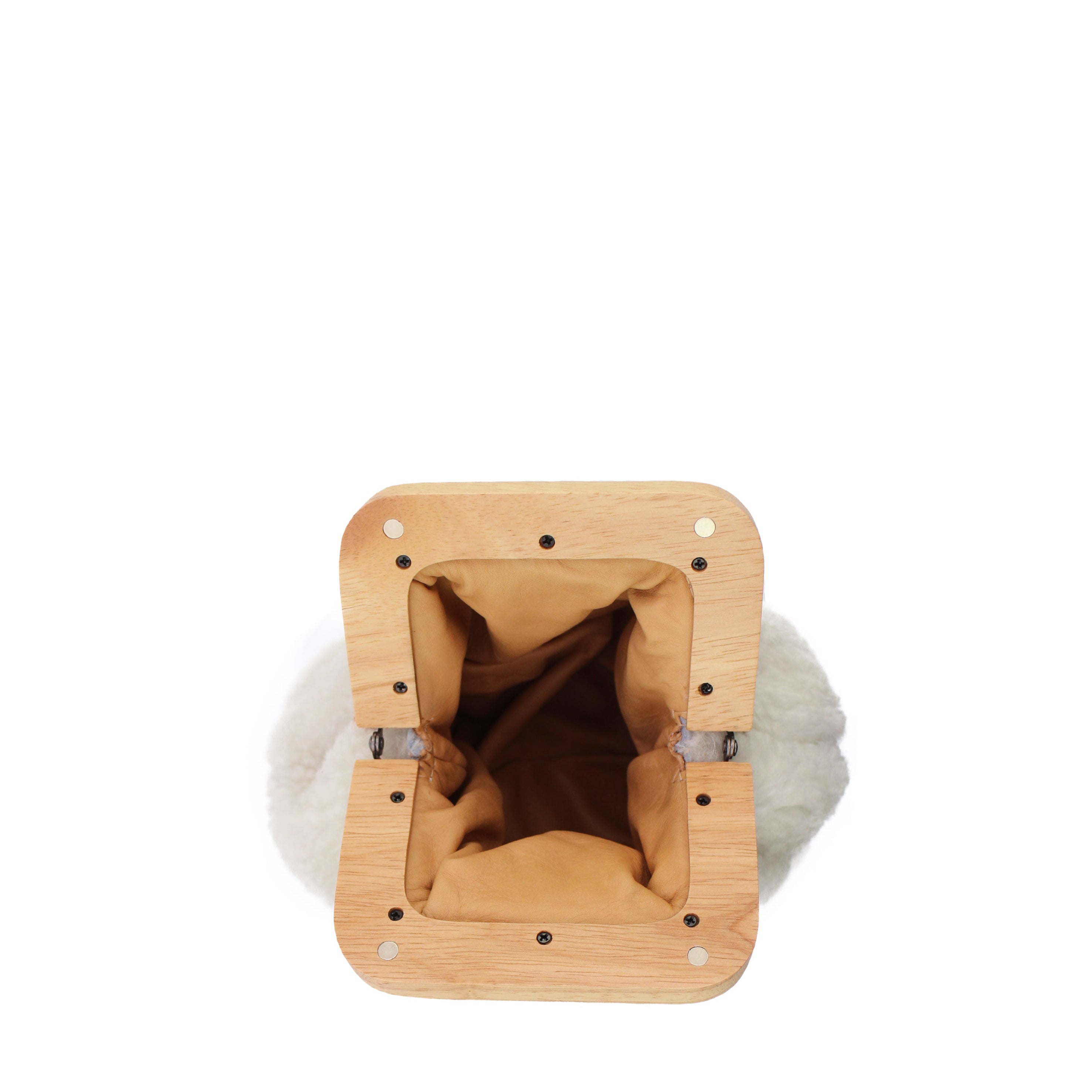
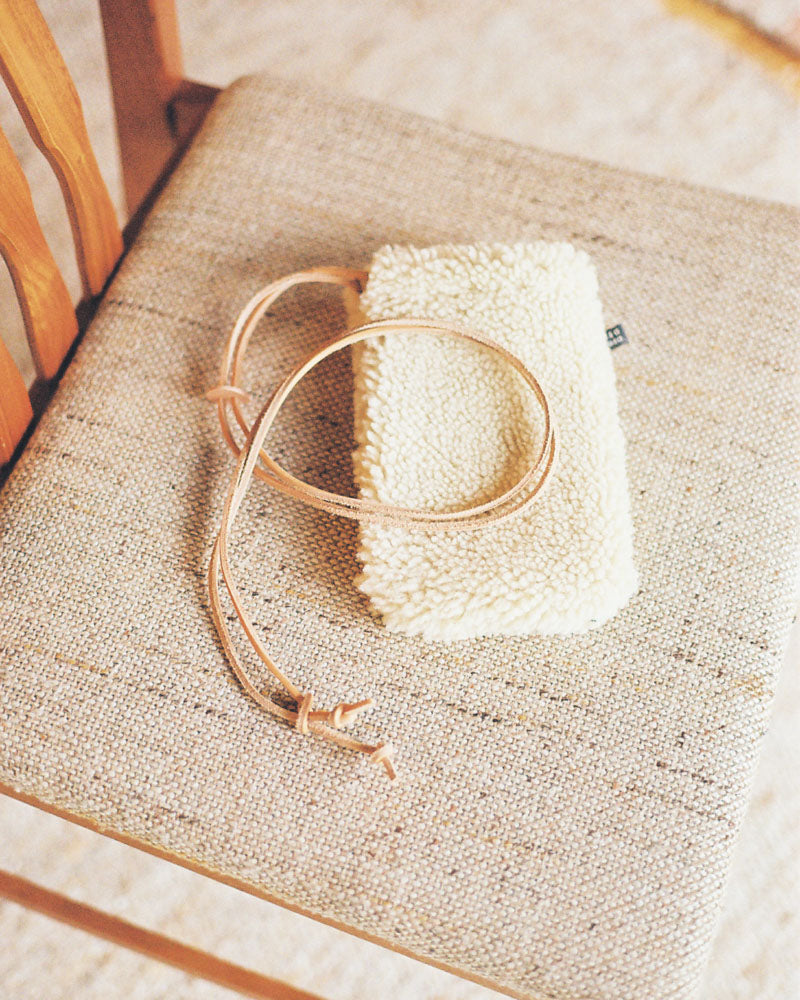
The Helmet Bag series offers structured carrying with distinctive sculptural forms. Crossbody styles like the Shearling Cross Mini Bag keep your hands free. Each design considers how a bag moves with you throughout the day—commuting, shopping, traveling—and adapts its form accordingly.
The stitching is visible but minimal, revealing rather than concealing how pieces are assembled. We use hardware like buckles, D-rings, and closures sparingly. They appear only where function demands them.
Belts
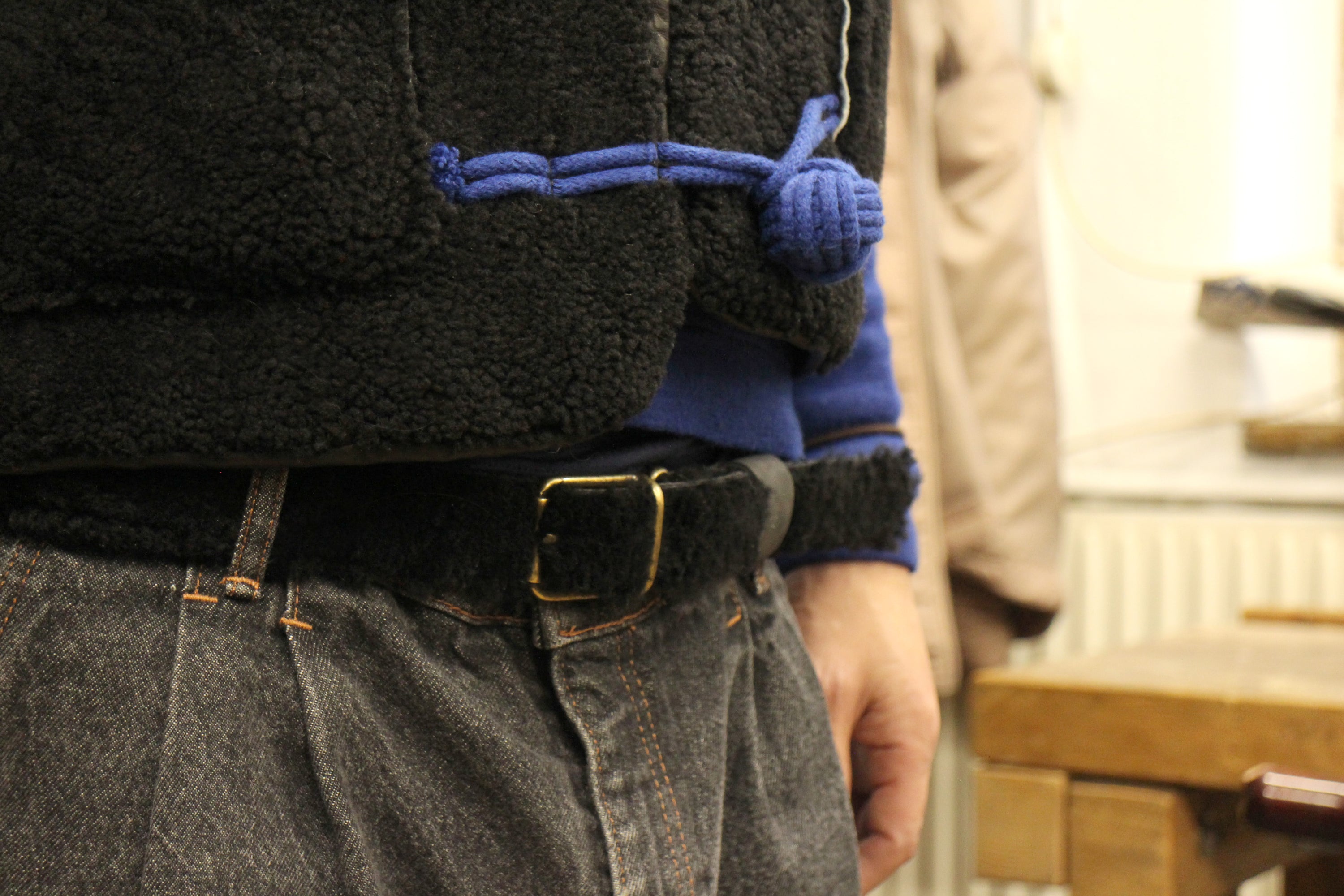
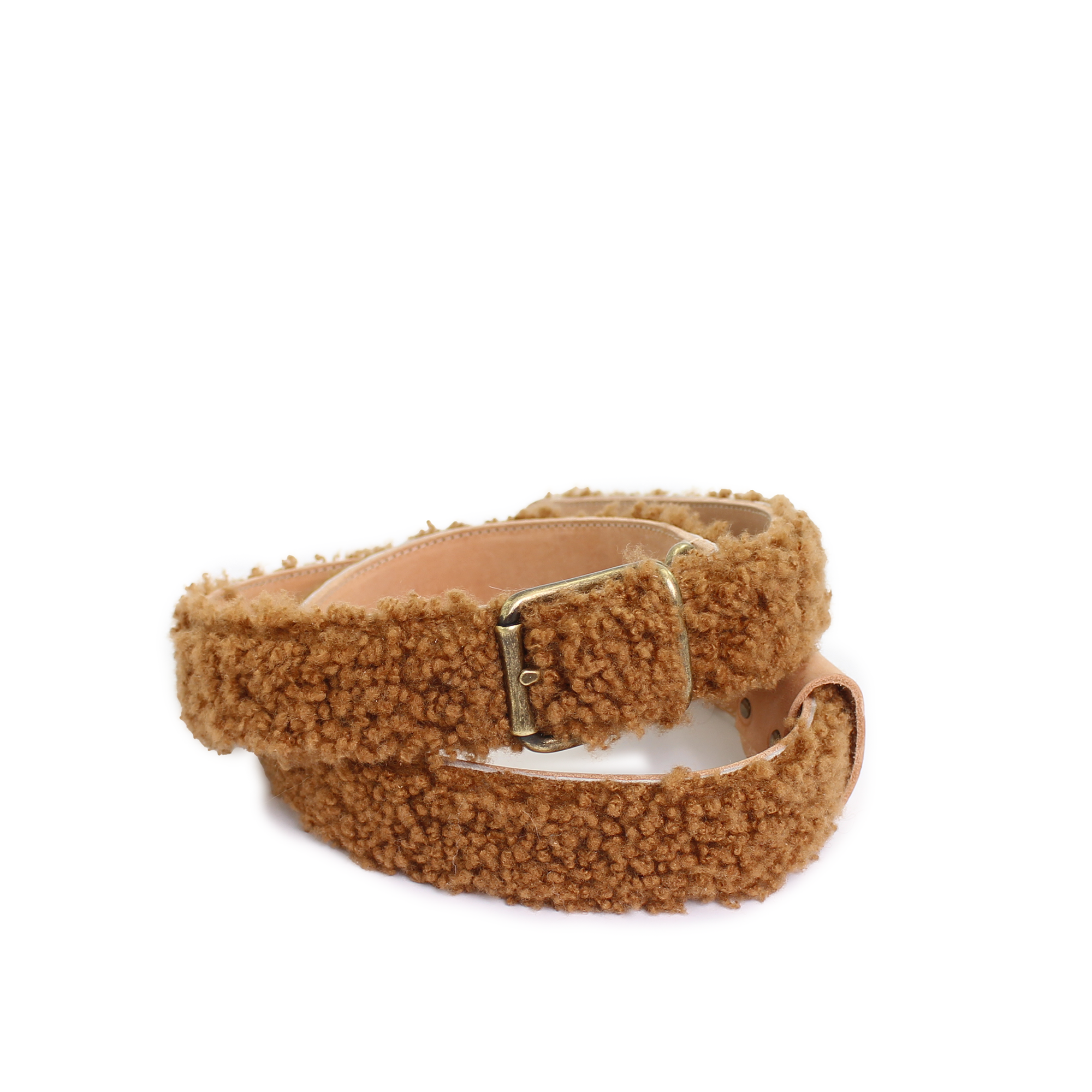
Our belts such as the Unisex Shearling Belt in white represent the intersection of necessity and craft. Each one features soft shearling on the exterior with vegetable-tanned Italian leather as lining. Solid brass buckles complete the construction.
Available in various widths and colors, our belts develop character through use. The leather softens and molds to your shape over time, with buckle holes stretching slightly to accommodate your preferred fit. The shearling exterior provides texture and warmth, creating belts that feel as distinctive as they look.
Materials & construction
Vegetable-tanned leather forms the core of our bags and belts collection. Unlike chrome-tanned alternatives, this leather ages beautifully, responding to light, air, and the oils from your hands. The tanning process uses natural materials, resulting in leather that develops character rather than deteriorating.
Cotton, shearling, and wool appear in selected bag and belt designs, offering lighter alternatives that maintain structure while reducing weight. These materials work in combination with leather details, creating pieces that balance different properties.
Hardware receives equal attention. We source brass components that can be polished or repaired, avoiding plated or plastic alternatives. Zippers, buckles, and rivets are selected for longevity, tested repeatedly before incorporation into final designs.
Size & practicality
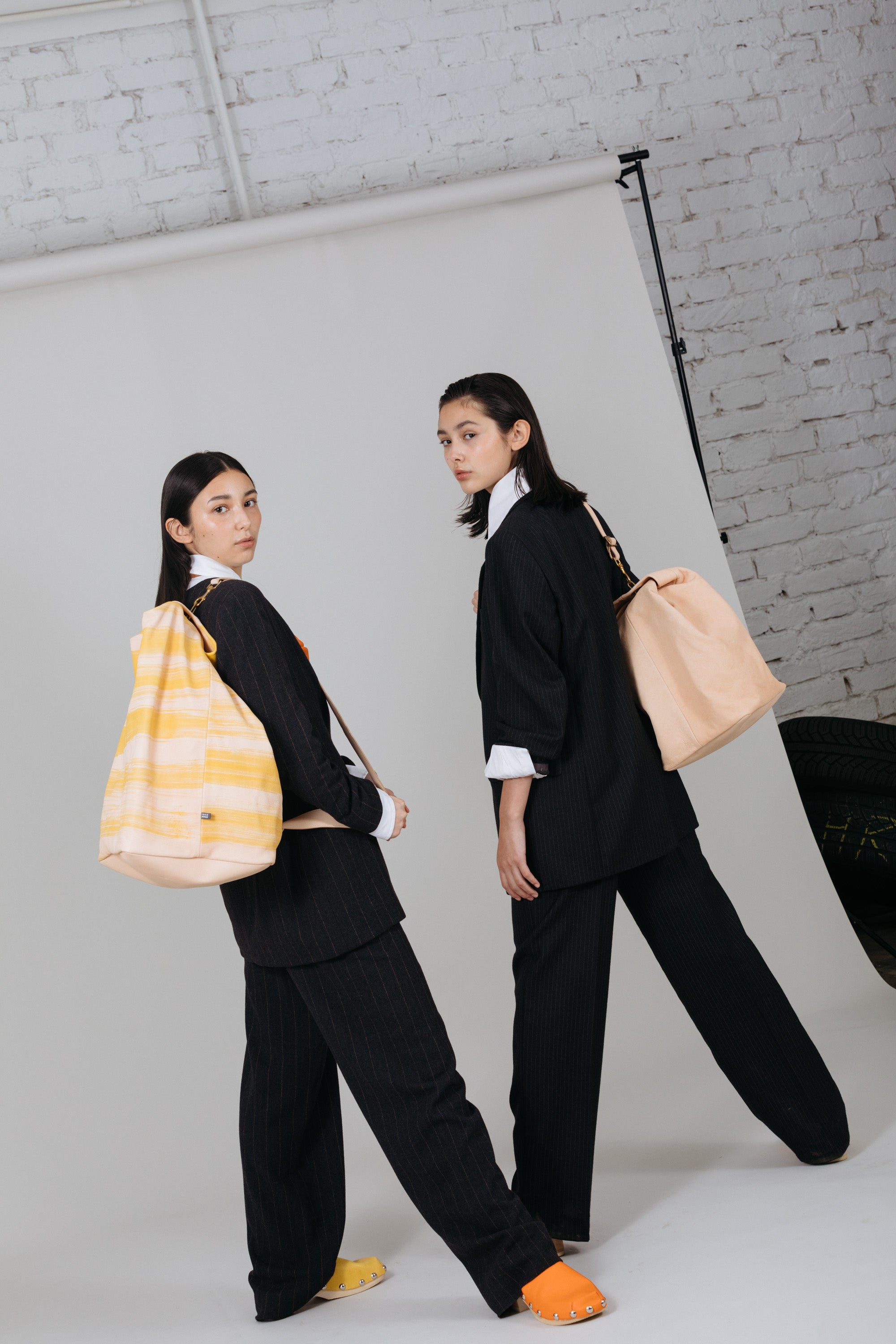
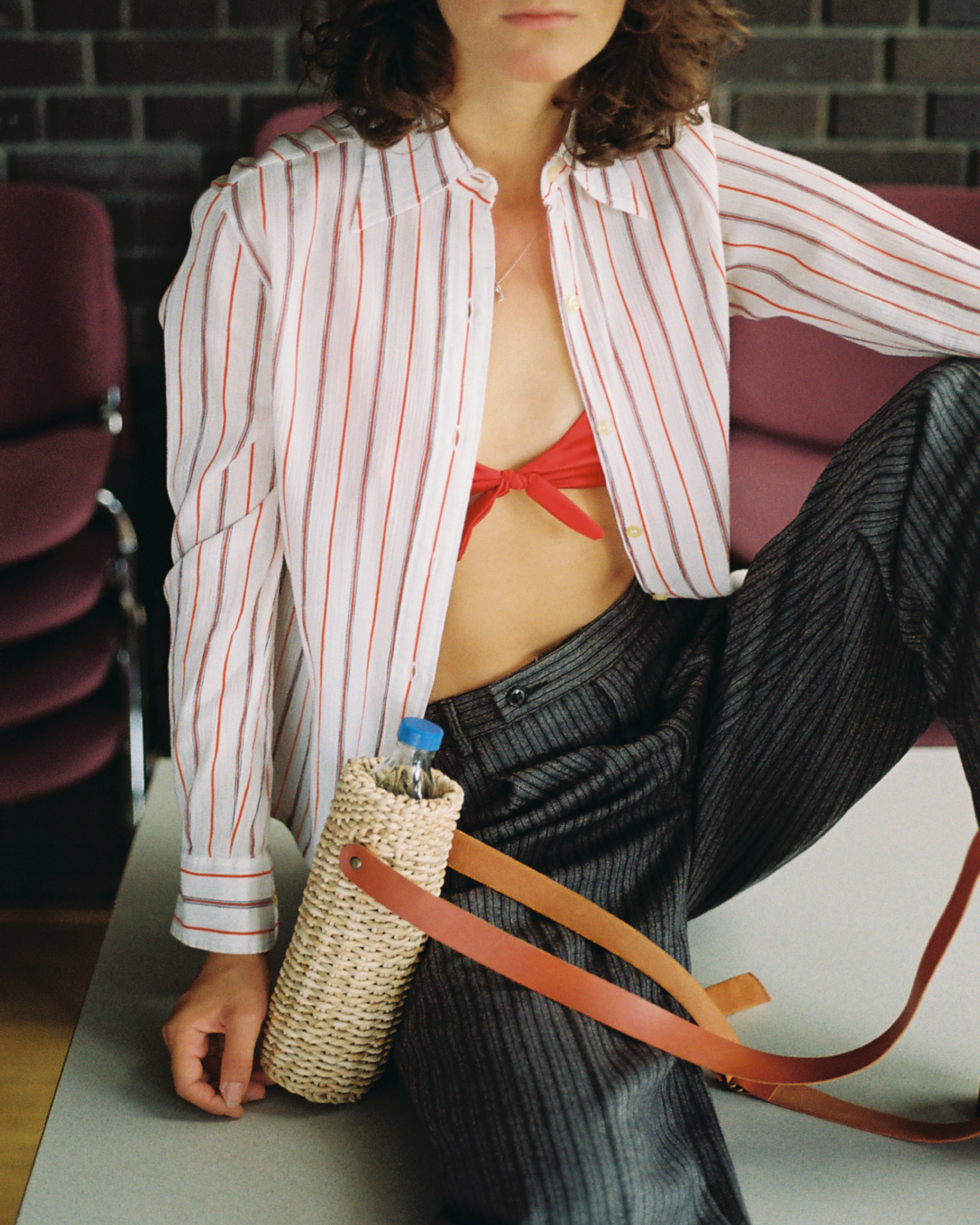
Our bags range from compact crossbody styles such as the Angolo Shearling Mini Bag that carry daily essentials to larger totes and shopper bags like the Willow Delta Stripe Rattan Shopper Bag capable of accommodating laptops, documents, and the accumulated items of extended days. Each size addresses specific carrying needs.
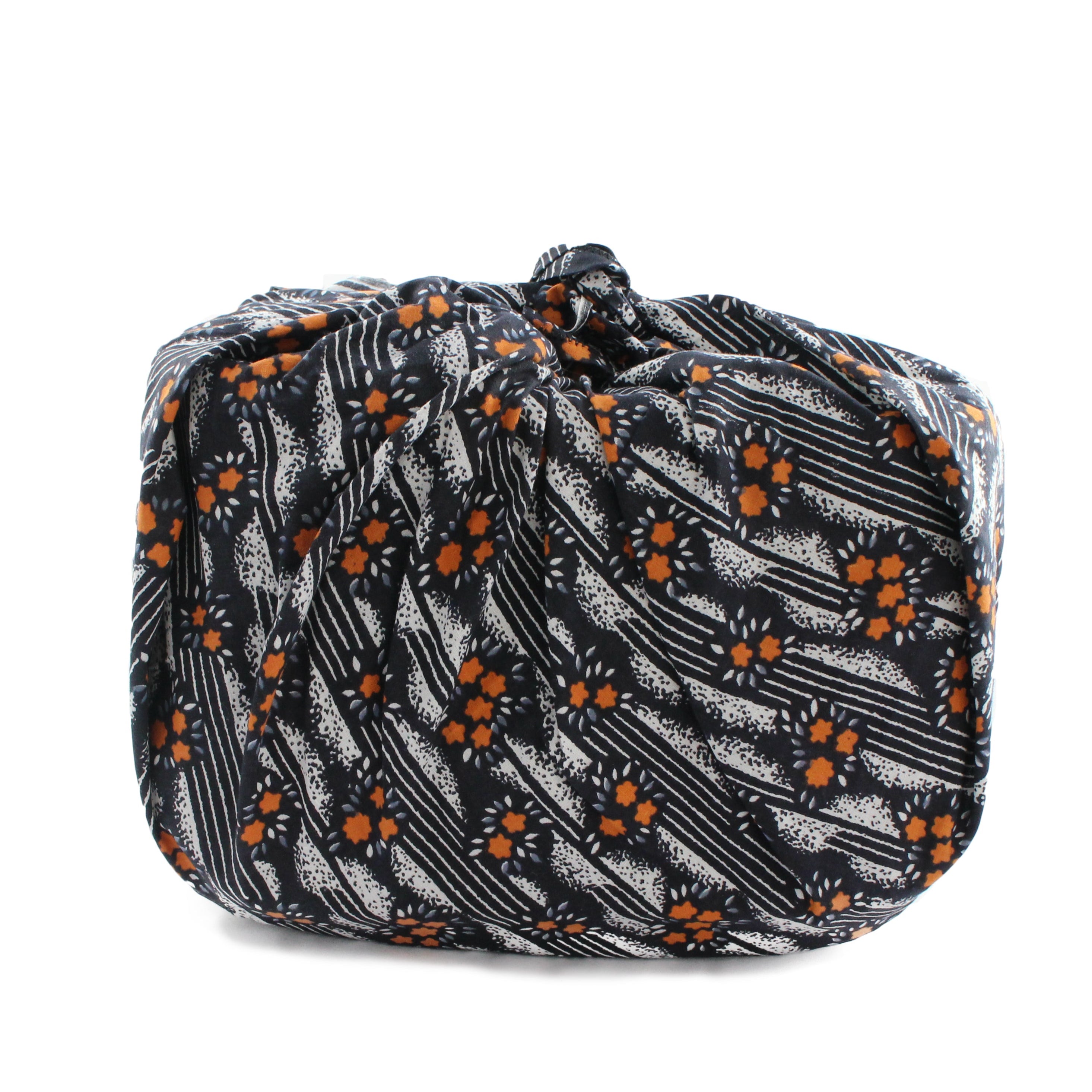
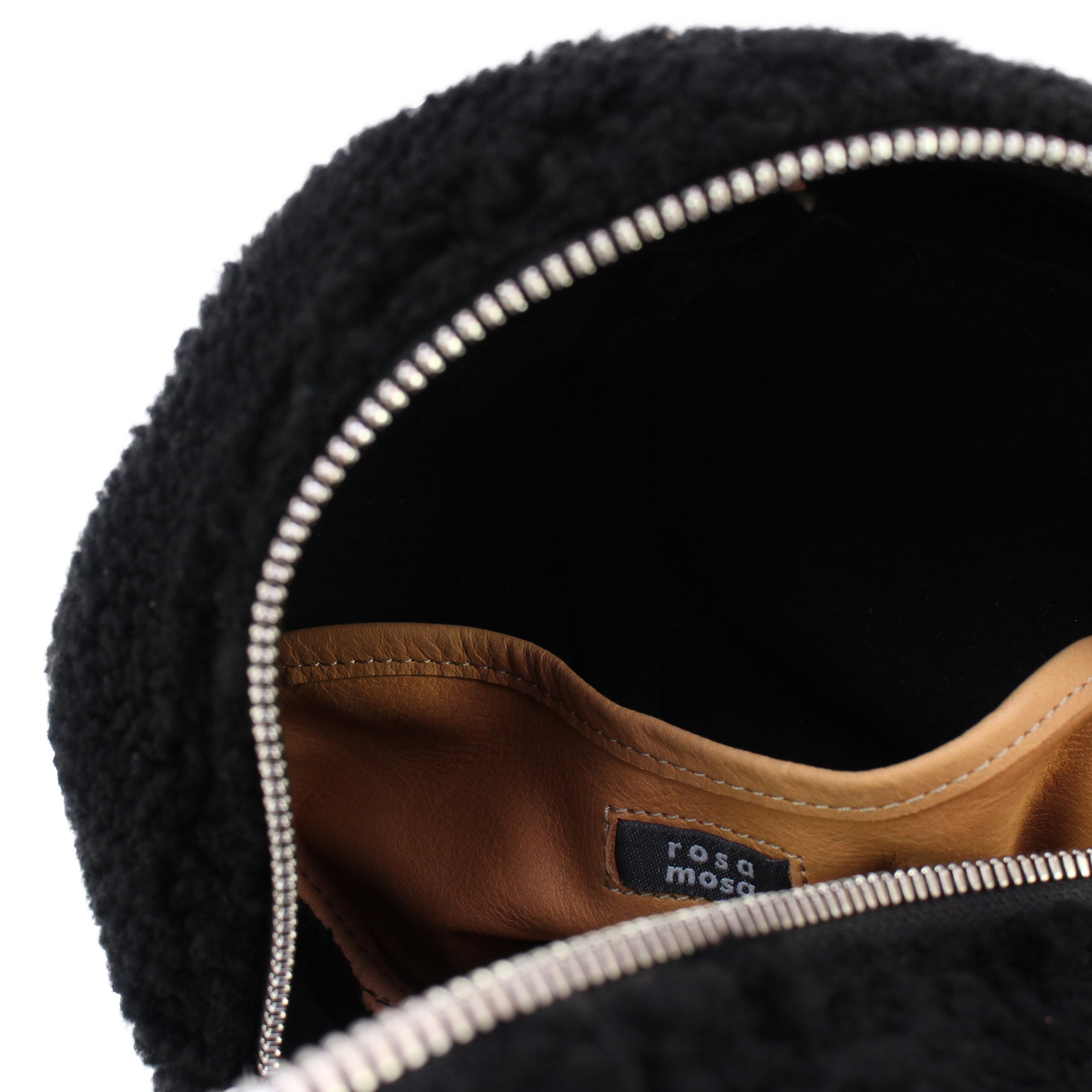
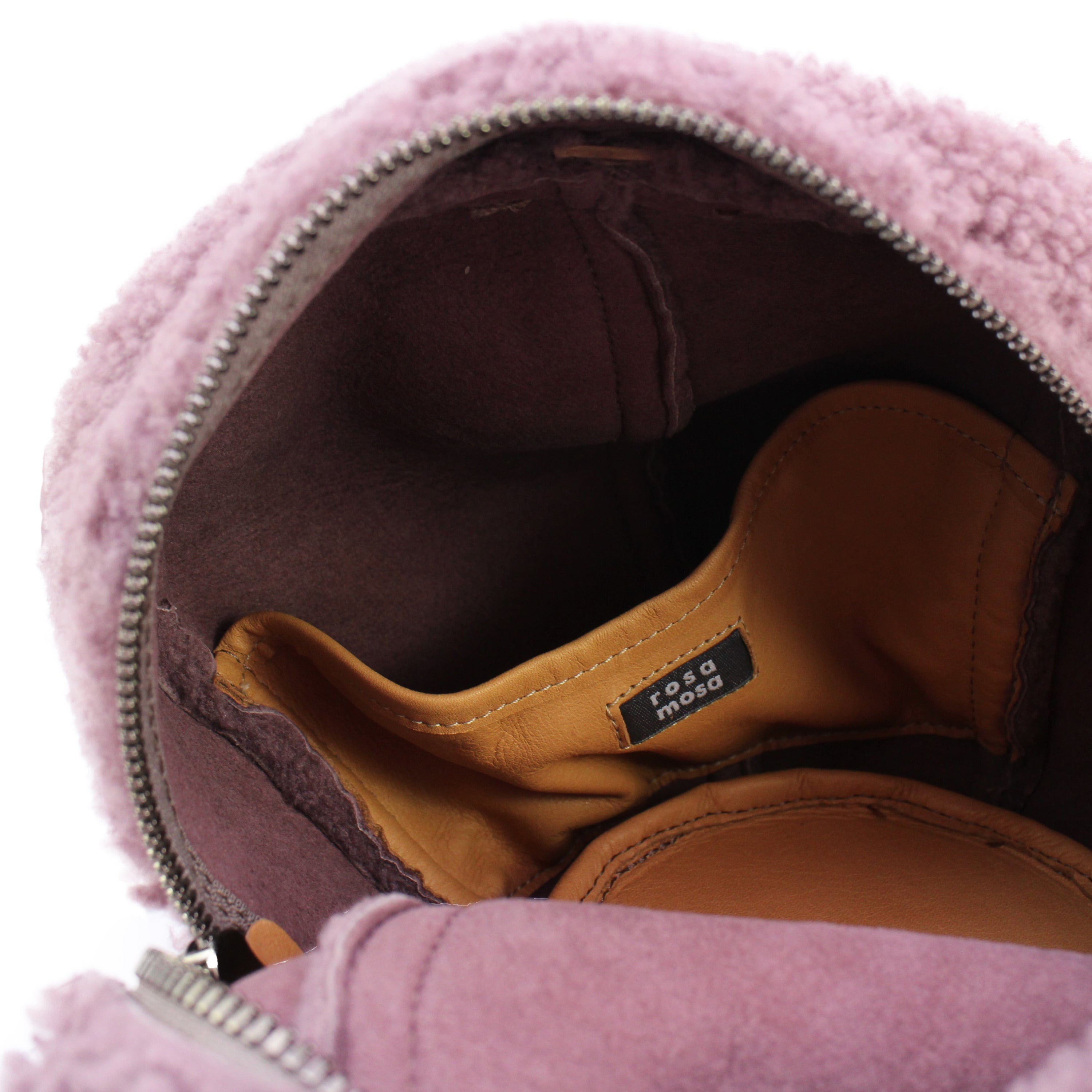
Interior organization varies by style—some bags such as the Helmet Bag Small Curly feature multiple compartments for those who prefer structured storage, while others like the Angolo Shearling Hand Bag offer open interiors for those who value flexibility.
Belts span standard sizing, with multiple buckle holes allowing for adjustment and the leather's natural stretch accommodating minor size changes over time.
Care & longevity
Bags and belts made from leather, shearling, wool, and other natural materials require minimal maintenance but benefit from occasional attention. Wipe away dirt or dust with a soft cloth, apply leather cream or wax sparingly when the leather seems dry, and allow pieces to develop their natural patina. The leather will darken and soften with handling.
If your bag gets wet, empty it and allow it to dry naturally at room temperature, never near direct heat. The leather may darken slightly when wet but will return close to its original tone as it dries, carrying only subtle evidence of the exposure.
Store bags filled with paper or fabric to maintain their structure. Hang belts rather than coiling them to prevent permanent creasing. With proper care our bags and belts can serve you for decades, improving rather than degrading with age.
FAQs (Frequently Asked Questions)
What makes leather the ideal material for bags?
Vegetable-tanned leather breathes naturally, develops a distinctive patina over time, and can be repaired and maintained indefinitely. Unlike synthetics or chrome-tanned alternatives, it improves with age rather than deteriorating, making it ideal for items you'll carry daily for years.
How much weight can leather bags handle?
Our leather bags are constructed to handle typical personal items without strain. The stitching and hardware are tested to ensure durability, but like all leather goods, the material will stretch slightly under consistent heavy loads. We recommend distributing weight evenly and avoiding unnecessary overpacking to maximize longevity.
Do leather bags need breaking in?
Our bags are crafted primarily from very soft leather, making them comfortable from the first use. While there may be a brief settling period this happens naturally within the first few uses rather than requiring an extended breaking-in period.
How do I choose the right belt size?
We measure our belts from the buckle pin to the middle hole. Measure around your waist or hips at the point where you typically wear a belt, then select the size that matches this measurement. This ensures the belt fastens at the middle hole, allowing for adjustment in either direction. Remember that vegetable-tanned leather will stretch slightly over time, so a new belt should fit comfortably snug rather than loose.
Can leather and shearling bags handle daily use?
Yes. Our bags are designed for regular use. The materials we use are resilient and the construction methods prioritize longevity.
How to care for leather belts?
Leather belts require minimal maintenance. Wipe away dirt with a soft cloth and apply leather cream occasionally to keep the material supple. If your belt gets wet, let it dry naturally away from direct heat. The leather will darken slightly where it's worn most frequently.
Where does the leather and shearling for bags and belts come from?
We use vegetable-tanned leather from Italy. You can find detailed information about the specific materials on individual product pages. The tanning process uses natural materials rather than chemicals, resulting in leather that ages beautifully and responds to use.
Our shearling products are made from curly and Italian zero waste sheep fur.


 Sold out