Our approach to handmade footwear
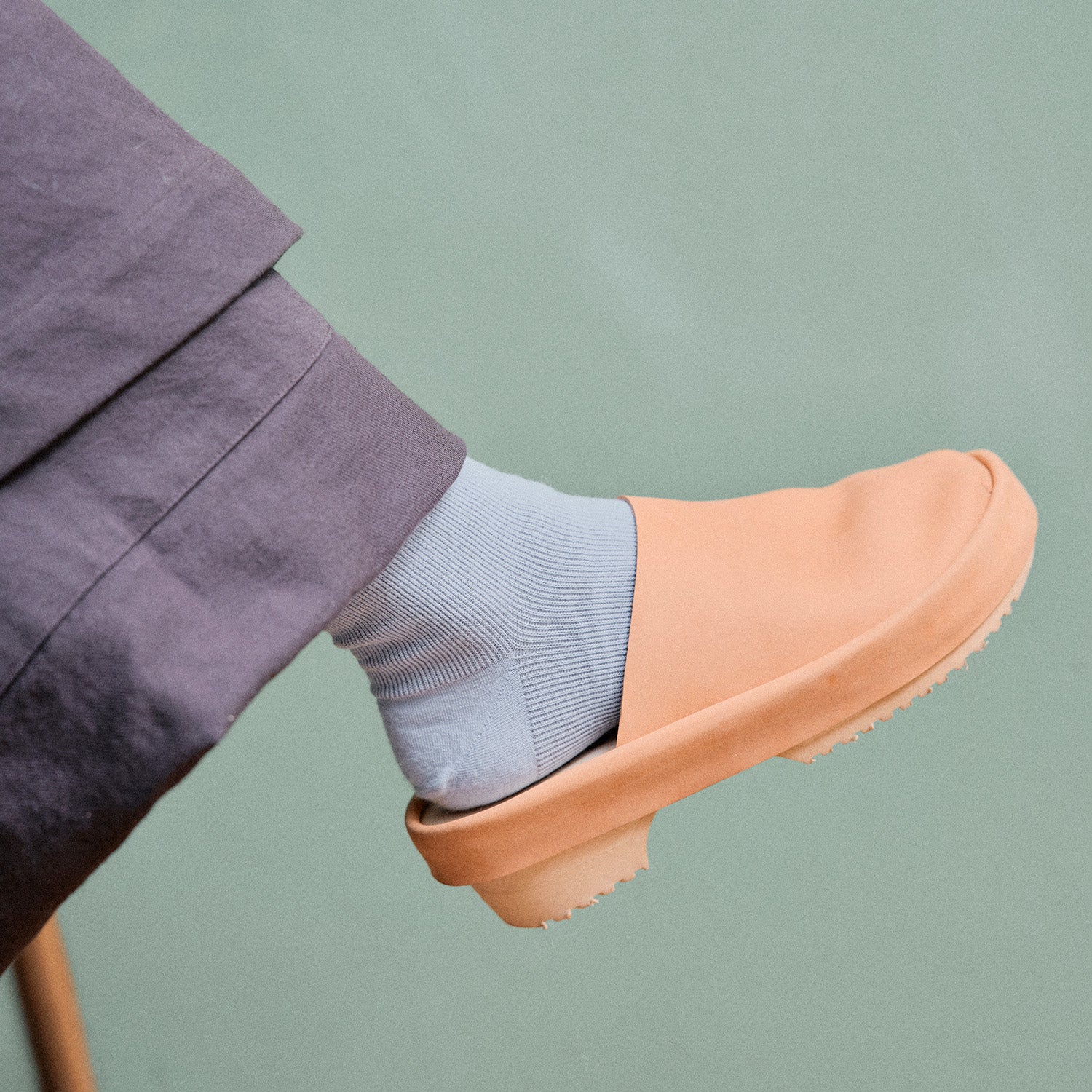
Working with vegetable-tanned leather from Italy, regional wood and other natural materials, we develop each style in our Viennese workshop—sketching, modelling, cutting, sewing, lasting, testing on feet, and refining until a prototype earns its place in production. This process, often spanning several weeks, yields shoes that resist categorization: neither purely functional nor purely aesthetic, but insistently both. Discover our handmade clogs, loafers, slippers, ballerinas, and more.
Clogs
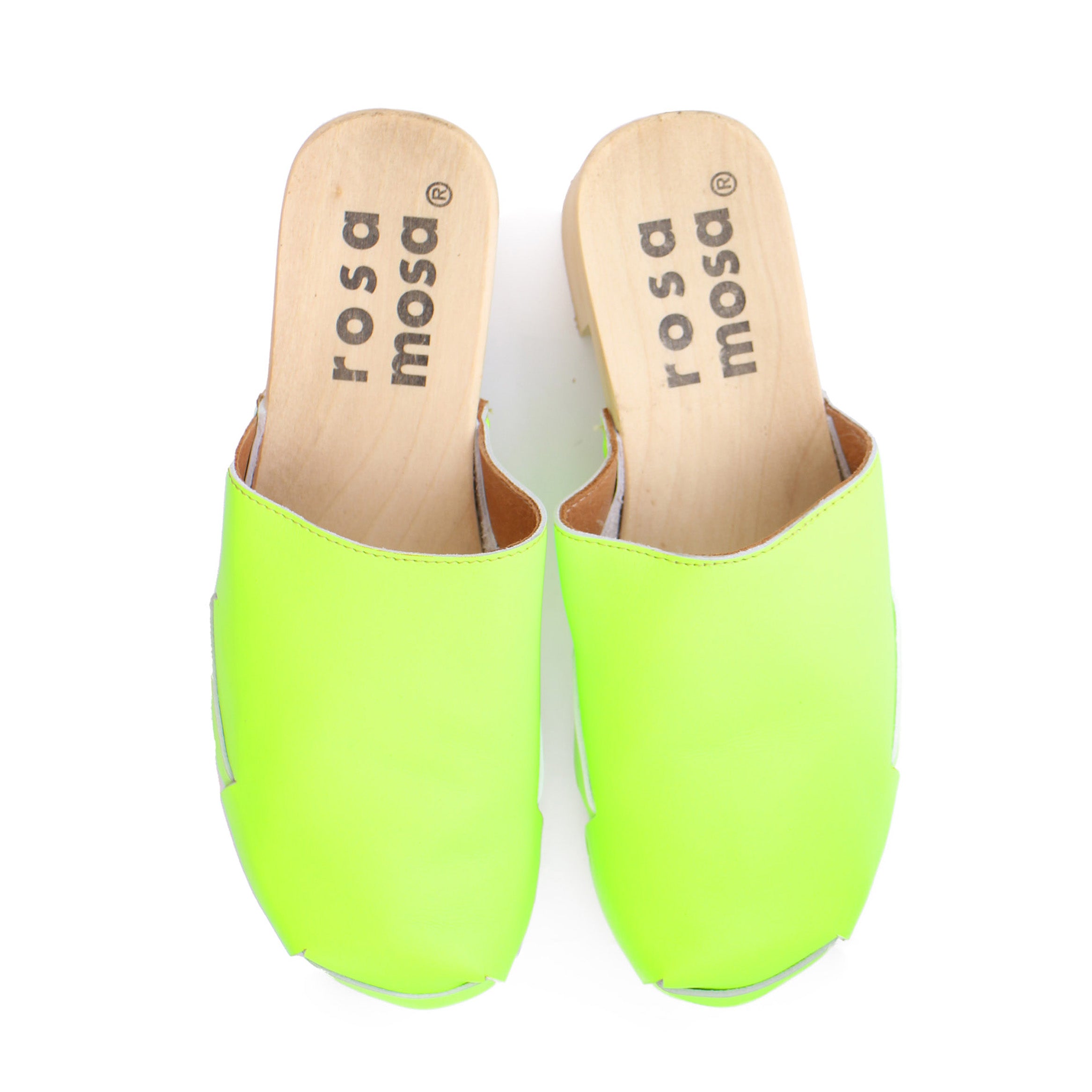
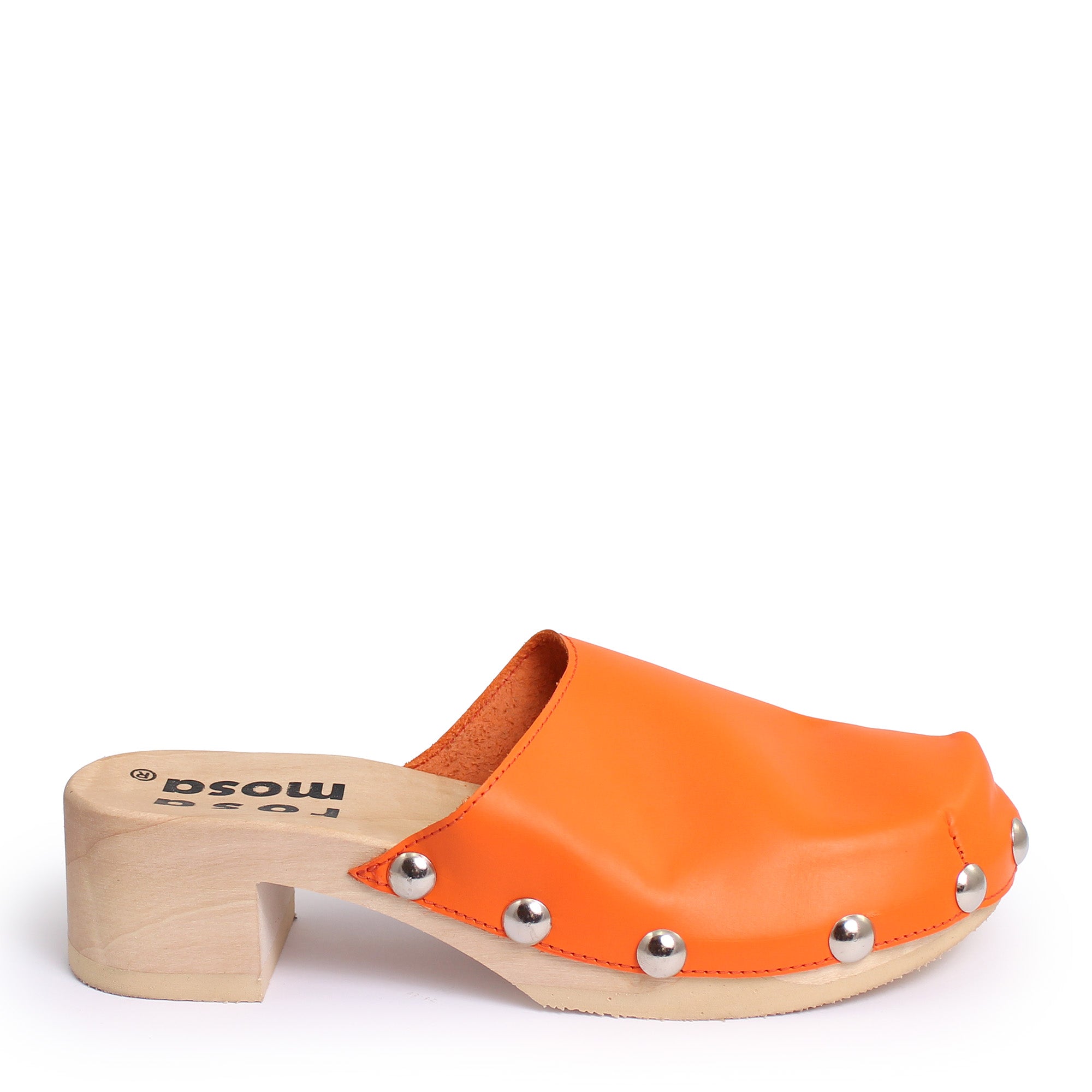
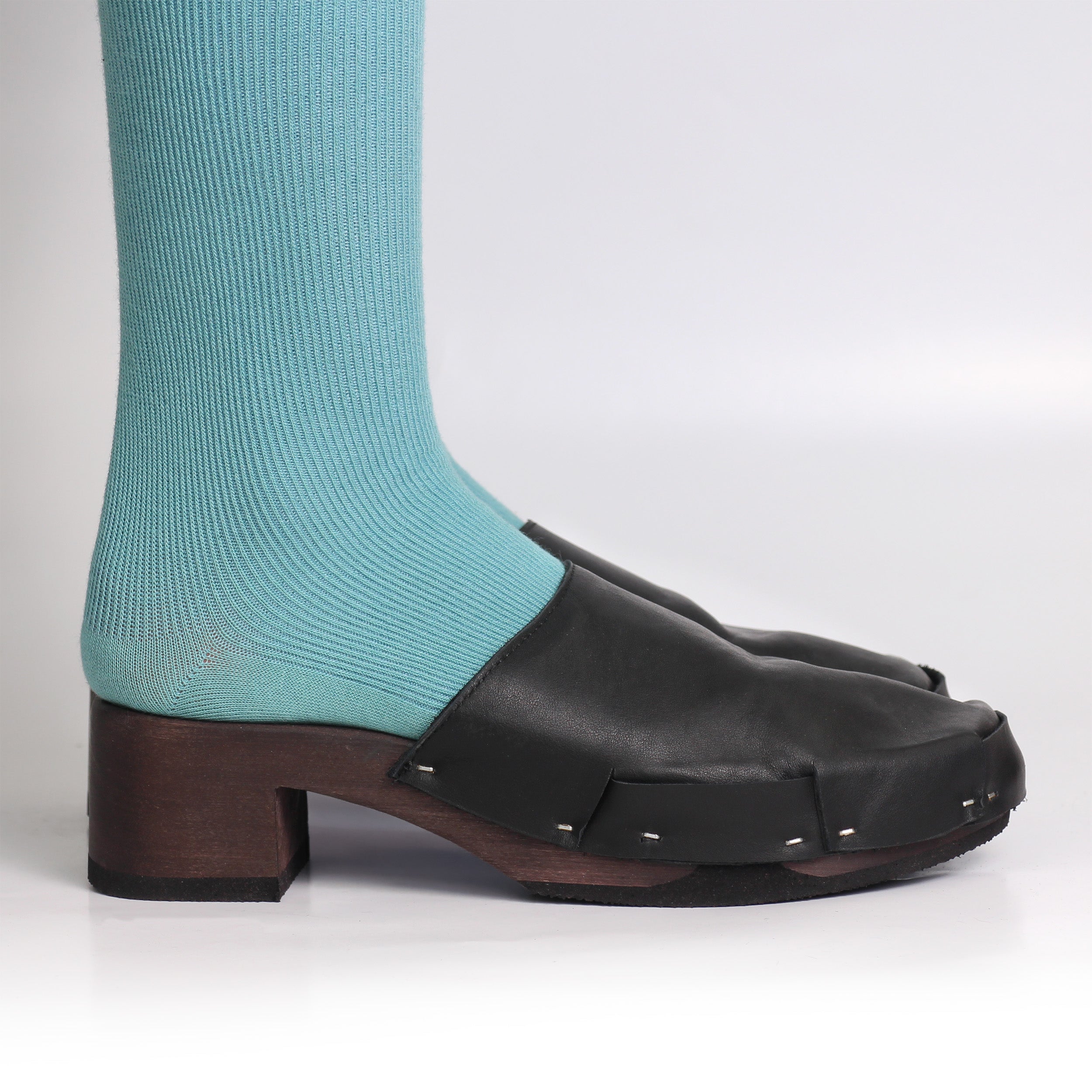
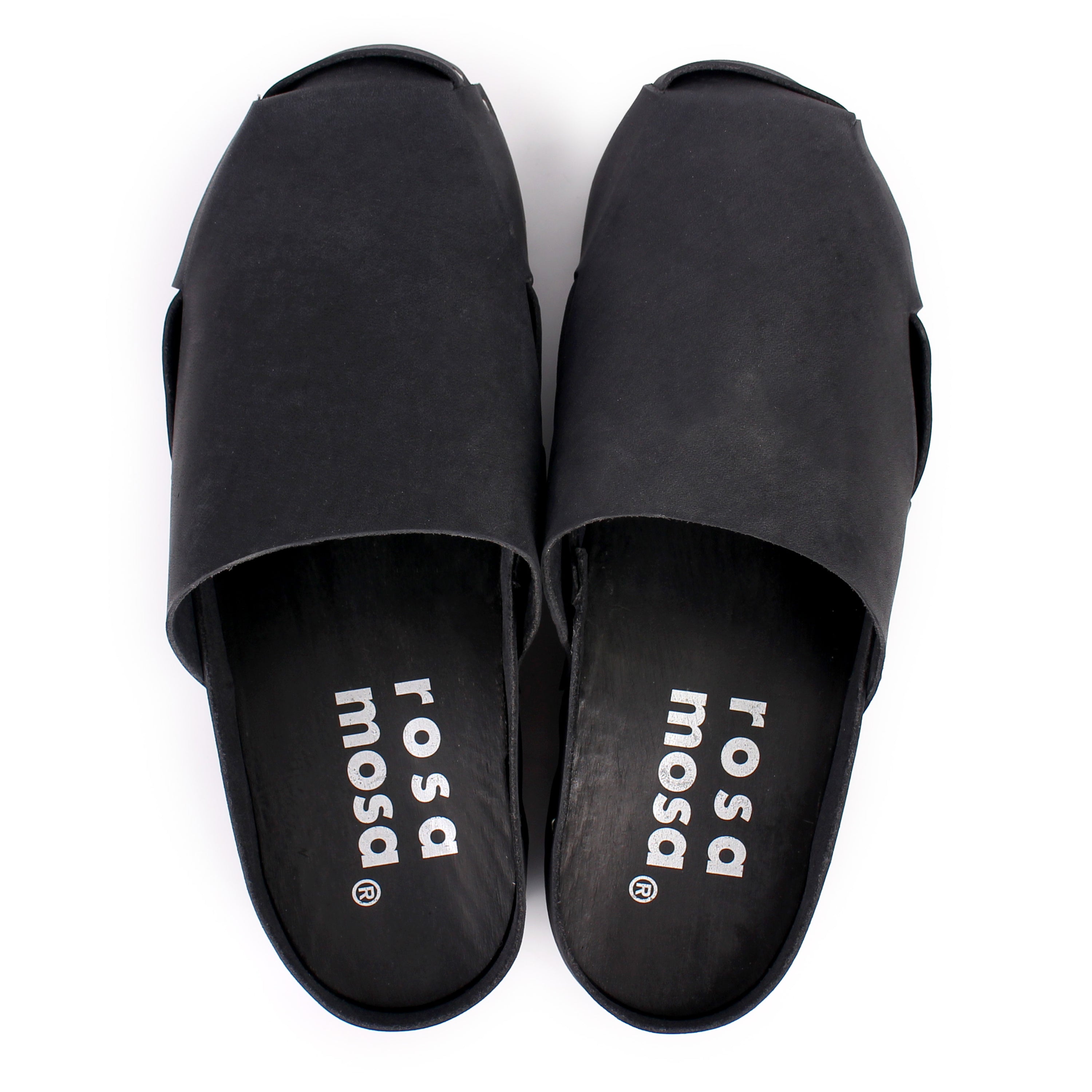
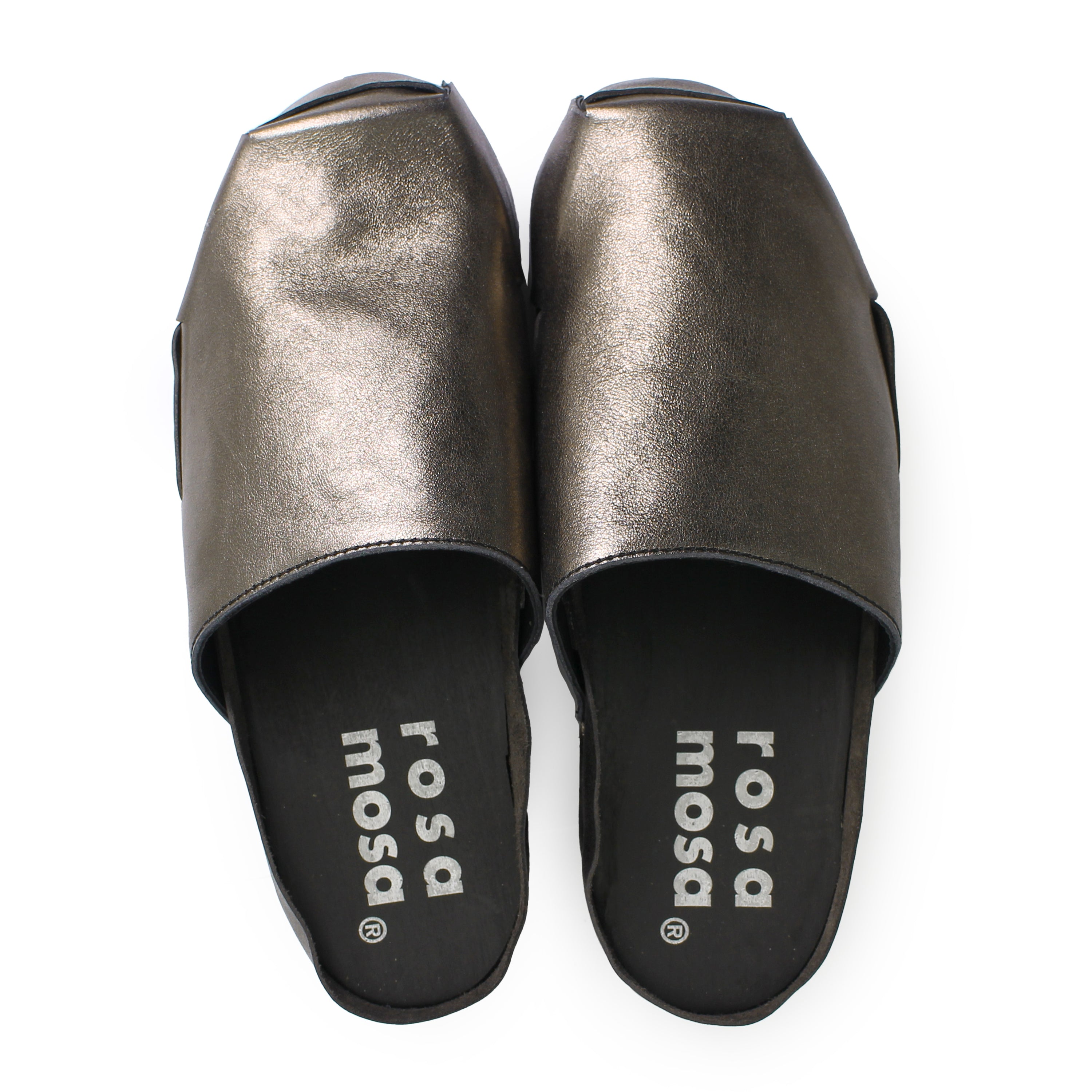
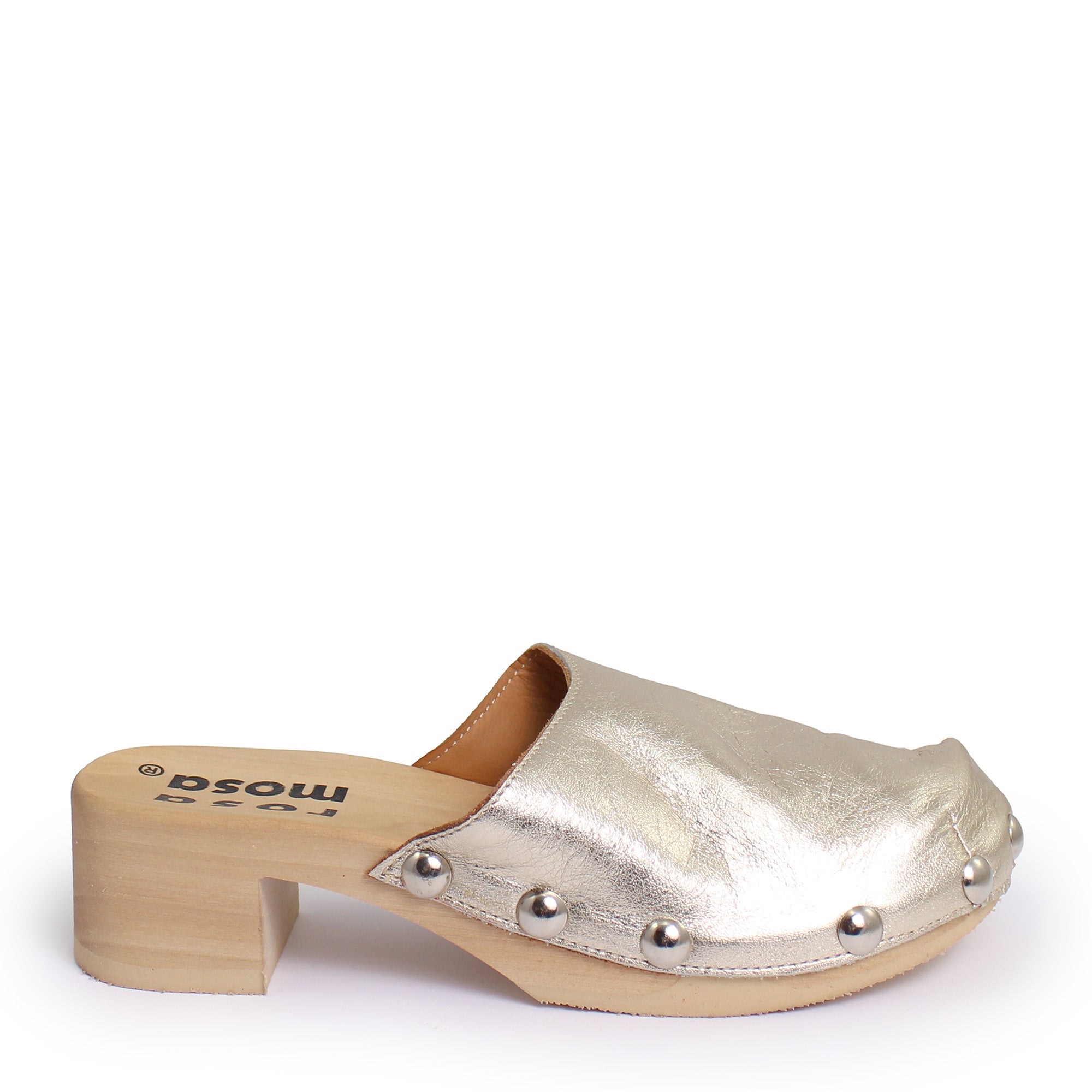
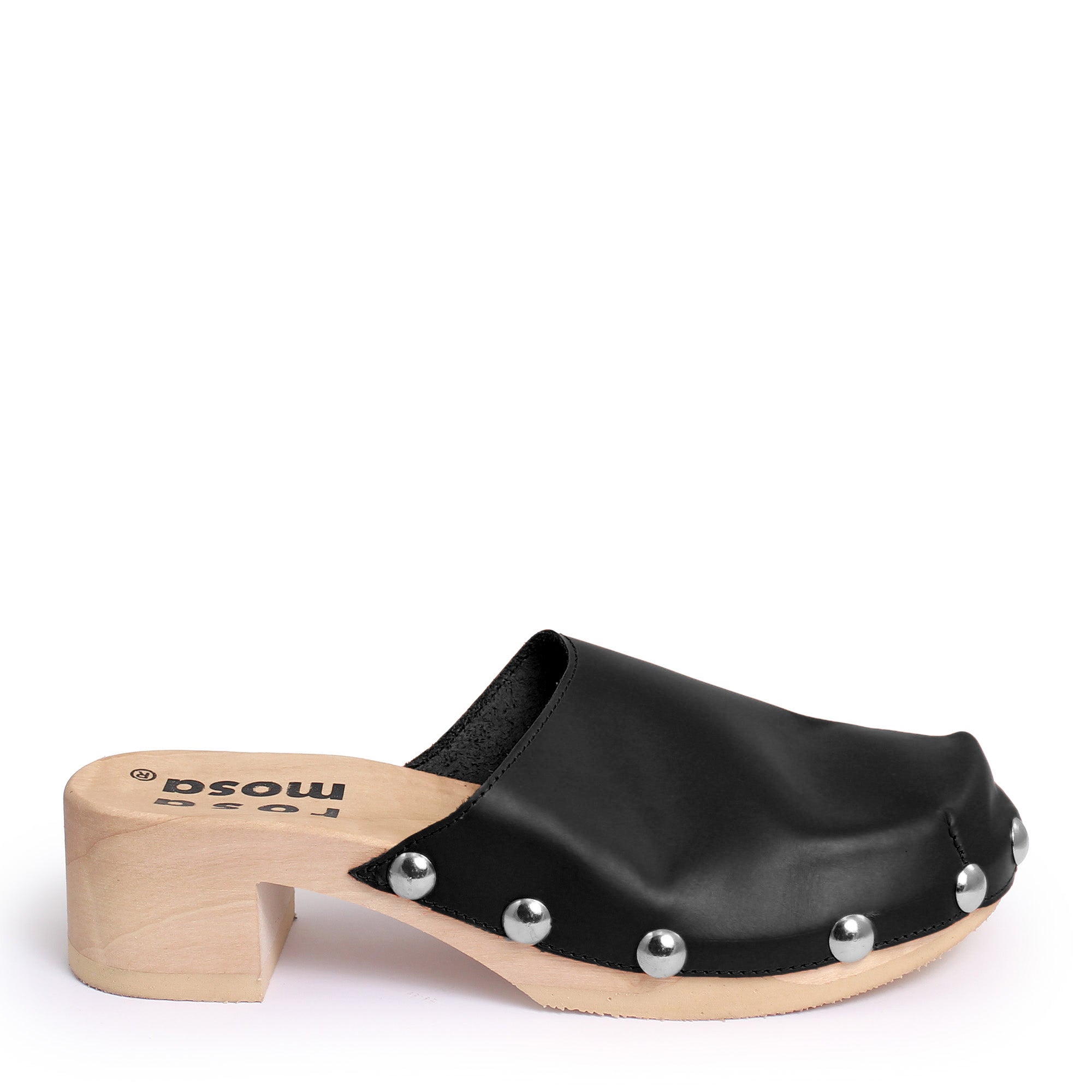
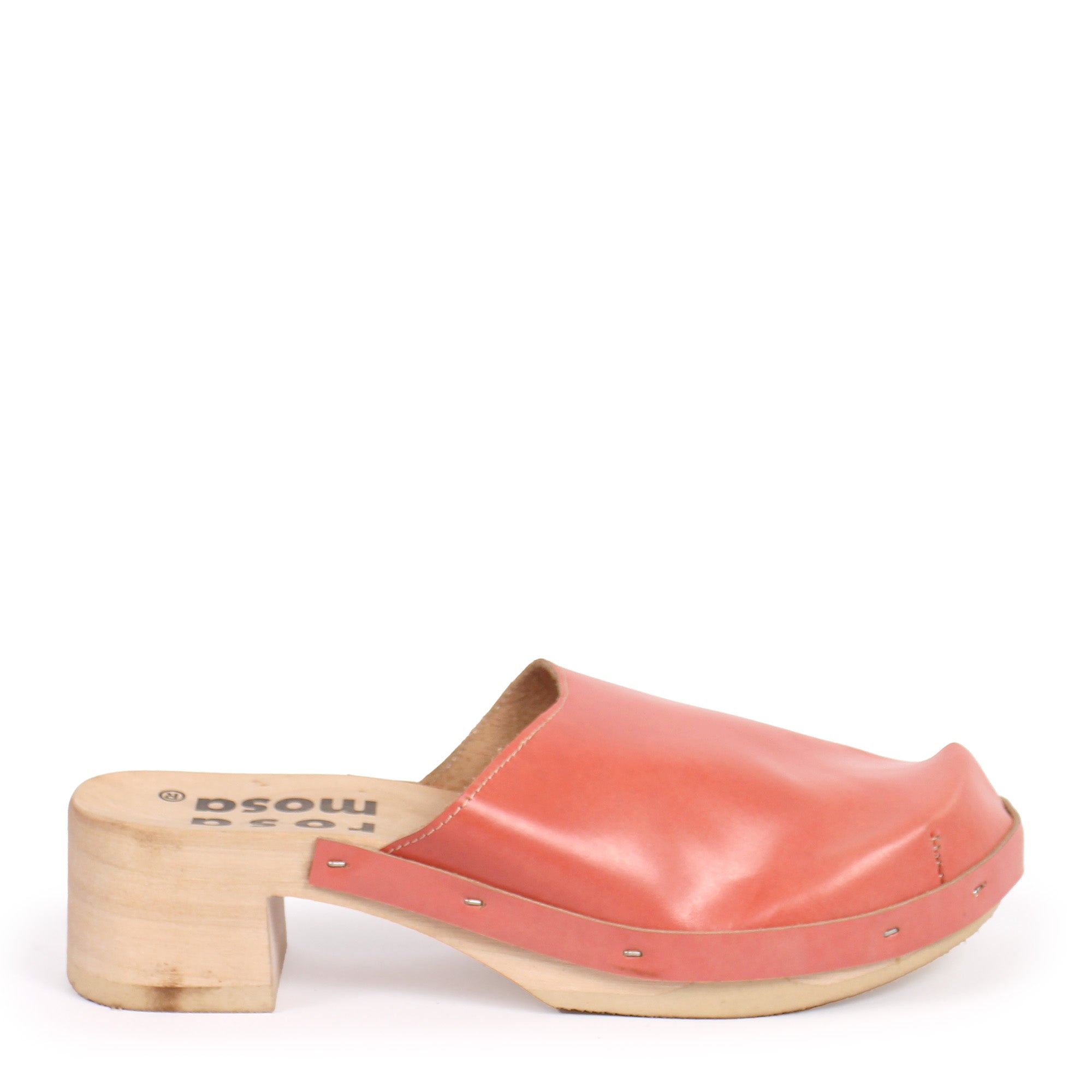
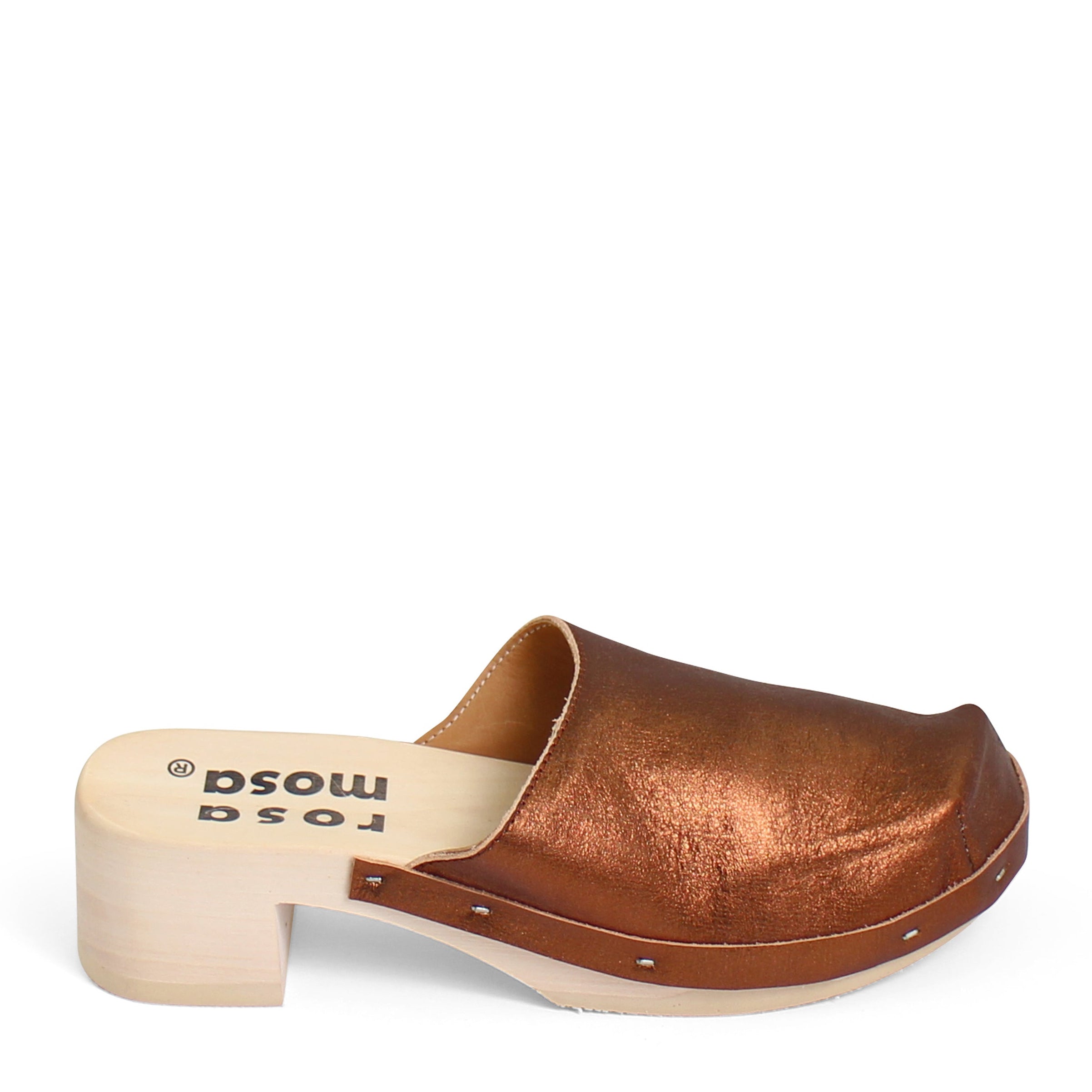
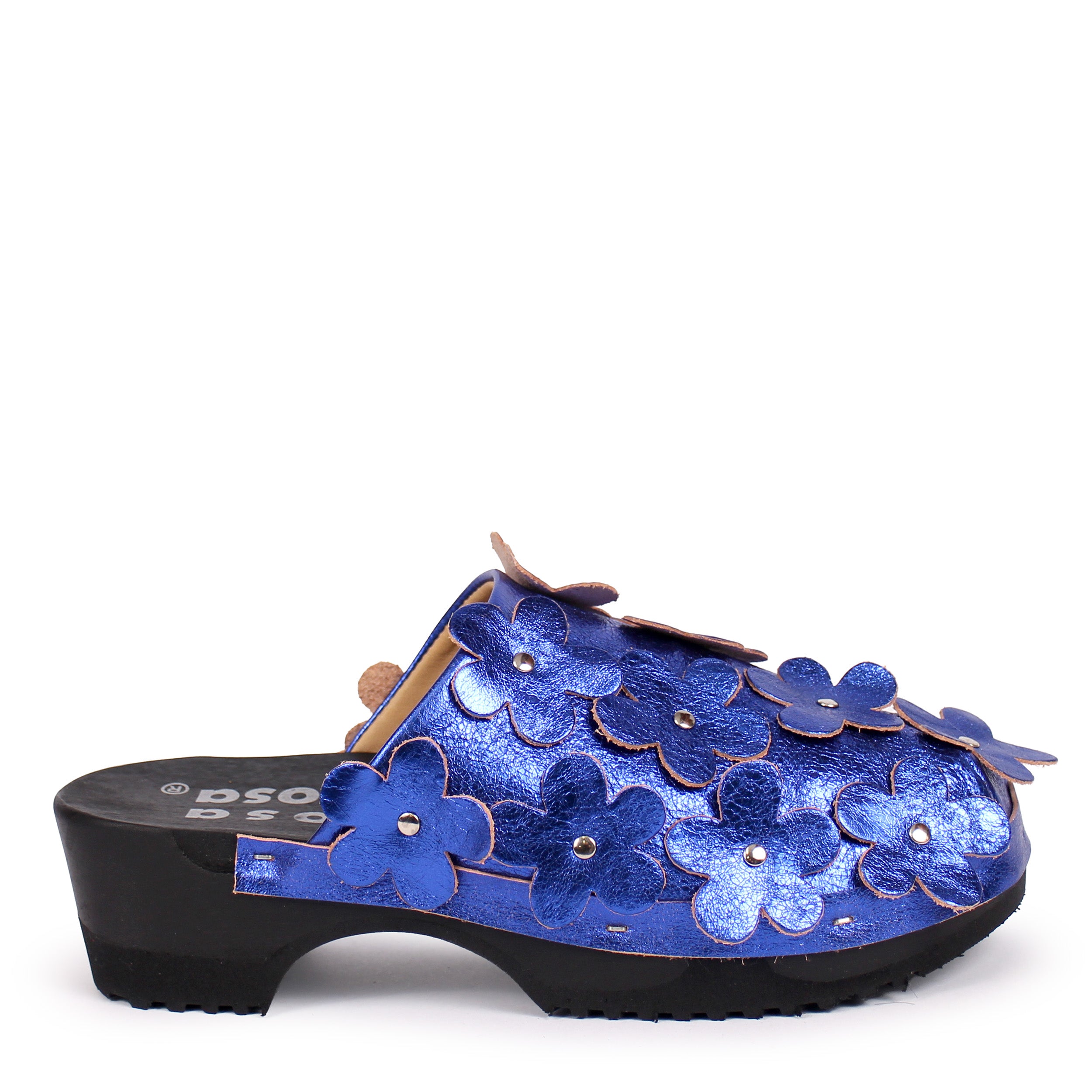
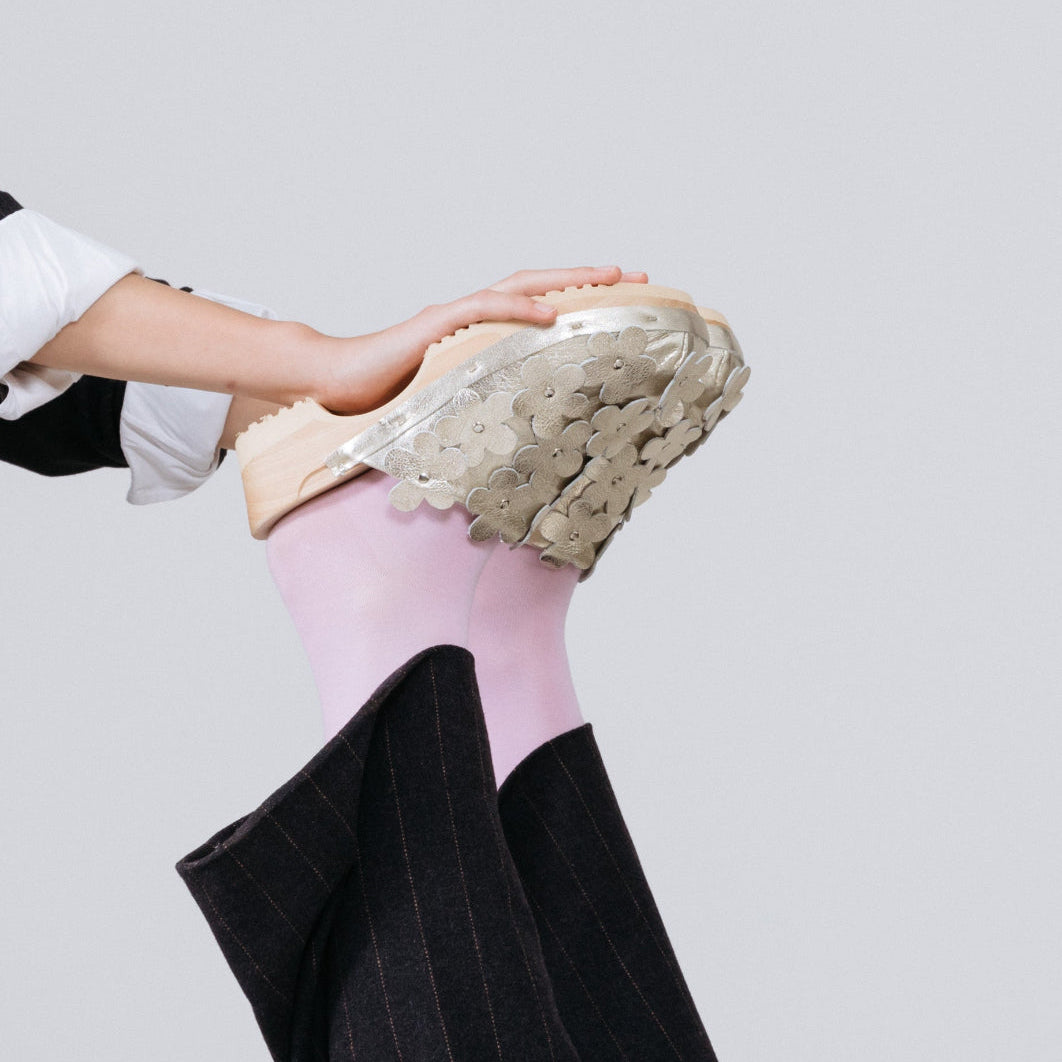
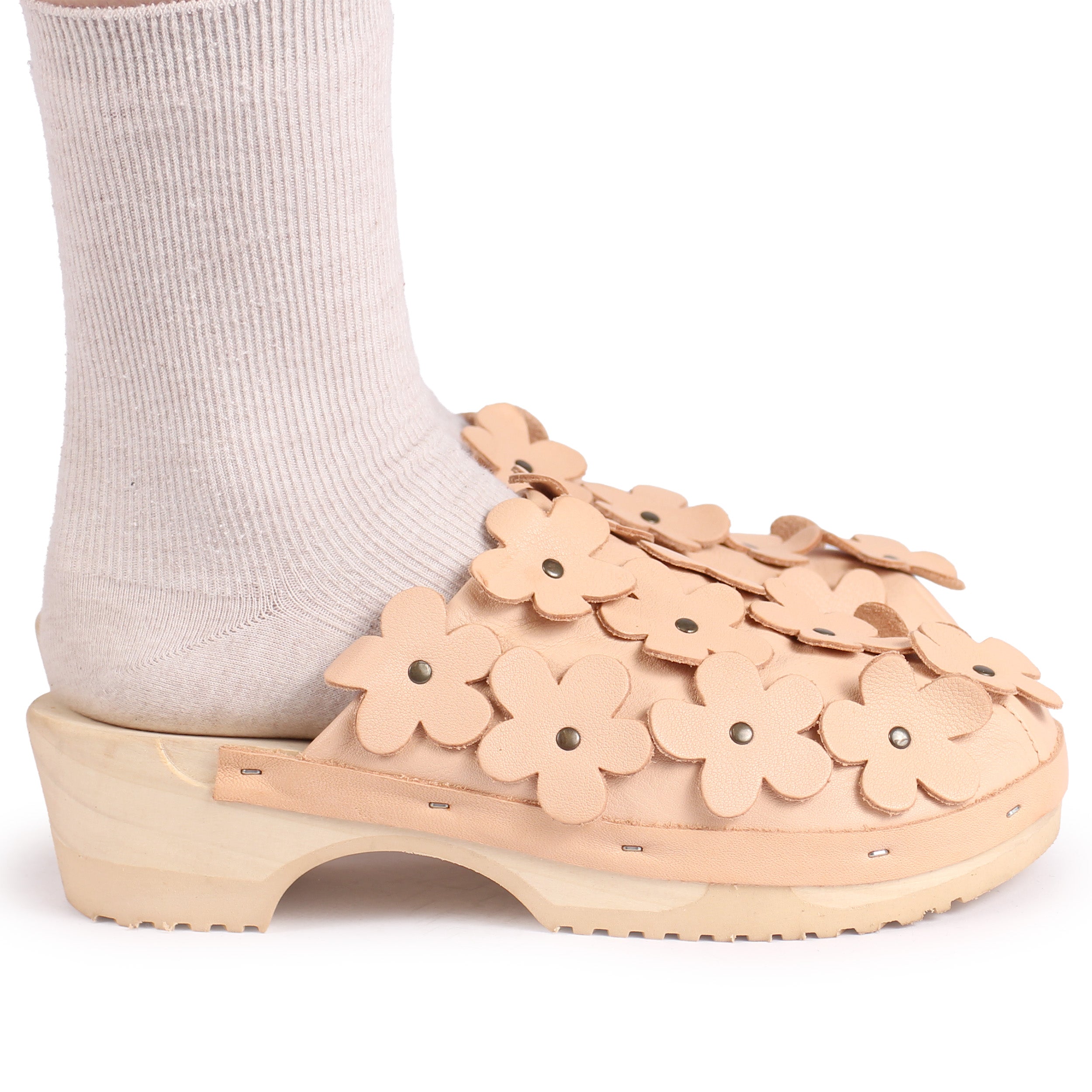
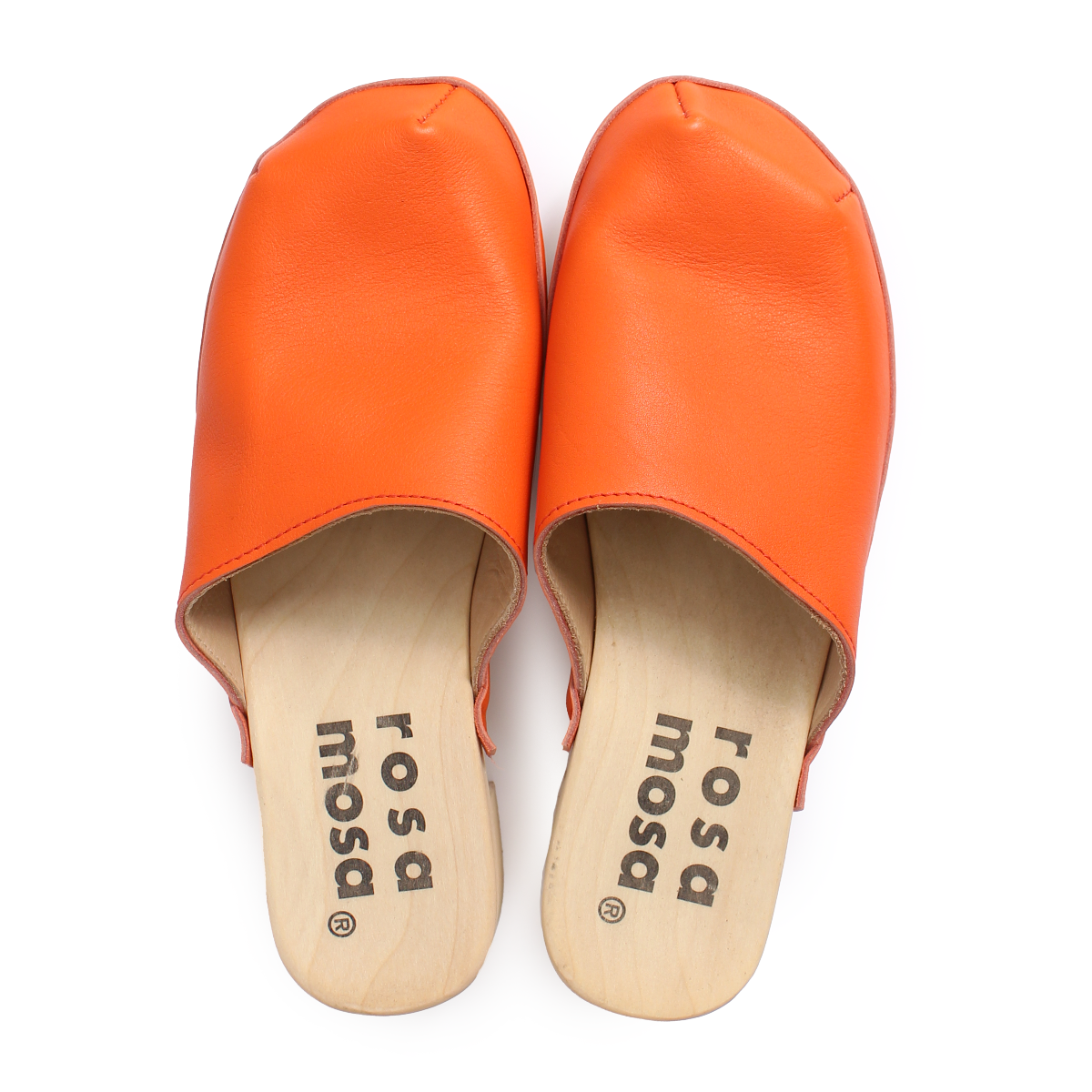
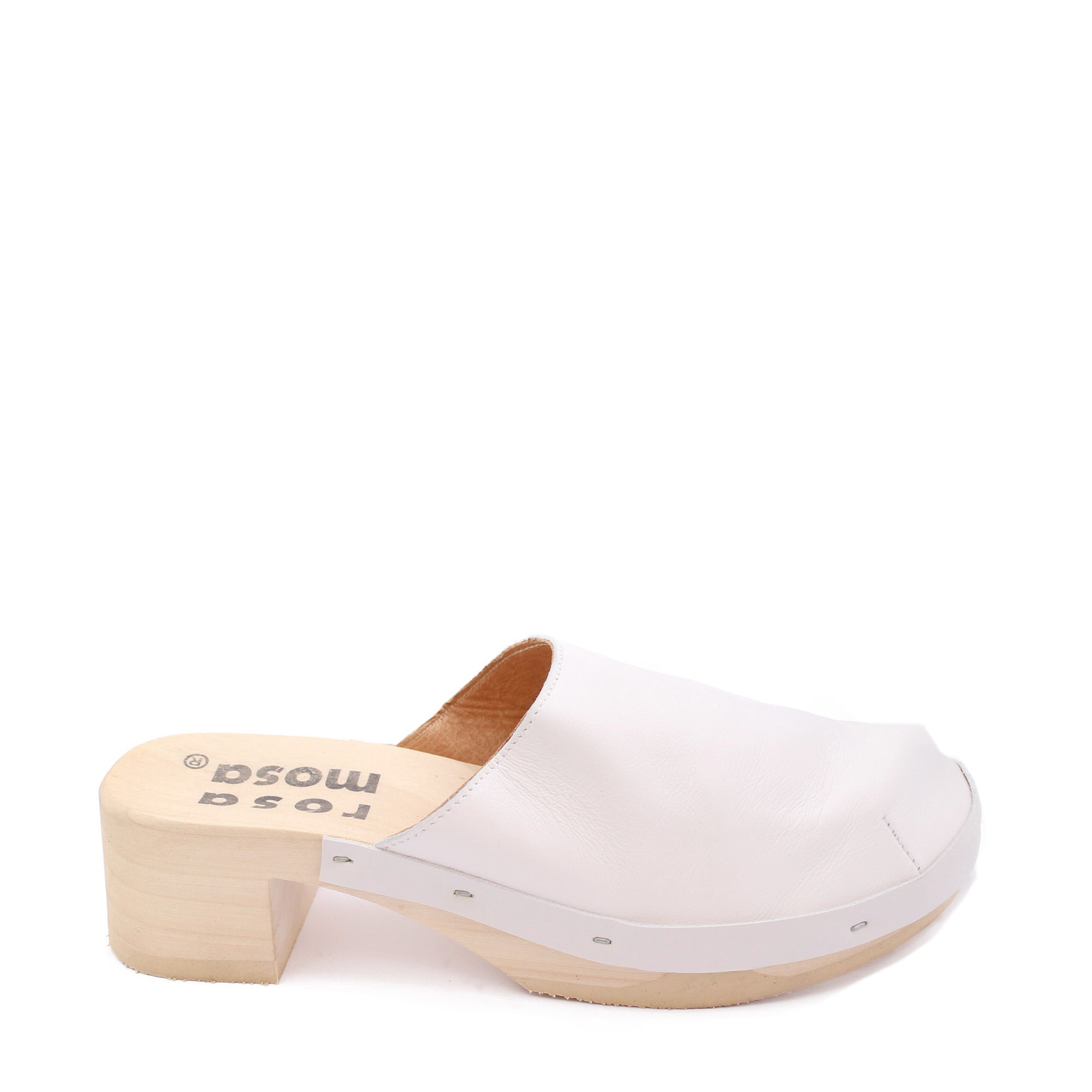
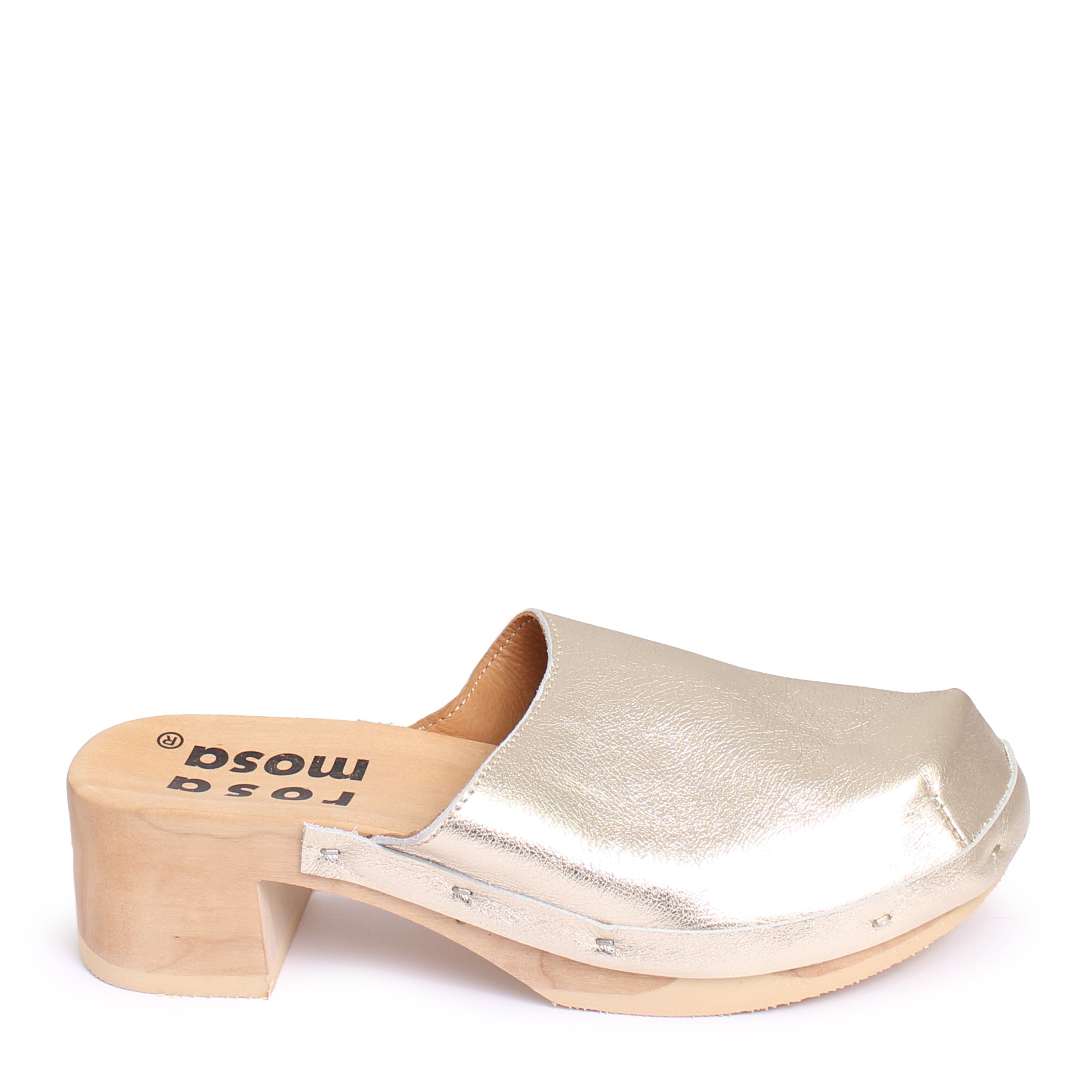
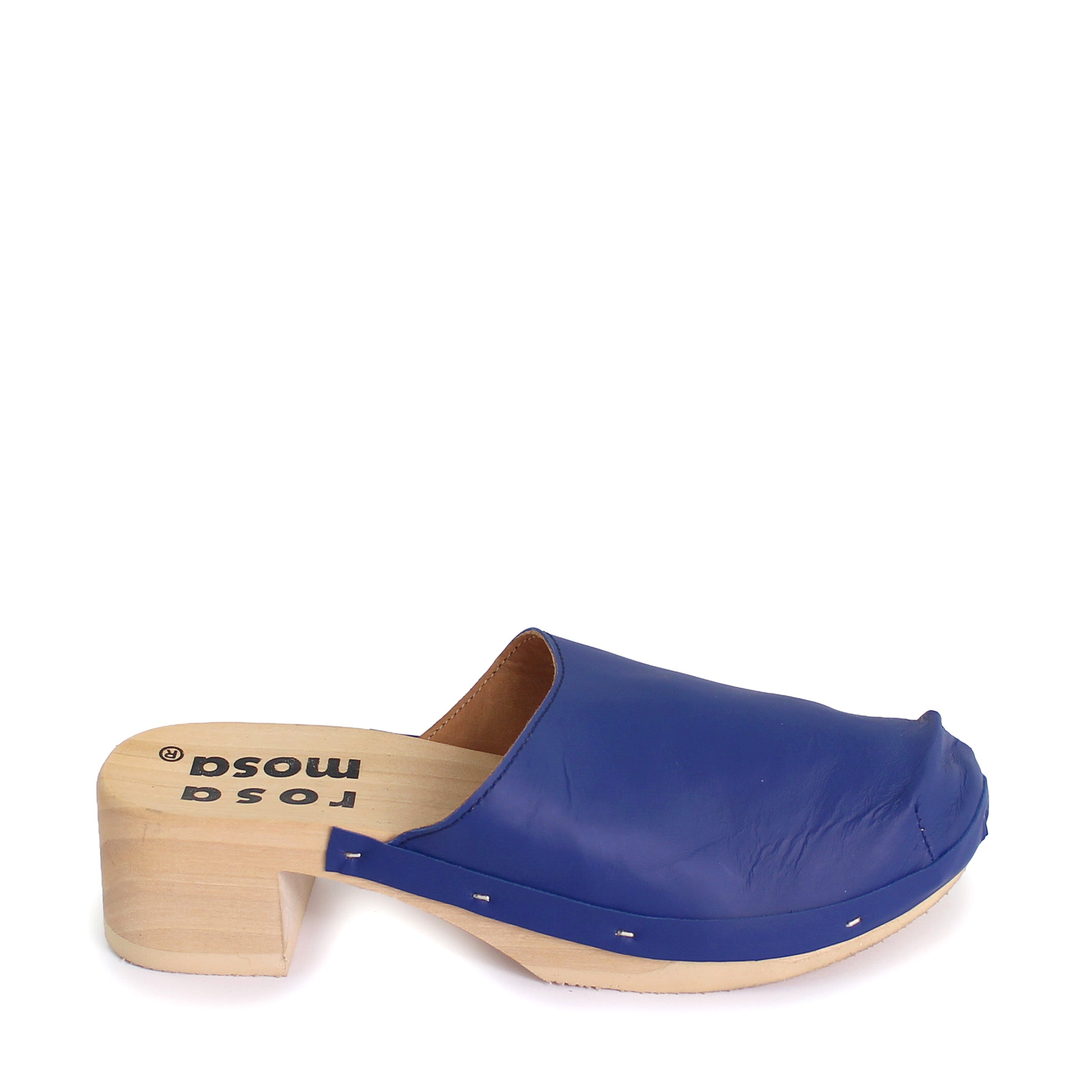
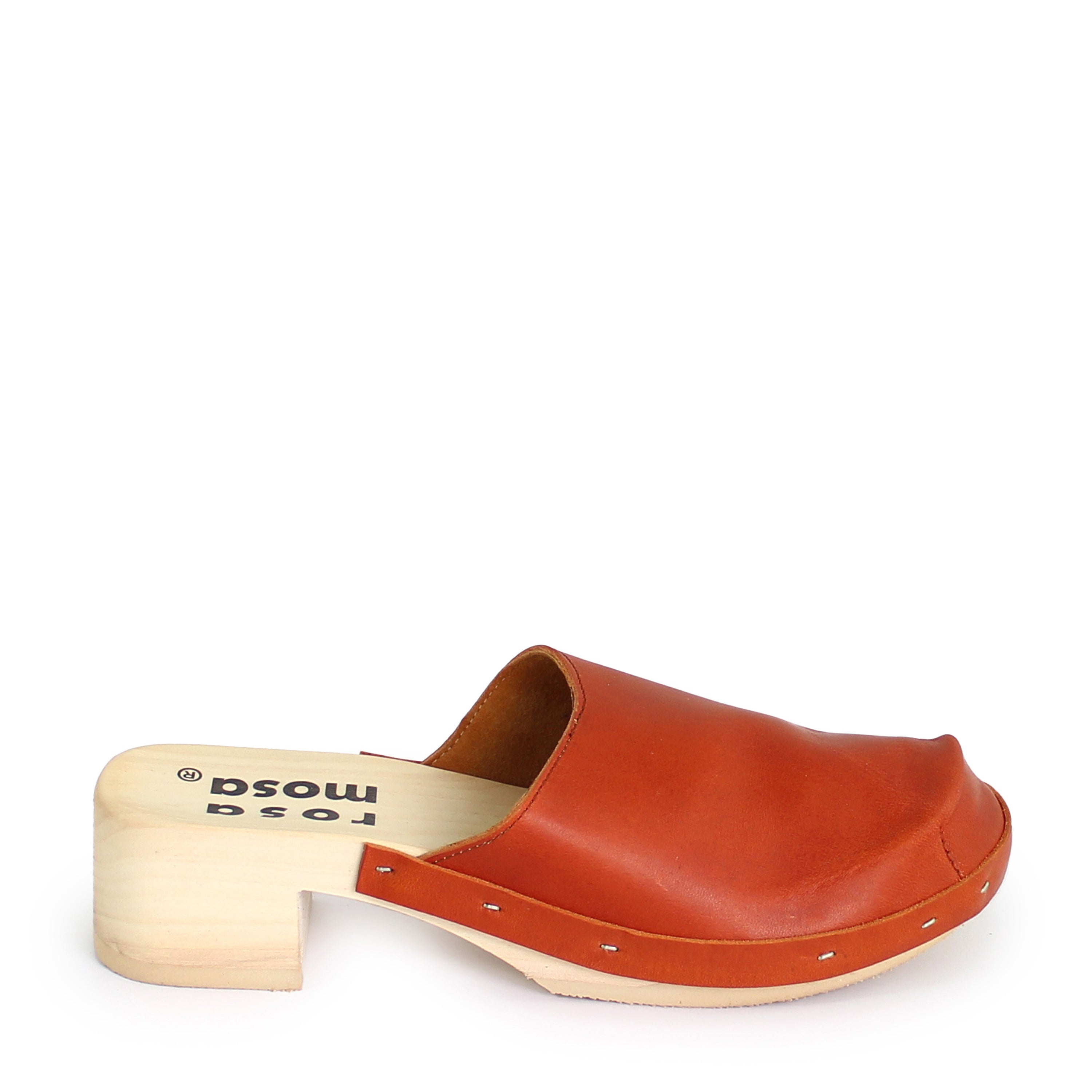
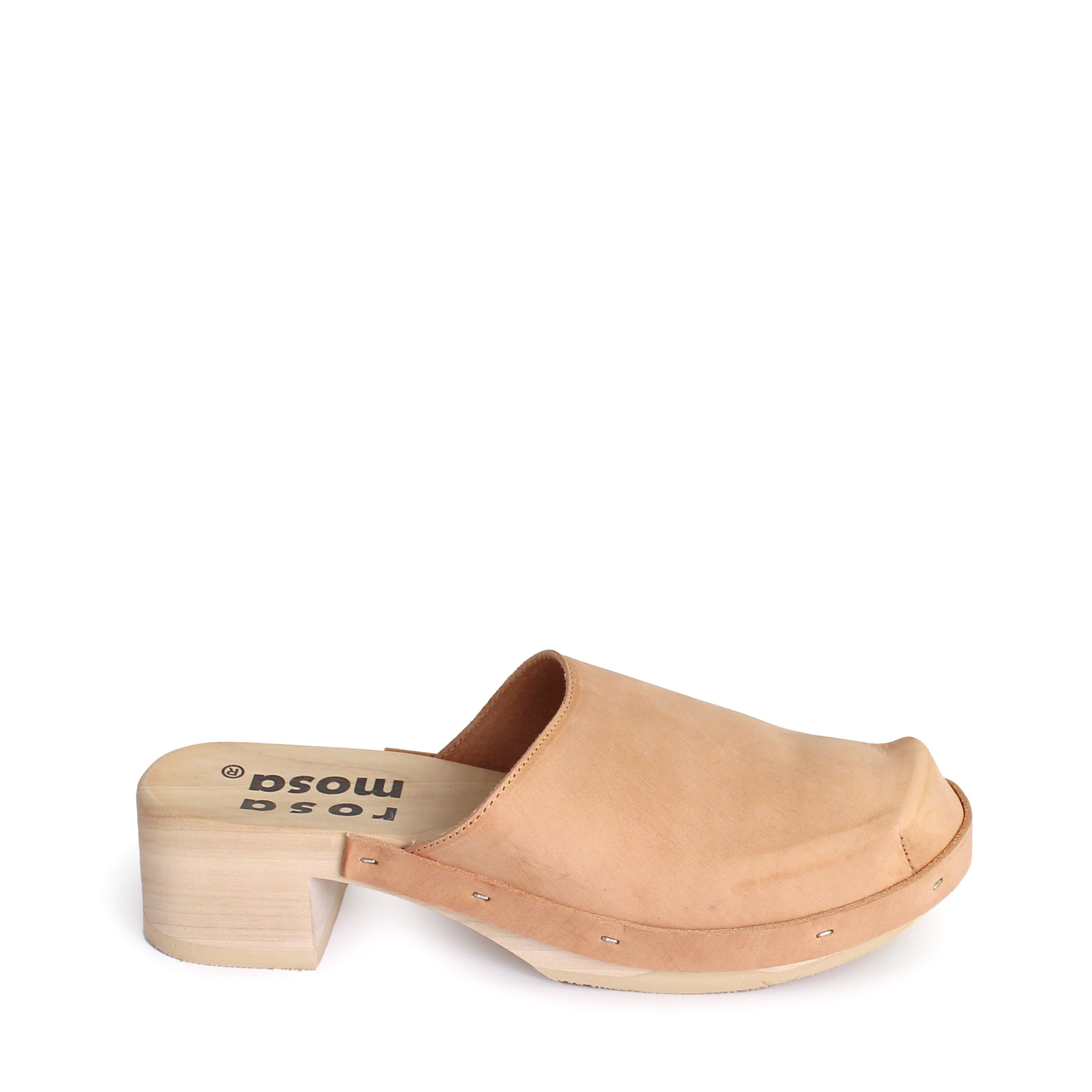
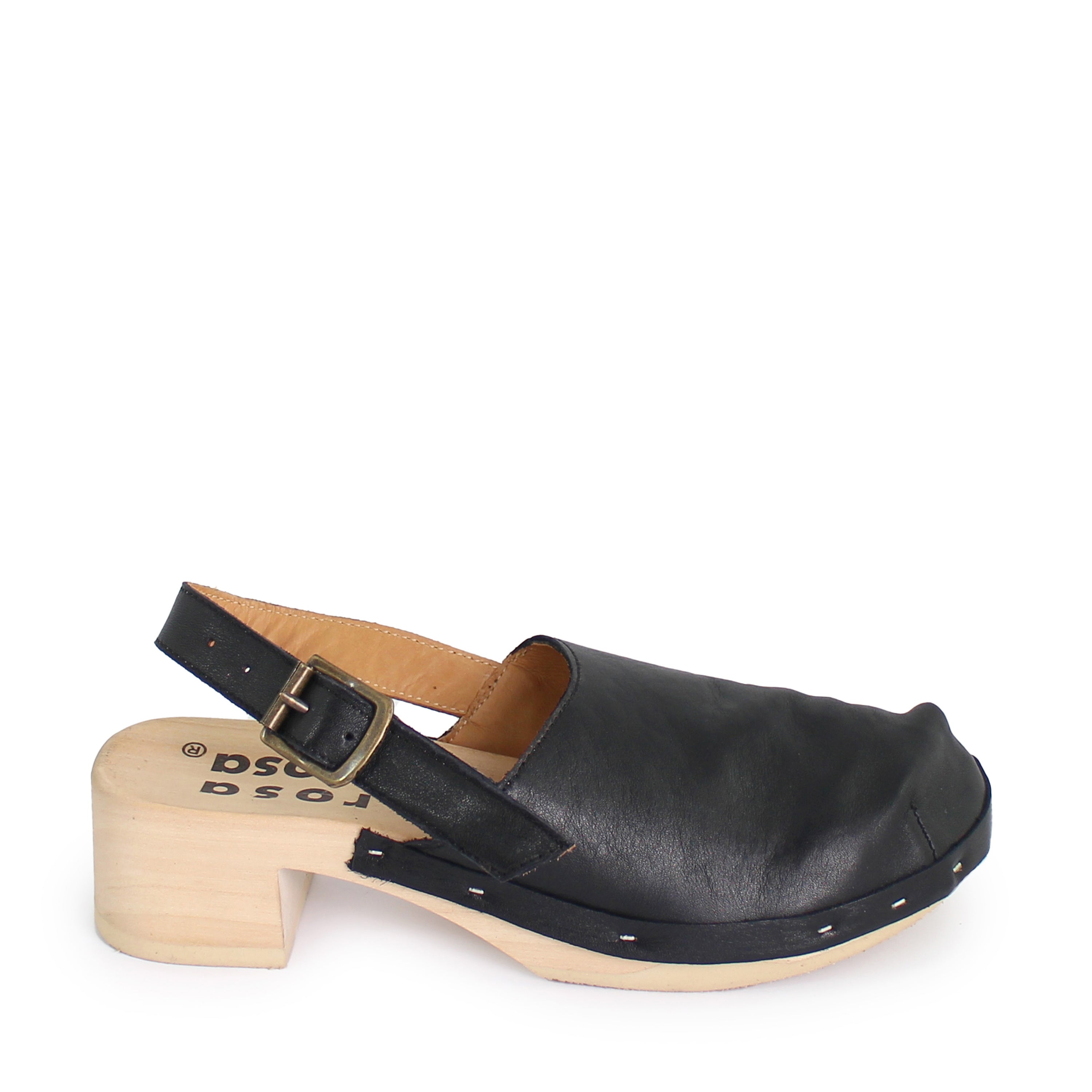
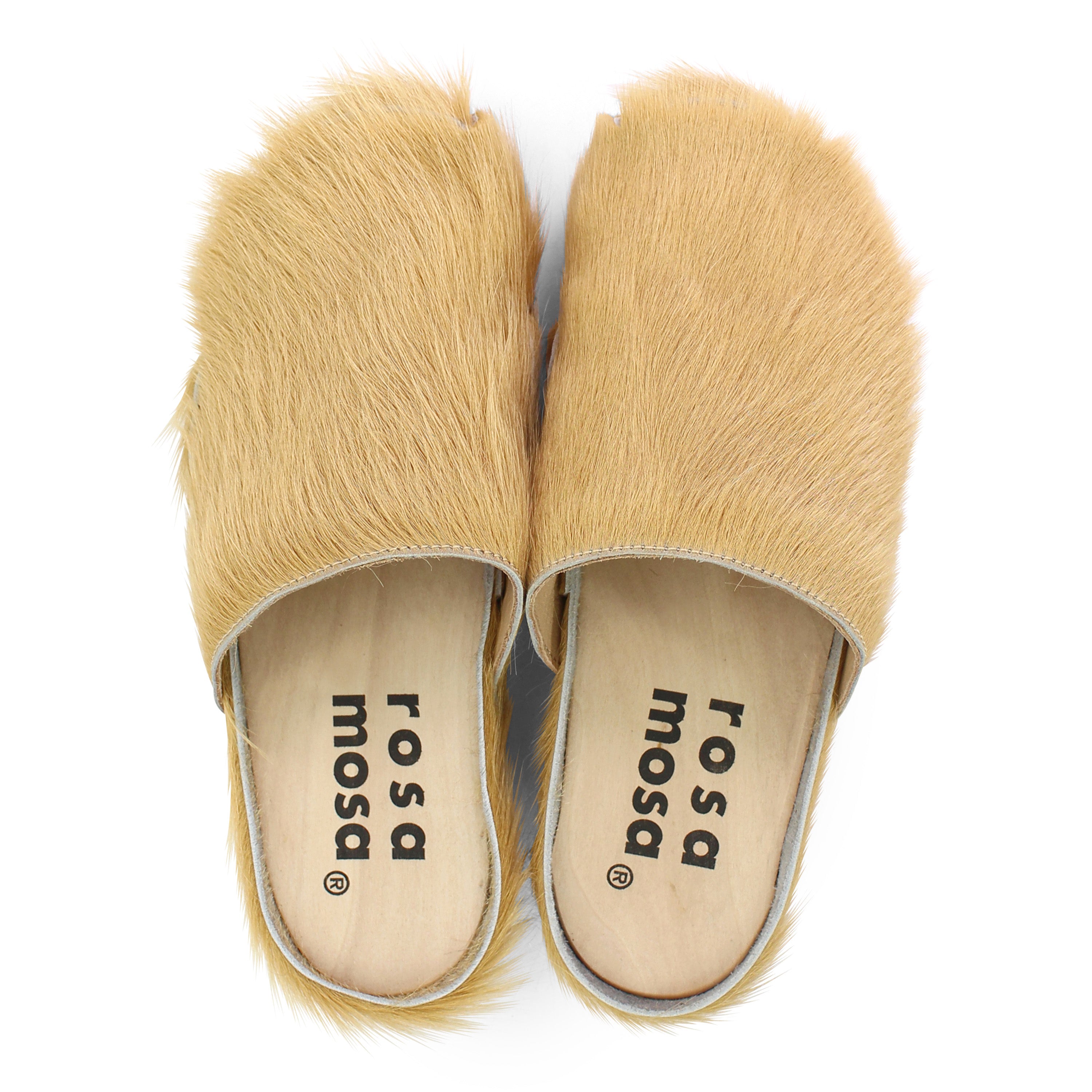
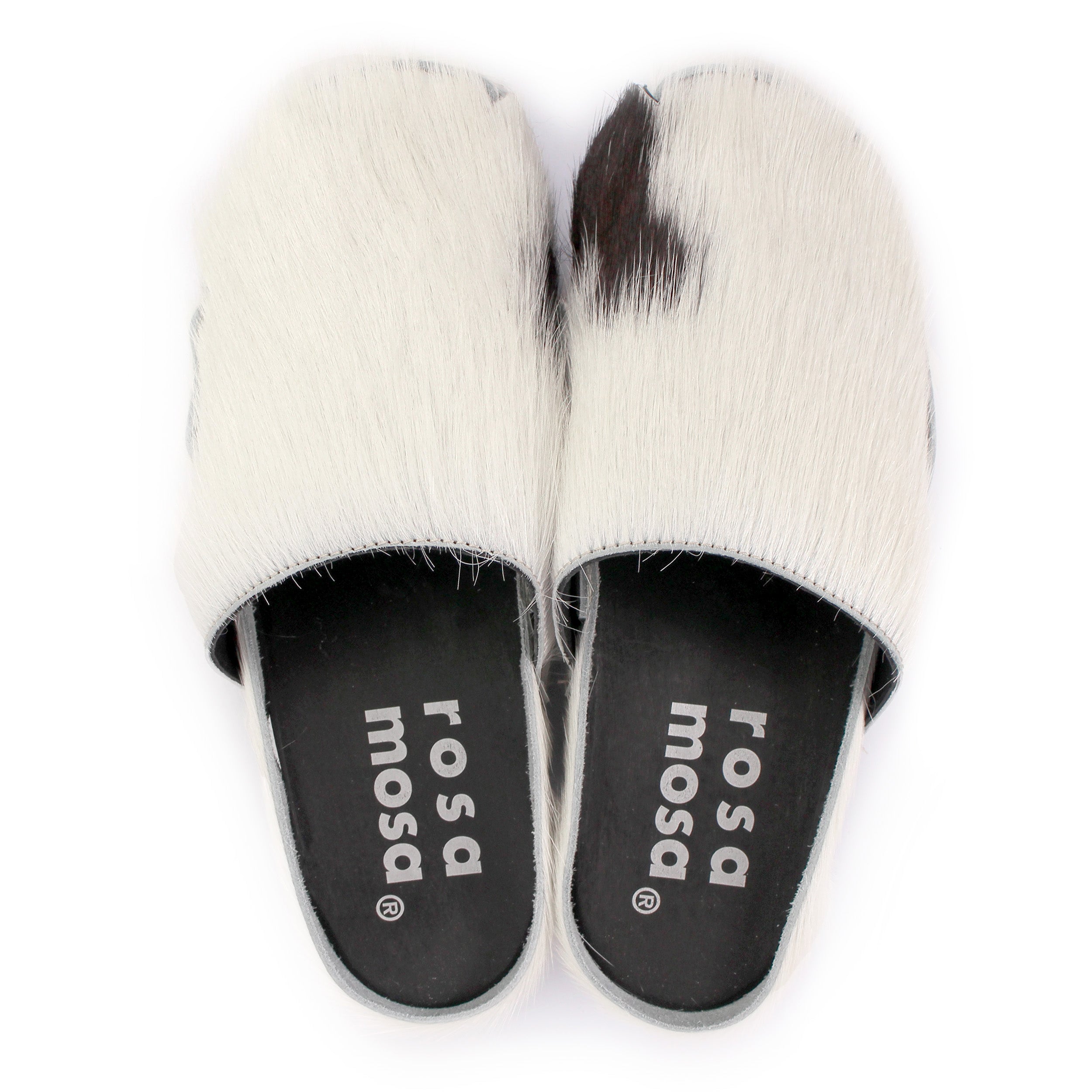
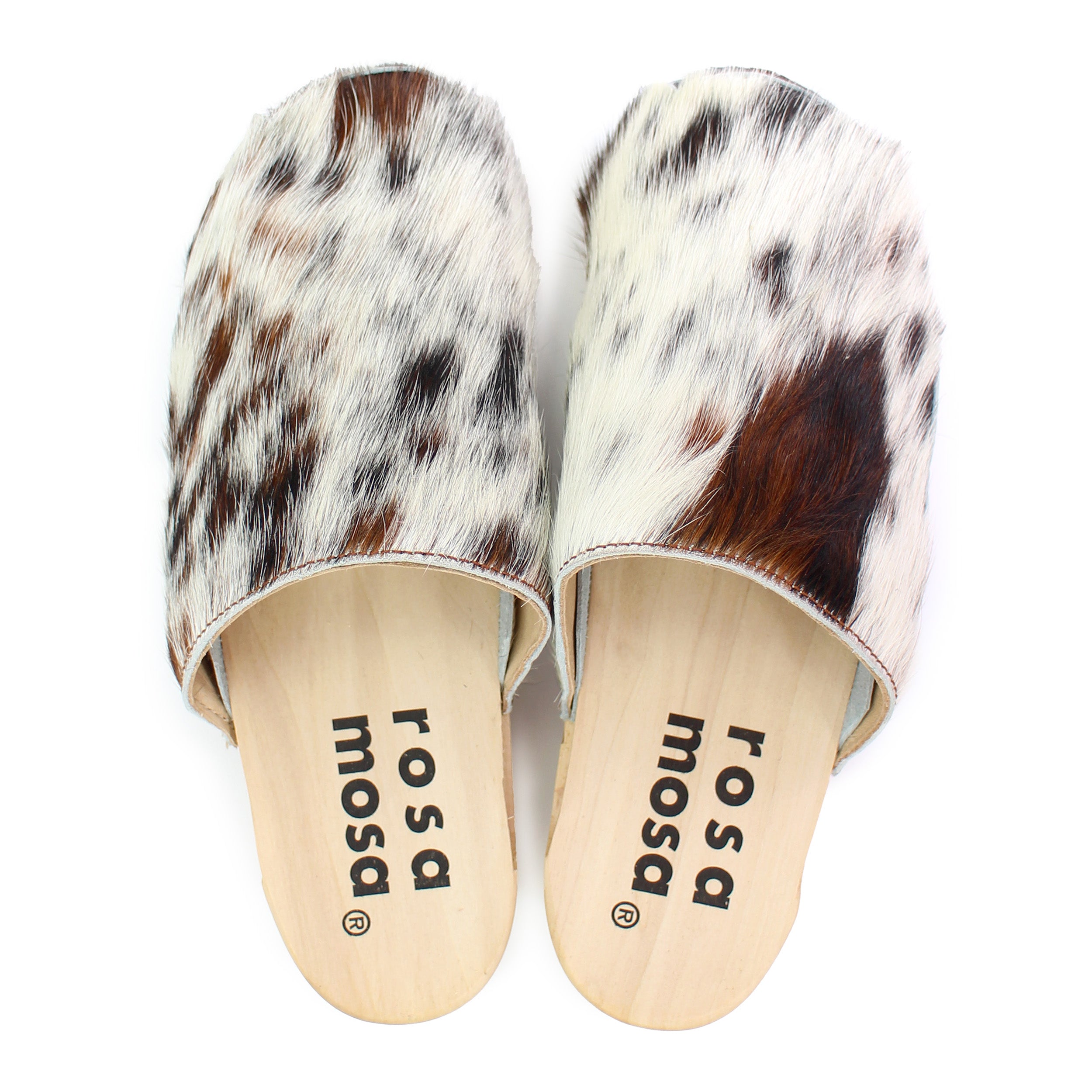
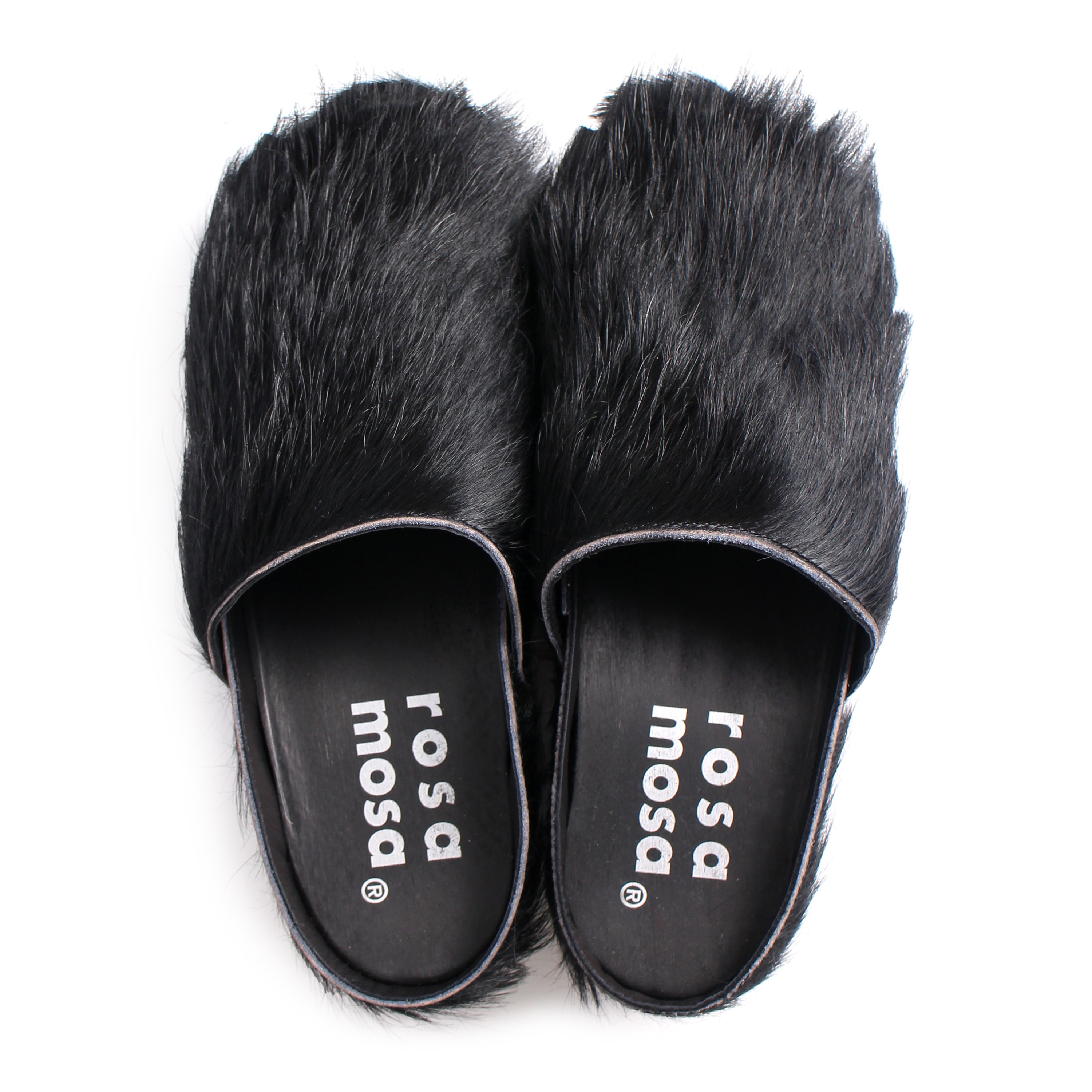
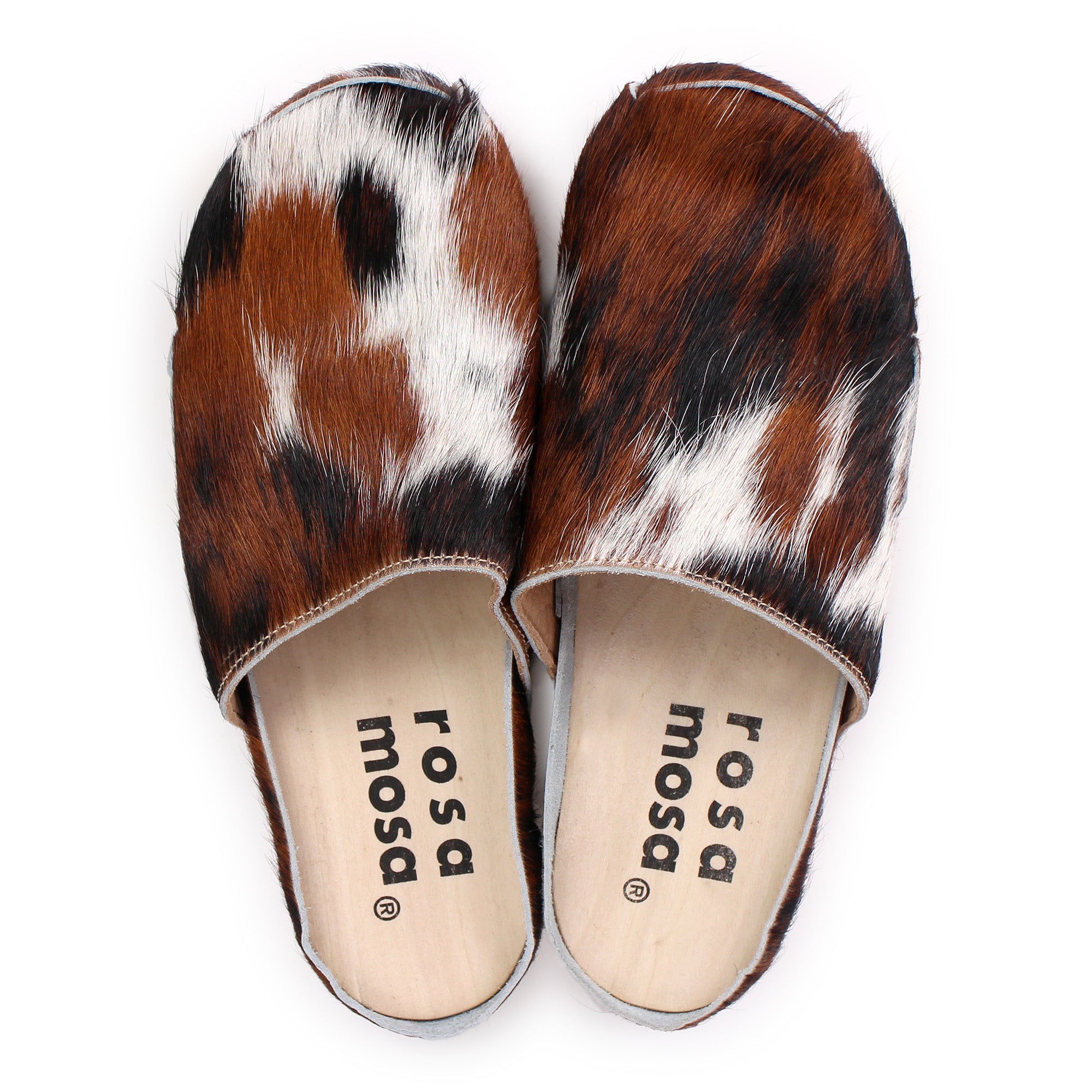
The clog is where our approach to footwear becomes most evident. Soles made from poplar wood that are inset with rubber create unexpected flexibility and softness—a small detail that transforms how these shoes move with you. Our Donau and Panto models have evolved into timeless classics over the past few years, reinterpreted across multiple variations while maintaining their essential character. Each clog is stitched with minimal adhesive, prioritizing longevity.
Loafers, lace-ups & ballerinas
Our loafers, such as the Welted Leather Loafer Shoes in deep green, offer a clean alternative. The absence of laces creates effortless elegance, while the welted construction ensures durability and longevity.
Lace-up shoes like the Delemont 11 Norwegian Welted Lace-up Leather Shoes bring structured sophistication without stiffness. Their adjustable lacing system allows for a customized fit, making them ideal for those who prefer more control over support and comfort throughout the day.
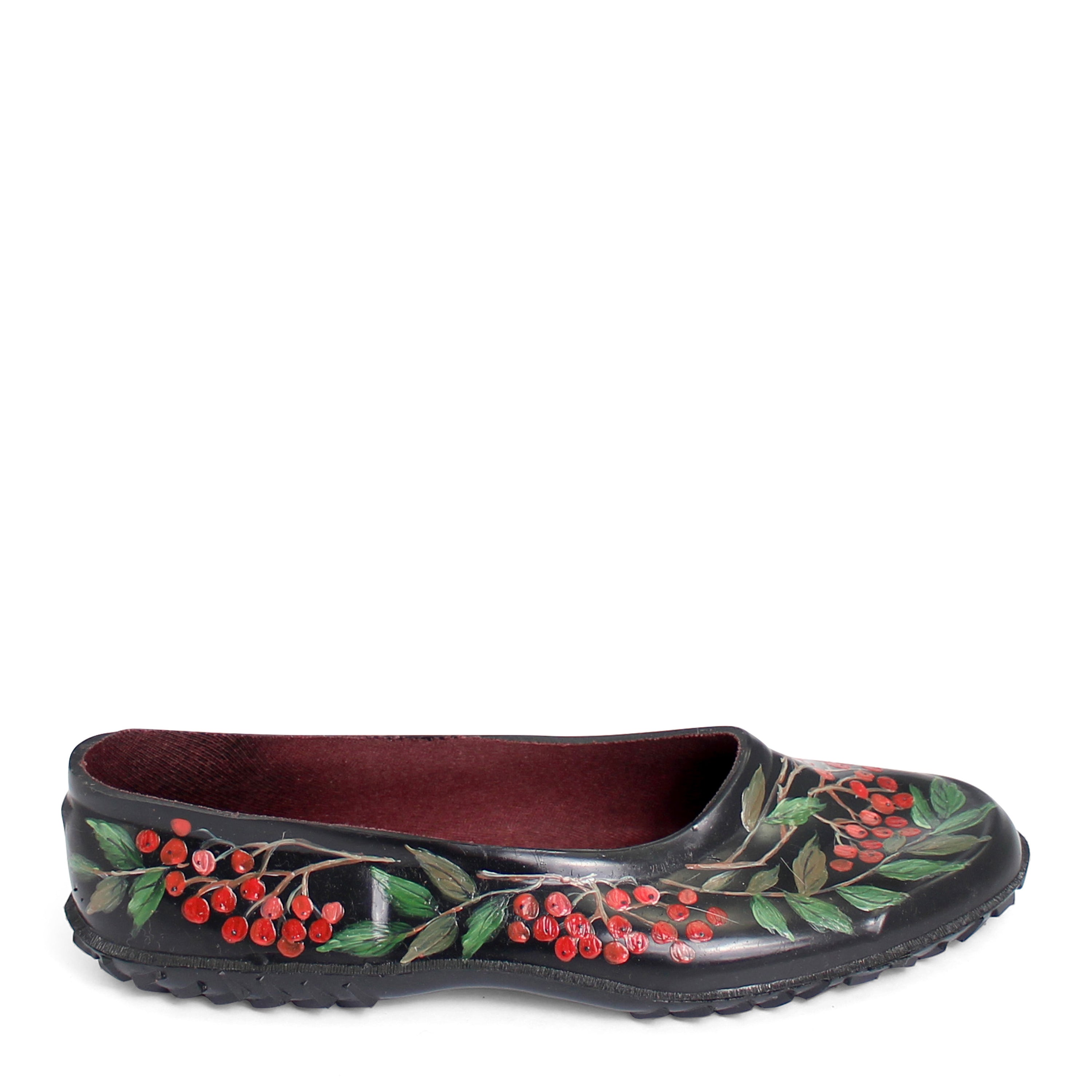
Ballerinas, such as the Strawberry Hand-painted Rain Shoes, prove that delicate forms can be durable. Their painted finishes add individual character to each pair, transforming a classic silhouette into something distinctly personal. Each hand-painted detail ensures no two pairs are identical.
Slip-ons & slippers
Slip-ons dissolve the boundary between casual and refined—easy to wear, impossible to overlook. Our Karrè Canvas Slip-on Shoes in olive are a good example of this.
They represent the practical side of our design philosophy: shoes that require no fastening yet maintain structure and intention. The use of canvas provides breathability while retaining the crafted quality that defines our workshop approach.
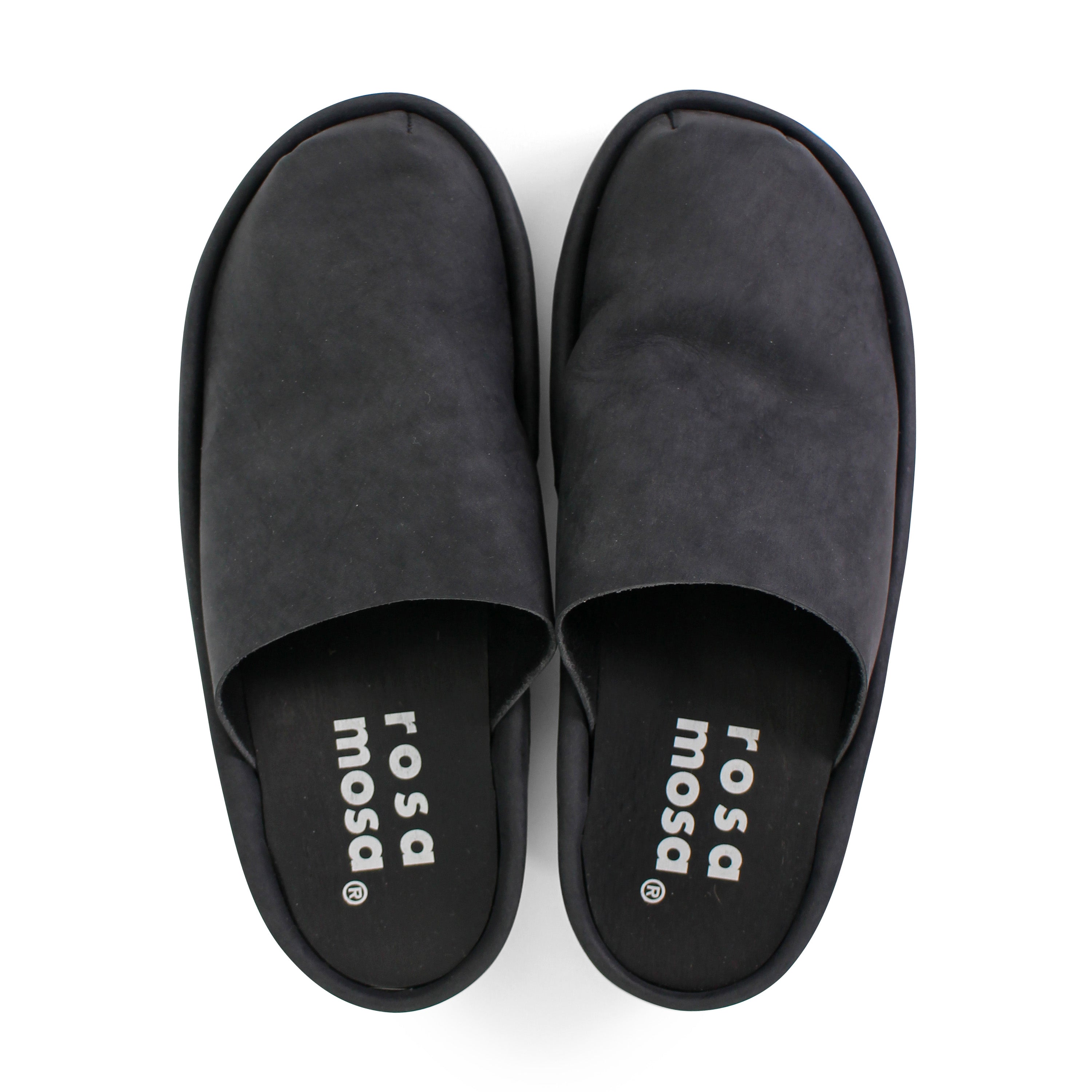
Our slippers, such as the Faux Fur Slippers in white, are designed for comfort but are much more than merely practical. These pieces demonstrate how everyday functionality can coexist with sculptural thinking, creating shoes that feel as good as they look.
Crochet and woven shoes
Crochet shoes, such as the Limited Edition Lenuta Cotton Crochet Shoes in nougat, introduce intricate, tactile surfaces into the collection: open structures that balance breathability with visual depth.
Woven shoes like our Net Panto Wool Woven Wool Clogs explore similar territory through different techniques, creating textured patterns that contrast with smooth materials while maintaining the same commitment to wearability. These pieces demonstrate how traditional textile methods can work together with contemporary forms, each pair carrying the unmistakable rhythm of handwork.
Unified design
Most styles throughout the collection are unisex, transcending traditional divisions in both material and form. We design shoes with the same sculptural approach, the same attention to detail, regardless of who wears them. Traditional methods meet contemporary, fashionable silhouettes—a balance that defines our workshops output. This philosophy extends across our entire shoe range: from the everyday versatility of loafers and slip-ons to the architectural presence of our clogs.
We also craft sandals and boots—each category receiving the same material-first attention and the same commitment to small-batch production in our Viennese workshop.
FAQs (Frequently Asked Questions)
Are clogs healthy for feet?
Clogs can be supportive when properly constructed. Our clogs feature wooden soles inserted with rubber for flexibility and cushioning, combined with welt stitches that allow the shoe to move naturally with your foot. The key is quality materials and craftsmanship rather than the clog style itself.
What are the most comfortable clogs?
Comfort depends on construction details. Our DONAU and PANTO clogs use wooden soles inserted with rubber that provide unexpected softness and flexibility, while vegetable-tanned leather molds to your foot over time. The combination of these materials creates clogs that improve over time and will feel more comfortable with each wear.
What is the difference between lace-up and slip-ons?
Lace-up shoes differ from slip-ons in their adjustability and construction. Lace-ups allow you to control fit and support through the lacing system, while slip-ons prioritize the ease of wear. Both have their place depending on use and preference.
What is the most comfortable slip-on shoe?
Comfort in slip-ons comes from proper fit and quality materials. Look for shoes with supportive construction, breathable materials and soles that provide cushioning. Our slip-ons maintain structure without sacrificing ease of wear.
How to care for vegetable-tanned leather shoes?
Vegetable-tanned leather develops character over time and requires minimal maintenance. Brush off dirt with a soft cloth, apply leather cream or wax occasionally to nourish the material, and allow shoes to dry naturally if they get wet—never near direct heat. The leather will darken beautifully with age.
Do leather shoes need breaking in?
Quality leather shoes typically require a brief breaking-in period as the material adapts to your foot shape. Vegetable-tanned leather is particularly responsive, molding gradually to create a custom fit. Wear your shoes for short periods initially, gradually increasing wear time as the leather softens and conforms.
Can vegetable-tanned leather get wet?
Vegetable-tanned leather can handle light moisture but shouldn't be soaked. If your shoes get wet, stuff them with newspaper and let them dry slowly at room temperature.
How do I know my size in handmade shoes?
Handmade shoes can fit differently than mass-produced footwear. We recommend referring to our size guide and measuring your feet if you're between sizes. Because our vegetable-tanned leather molds to your foot over time, the initial fit should be comfortable but can be slightly snug – the leather will stretch and adapt.
Where does the leather for our handmade shoes come from?
We use leather from Italy. You can find detailed information about the materials on our product pages.